
Are your website’s pages performing below expectations despite quality content? Many site owners struggle with poor organic rankings because they overlook a crucial SEO element: internal linking.
While you might focus on creating excellent content and building external links pointing to your site, a weak internal linking structure can severely limit your SEO success. The good news? A solid internal linking strategy can transform your site’s performance, boost rankings, and increase organic traffic significantly.
Definition and Importance of Internal Linking
Internal links are hyperlinks that connect different pages within the same website.
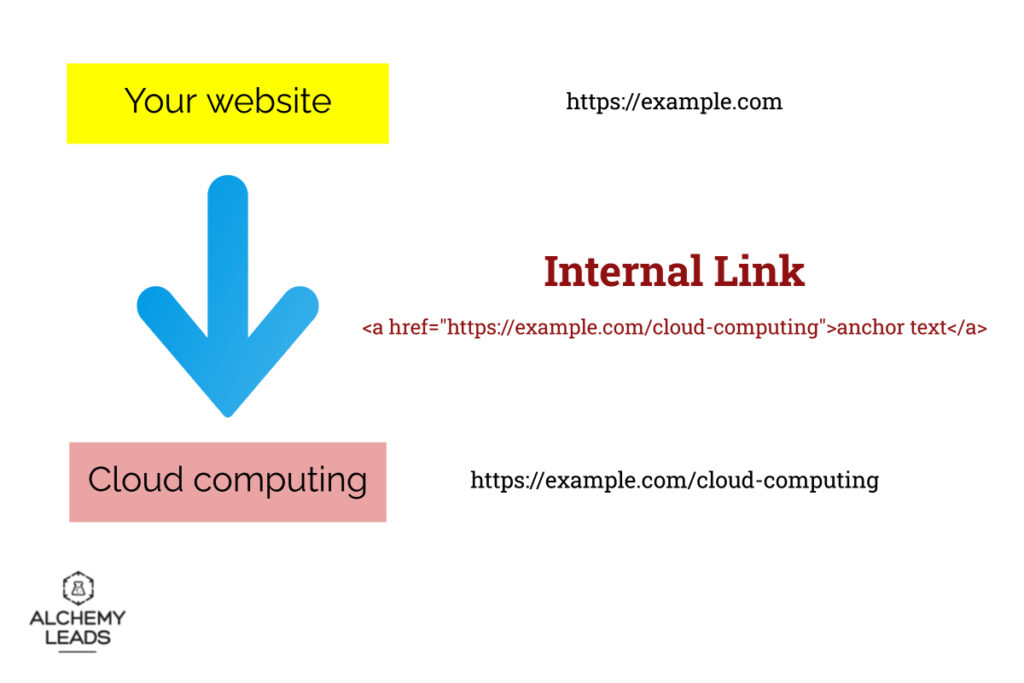
Unlike external links that point to other domains, internal links create pathways between your web pages, helping both users and search engine crawlers navigate your site effectively.
These connections serve multiple purposes beyond basic navigation – they distribute link equity, establish content hierarchies, and help search engines understand how different pages relate to each other.
Adding links strategically throughout your content affects how search engines interpret your site architecture.
When you internally link pages together, you’re signaling to Google and other search engines which content pieces are most valuable and how they connect thematically. This understanding directly influences your rankings and organic visibility.
The value of a strong internal linking structure extends beyond SEO benefits. When you implement internal linking best practices, users find relevant content more easily, spend more time on your site, and convert at higher rates.
By connecting related pages logically, you create better user experiences while simultaneously optimizing for search performance.
The Fundamentals of Internal Linking
Understanding the types of internal links is essential for developing a successful internal linking strategy. Three primary categories exist:
- Navigational links appear in your main menu, as well as footer links and sidebar navigation. These structural elements help users find important pages quickly and establish your site’s main hierarchical structure.
- Contextual links are placed naturally within your content, connecting relevant pages based on topic relationships. These in-content links carry significant link value because they provide additional context to both users and search engine crawlers.
- Utility links typically appear in headers or footers, pointing to pages like contact forms, privacy policies, or terms of service. While necessary, these links generally carry less SEO weight than contextual links.
Your anchor text choices significantly impact how Google understands the relationship between linked pages.
Instead of generic phrases like “click here,” opt for descriptive anchor text that accurately describes the linked page’s content. However, avoid over-optimizing using exact match anchor text too frequently, as this can appear manipulative to search engines.
Internal Linking and Topical Authority
Building topical authority requires a strategic approach to a solid internal linking structure.
This is achieved through effective topical mapping, which involves the creation of content clusters around main topics establishes relationships between other pages on your site.
Doing so successfully strengthens your site’s expertise in specific subject areas and allows Google to view your website as an authority in your niche, effectively improving its pages’ search rankings!
Start by identifying your primary topics which will be discussed in your pillar pages and creating comprehensive pillar content pages, also known as supporting articles. These authoritative pages serve as the foundation for your topic clusters, with supporting content linked back to them through contextual links.
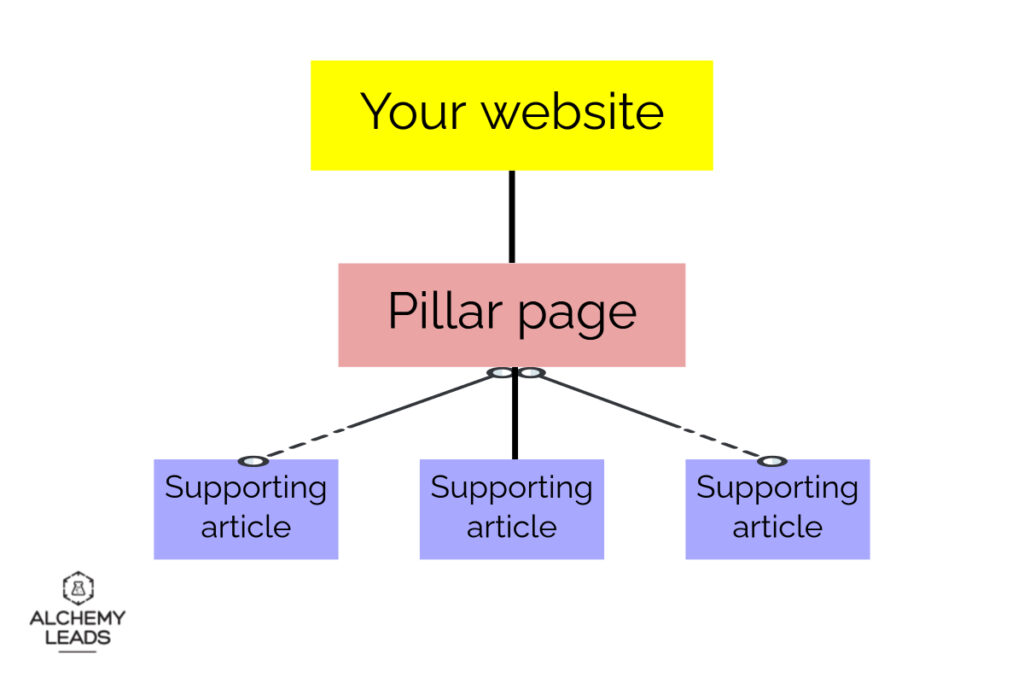
This internal links pointing to your pillar page from supporting articles and vice versa helps search engines recognize your site’s depth of expertise on particular subjects.
When building content clusters, focus on creating strong connections between related pages. Your high authority pages should link to supporting content that expands on specific aspects of the main topic. Similarly, these supporting pages should link back to the main topic page, creating a robust network of relevant content.
Consider how different pages relate to each other within your site structure. Rather than adding links randomly, think about the user’s journey and how each piece of content builds upon previous information. This thoughtful approach to internally linking pages helps both users and search engines better understand your content’s value and relationships.
Strategic Implementation of Internal Links
Successful implementation of internal linking starts with a thorough site audit. Using tools like Ahrefs Webmaster Tools, analyze your internal linking structure to identify opportunities and issues.
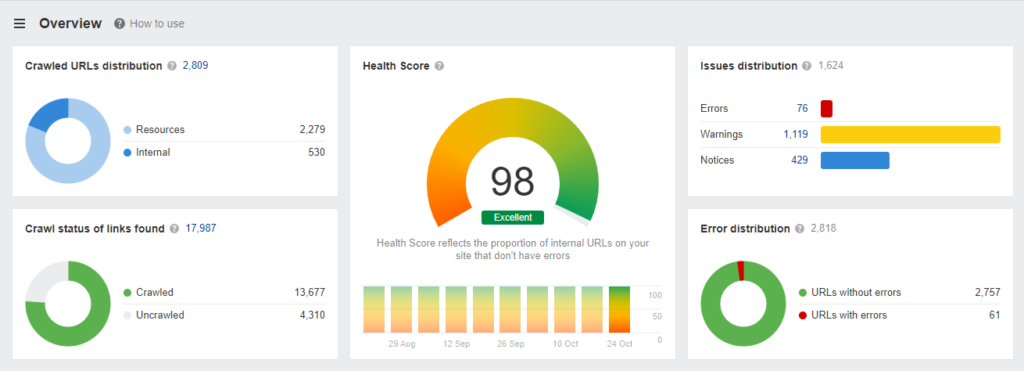
This assessment reveals orphan pages (those with few internal links or none), helps you understand how link equity flows through your site, and highlights improvement areas.
Other tools like Screaming Frog SEO Spider let you view a visual representation of your internal and external links.
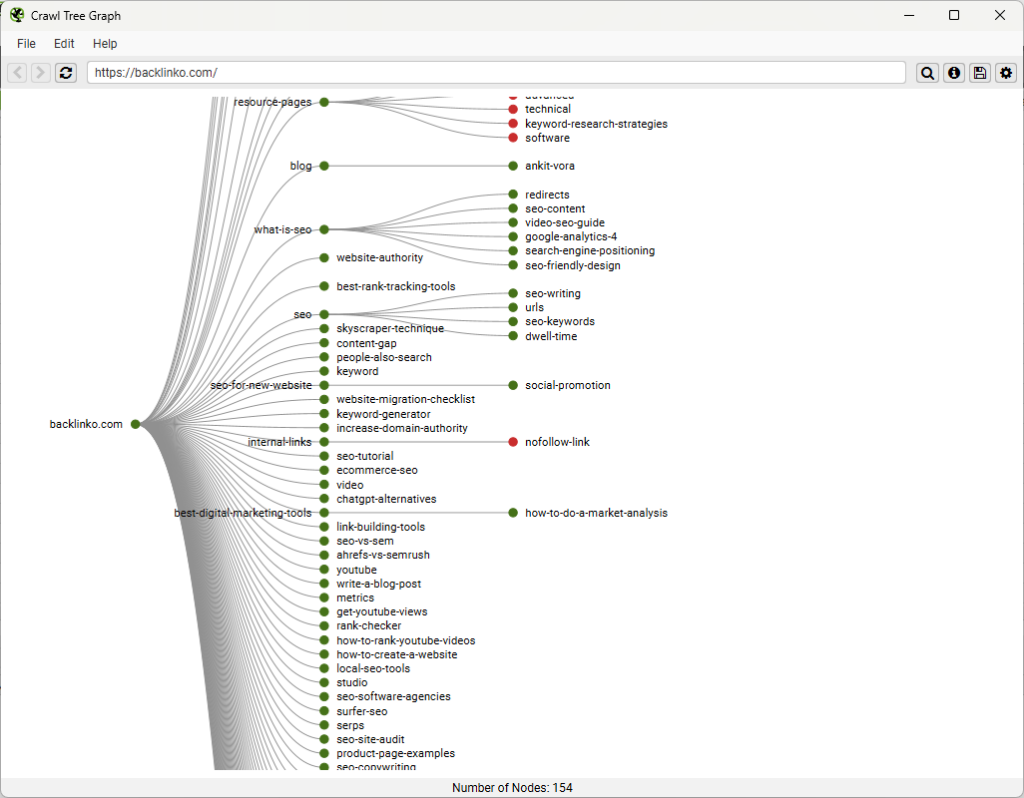
This allows you to better understand your site structure and make necessary changes as you see fit.
Creating a strategic internal linking plan requires careful consideration of your most important pages. These might include product pages, revenue-generating content, or key informational resources. Map out connections between these high authority pages and supporting content to ensure link equity flows efficiently to priority content.
To measure the impact of your internal linking efforts, track metrics such as:
- Page rankings for target keywords
- Organic traffic to linked pages
- Time users spend on your site
- Crawl frequency of important pages
Common Internal Linking Mistakes
Many site owners inadvertently undermine their SEO efforts through poor internal linking practices. Below are some that you need to take heed of:
Inconsistent Linking Patterns
This occurs when similar content types aren’t treated uniformly. For example, some blog posts might have numerous contextual links while others have none, creating an unbalanced link distribution.
Broken Links
As your site grows, pages may be removed or URLs changed, resulting in broken internal links that frustrate users and waste link equity. Regular checks using site audit tools help identify and fix broken links before they impact your SEO performance.
Lack of Anchor Text Diversity
The most fatal internal linking mistake is using the same anchor text across all website pages when linking to your page. Search engines deem this as unnatural and might penalize your site because of it.
To rectify this issue, use similar or related keywords as anchor text. Refer to the page’s keyword cluster and choose which search query to use as anchor text, allowing you to create a diversified and more organic interlinking strategy.
Conclusion
Implementing a strategic approach to internal linking represents one of the most powerful ways to improve your site’s SEO performance. By following internal linking best practices and avoiding common pitfalls, you can create a strong foundation for sustained organic growth.
Ready to take your SEO efforts to the next level? Our Topical Mapping Services can help you develop and implement a comprehensive internal linking strategy tailored to your specific needs. Our team of experts will:
- Conduct a thorough internal link audit
- Identify key opportunities for topical authority building
- Create customized linking strategies for your content
- Implement advanced internal linking techniques
- Monitor and optimize your internal linking structure
Don’t let poor internal linking hold back your SEO success. Contact us today to know how our expert Topical Mapping Services can help strengthen your site’s authority and improve your search engine rankings through strategic internal linking.
Suggested

How to Integrate HubSpot and Tripleseat: Lessons From 9 Builds
A step-by-step guide to connecting HubSpot and Tripleseat: forms, OAuth 2.0, field and stage mapping, multiple locations, documents and monitoring, with real lessons from nine production integrations.
October 4, 2026
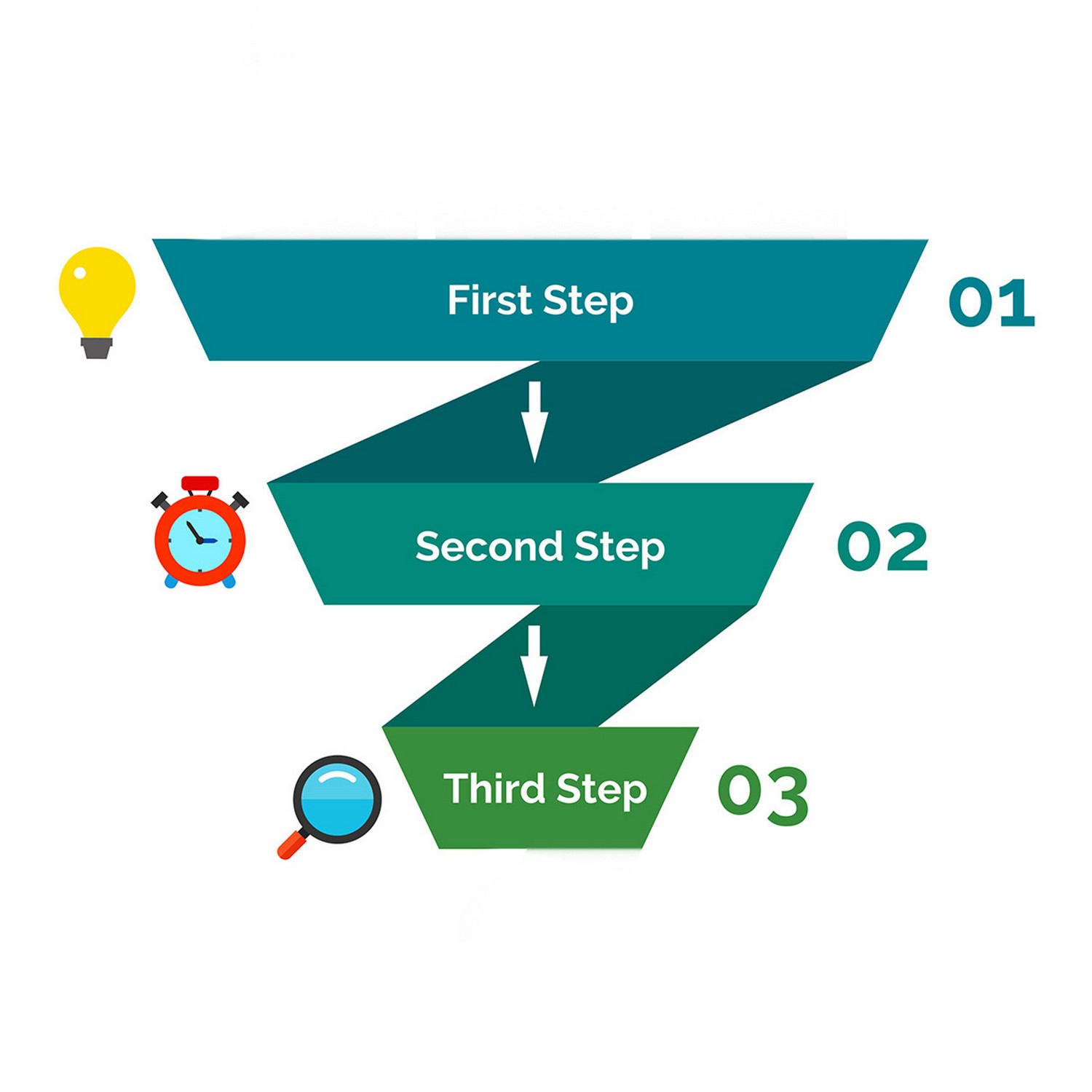
Answer-First Content: The Inverted Pyramid (∇) for AI Search
The inverted pyramid (∇) puts the answer first and the detail after. Here is how answer-first writing serves busy buyers and AI systems that quote short passages, with examples, common mistakes, and a checklist.
October 3, 2026
Retrieve-for-Train explained: how Google Research is speeding up AI search fan-out
Google Research’s Retrieve-for-Train method trains a small diffusion model to fan out search queries in one pass. Here is how it works, what it reports, where it stops, and our cautious read for brands.
October 3, 2026

AlchemyLeads Launches Free AI Visibility Checker That Shows Brands Whether ChatGPT and Google AI Recommend Them
The tool scores a website’s AI readiness, checks which AI crawlers can reach it, and runs real buying questions through AI answer engines to show which competitors get named instead. LOS ANGELES, Calif. — AlchemyLeads, an SEO and generative engine optimization (GEO) agency, today launched the AI Visibility Checker, a free tool that tells businesses whether AI assistants such as
September 25, 2026

The Future of Natural Language Processing, Machine Learning & what it Means for Your Digital Business
One of the most important things to know about in today’s market is the future of natural language processing and machine learning. If that sounds like Greek to you, don’t worry, we’ve got your back. Running a business today is significantly more complicated than it was in previous years. As a modern business owner, not only are you expected to
September 10, 2026
Contact us
We value your privacy and won't share your email with others.
We'll only contact you with curated content.
