
Is your website struggling to rank consistently, even though you’re investing heavily in search engine optimization (SEO)?
Many businesses create well-written content but fail to gain sustainable search engine rankings. This frustration often stems from a fundamental shift in search engine algorithms that many aren’t addressing: establishing topical authority.
In this guide, you’ll learn what this secret SEO sauce is about, proven strategies to build topical authority, increase your organic search rankings, and measure your progress effectively. Let’s get started!
What is Topical Authority?
Topical authority refers to a website’s expertise and credibility on a particular subject. It measures how well a website covers that topic, providing valuable and relevant information to users.
While domain authority refers to a website’s overall credibility and trustworthiness (based on the quality of its link profile), topical authority is specific to a particular subject or niche.
That said, a website can have high domain authority but low topical authority on a specific subject and vice versa.
For instance, a website with high domain authority may not necessarily have topical authority on a niche topic like fitness and nutrition. Conversely, a website with lower domain authority might excel in providing in-depth, high-quality content on fitness and nutrition, thereby establishing high topical authority in that area.
That’s why many people prioritize building their site’s topical authority—they don’t need tons of links to rank on Google!
All they need to do is create in-depth and comprehensive content about the topic at scale. The more expertly written pages and posts on the site’s topic are published, the higher its topical authority becomes.
The Foundation of Topical Authority
To achieve topical authority for your site, you must demonstrate comprehensive knowledge across relevant topics within your particular niche.
That means you need someone who knows the topic like the back of their hand to create content for your site. You can’t expect just any writer to create in-depth content that addresses user intent if they have zero knowledge and experience about the topic.
When building topical authority, however, you need to learn about topical mapping as well, which is the blueprint for achieving topical authority and ensuring topical relevance.
It involves systematically identifying and organizing content opportunities into pillar pages and supporting articles to demonstrate expertise in your niche.
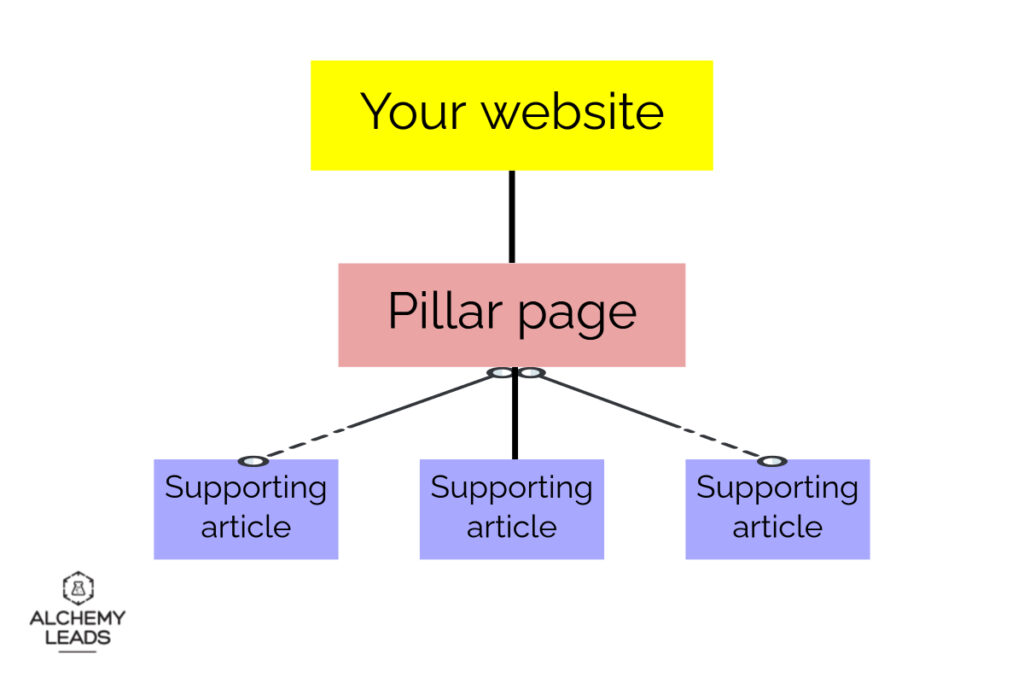
By mapping out related keywords and topics, you create a comprehensive plan that ensures thorough coverage of your subject matter.
For example, if you’re a digital marketing agency specializing in email marketing, you shouldn’t just create content about “email marketing tips.”
Instead, develop comprehensive resources covering everything from the best email marketing platforms to email templates for email marketing, ensuring you address all the keywords related to your niche.
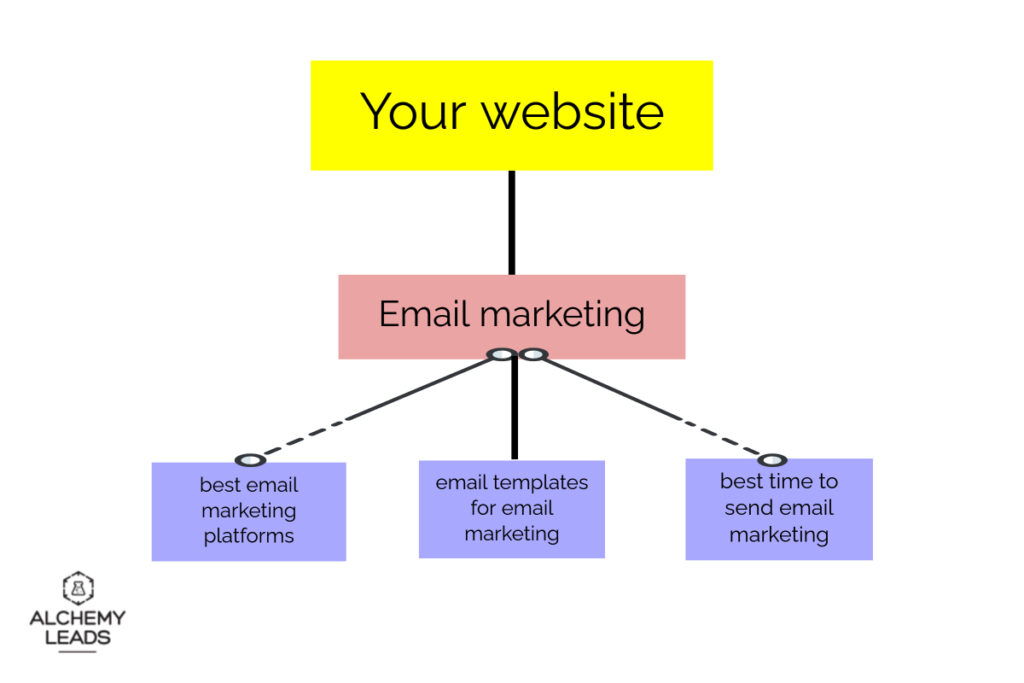
Creating in-depth content contributing to high topical authority can be deduced to the following:
- Thorough coverage of relevant subtopics
- Integration of topically related keywords
- Clear organizational structure with proper internal linking
- Regular content updates reflecting industry changes
- Demonstration of practical expertise through case studies and examples
Why is Topical Authority Important for SEO?
By building topical authority, a website can establish itself as an authority in a specific niche, thereby increasing its credibility and trustworthiness with search engines and users.
As a result, the site can improve its search engine rankings for related keywords and drive more traffic and conversions through relevant and valuable content.
When search engines recognize that your site consistently delivers comprehensive and high-quality content on a specific topic, they are likelier to rank your pages for related search queries. This, in turn, drives more organic traffic to your site and enhances your overall online presence.
Consider a website dedicated to fitness and nutrition. This site offers many in-depth articles, videos, and guides on various aspects of fitness and nutrition, such as workout routines, healthy recipes, and weight loss tips.
This example shows how establishing topical authority aligns with Google’s E-E-A-T, which is found in its official Search Quality Raters Guidelines.
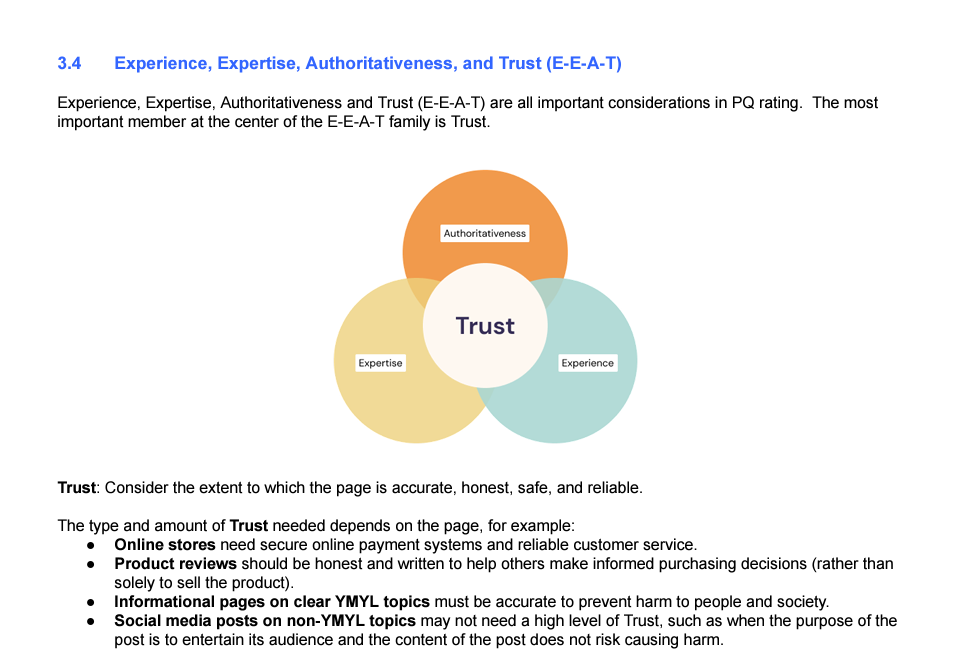
Your ability to showcase the four elements above in all the content you publish gives Google more reason to rank your pages at the top of search results for your target keywords.
Building Topical Authority as Part of Your Content Strategy
Now that you know topical authority’s value to your site, it’s time to integrate it into your content marketing efforts.
Consider a financial advisory firm targeting retirement planning. Their pillar page would comprehensively cover retirement planning fundamentals, while supporting pages would dive deep into specific aspects like 401(k) management, Social Security optimization, and estate planning.
To write supporting content effectively, perform keyword research focusing on topic clusters rather than isolated search terms. This approach helps identify related search queries that real users ask about your topic.
Use keyword research tools like SE Ranking to help you brainstorm keyword ideas for your pillar pages and supporting articles.
Start by searching for the target keyword on your pillar page. enter your seed keyword and look for related terms in the results.
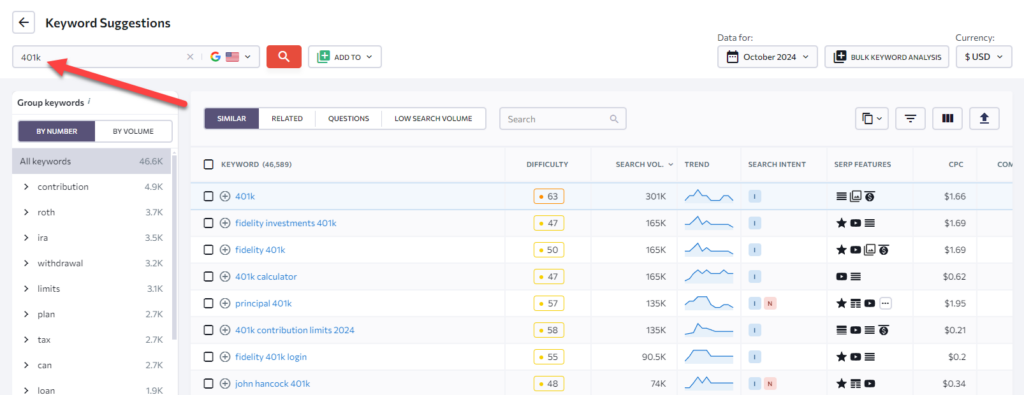
When choosing target keywords, ensure the pillar pages match search intent. If the keyword has a commercial intent, the pillar page should be a landing page encouraging visitors to convert into subscribers or clients.
For the supporting articles, check long-tail questions keywords related to your chosen target keyword. Use this
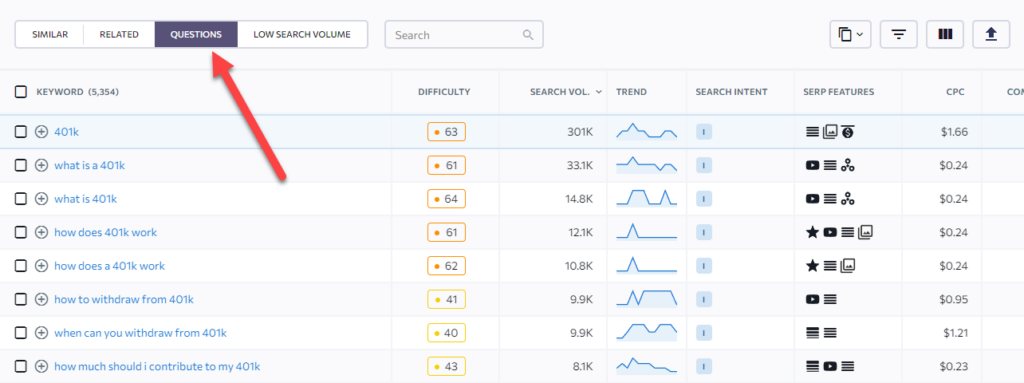
For instance, your retirement planning topic cluster might include content addressing questions about early retirement strategies, pension options, and investment diversification.
Strong internal linking between your pillar and supporting pages helps search engine crawlers understand the relationship between your content pieces.
There are many ways you approach your internal linking strategy, one of them being Kyle Roof’s reverse silo as diagrammed below:
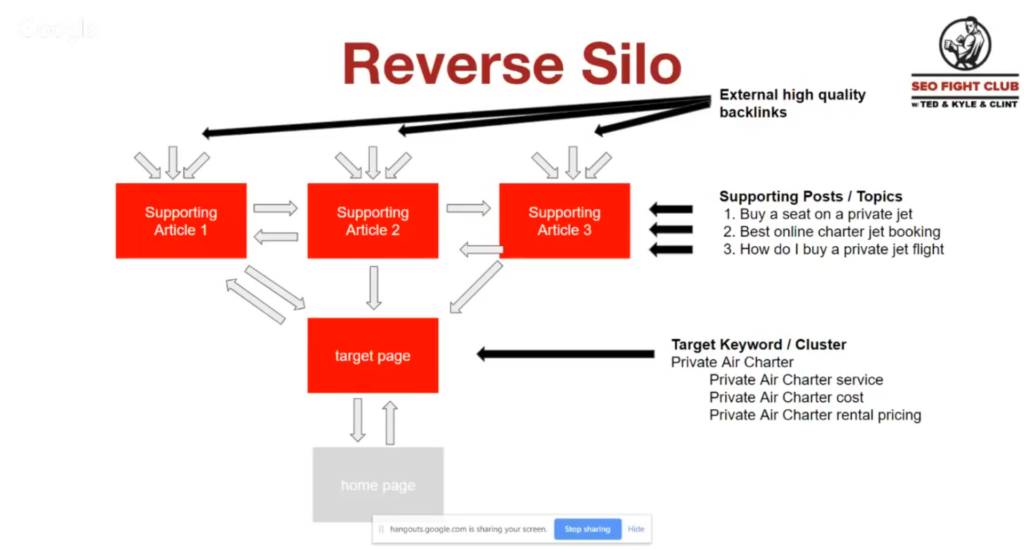
When developing this structure, ensure each piece of content serves a distinct purpose while contributing to your website’s topical authority in that area.
Creating high-quality, relevant content that enhances a website’s search-friendliness is crucial for building more topical authority.
Technical Implementation
Site structure plays a crucial role in supporting your topical authority strategy. Organize your content hierarchically, with pillar pages serving as central hubs that link to more specific supporting pages.
Then, link your pillar pages from your homepage or navigational menus for increased visibility!
This organization helps search engine crawlers understand the relationships between your content pieces while making it easier for users to navigate related information.
Another factor that explicitly defines relationships between content pieces and strengthens semantic SEO signals is schema markup integration.
You can create one for your page using a Schema Markup Generator or ask ChatGPT to generate a template that you can fill out later.
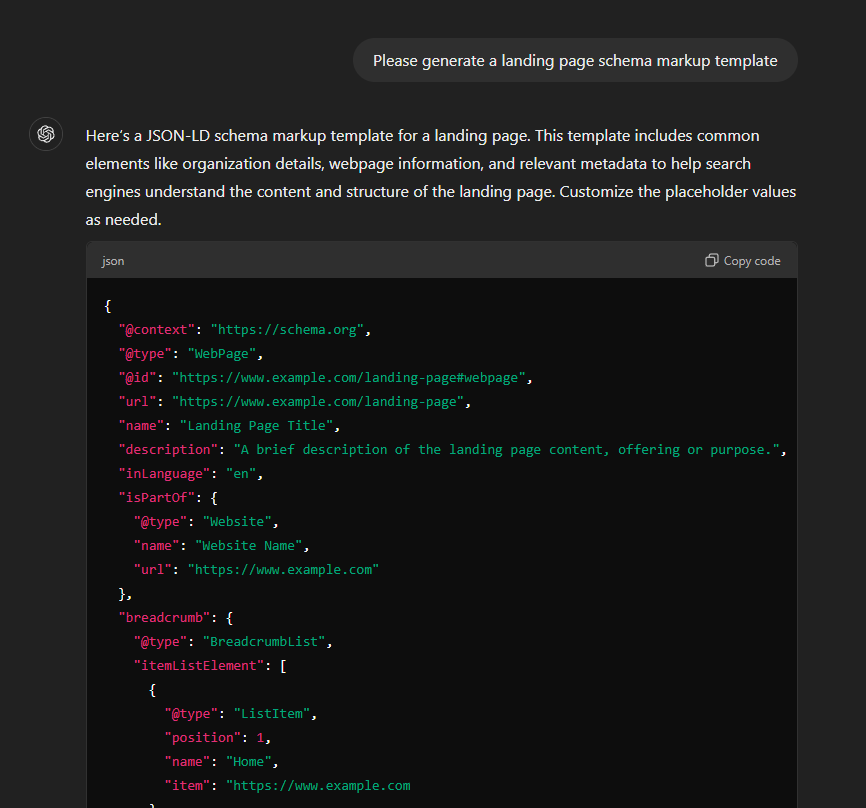
Then, add the code inside the page’s <head> section to help search engines better know what the page is about and how to rank it on search engine results pages (SERPs).
Finally, when planning your URL structure, maintain clear categorical organization that reflects your topic clusters. For example:
example.com/cloud-computing/ (pillar page)
example.com/cloud-computing/security/
example.com/cloud-computing/architecture/
Measuring Topical Authority for Search Engines
There is no one metric to measure topical authority. Instead, you must look at multiple key performance indicators (KPIs) to get a clear idea on how your topical authority is progressing over time. These metrics include:
- Topic cluster performance in search rankings
- User engagement metrics across related content
- The number and quality of websites linking to your resources
- Coverage breadth within your topic area
- Content freshness and update frequency
Start by monitoring organic traffic patterns across topic clusters rather than individual pages. This approach helps identify whether your content strategy effectively captures related search queries within your chosen topics.
A quick look at your Google Search Console for these pages should provide you an idea of their performance, whether they’re generating clicks and impressions or not.
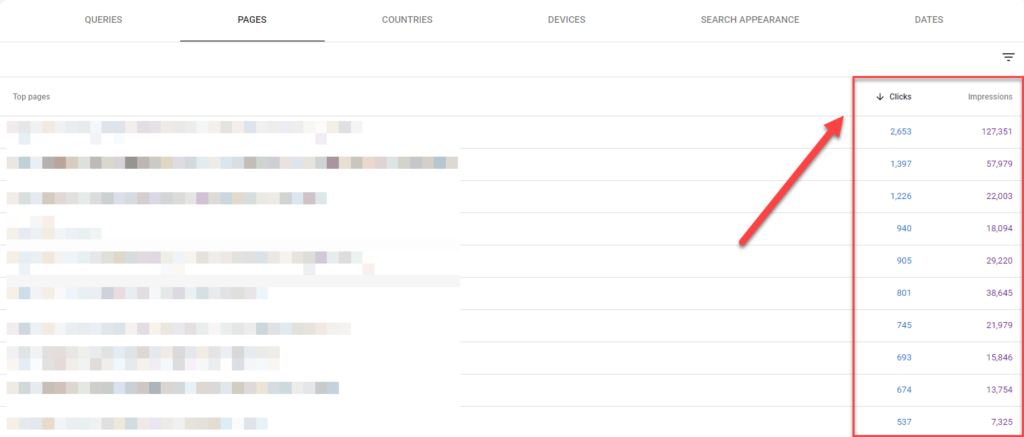
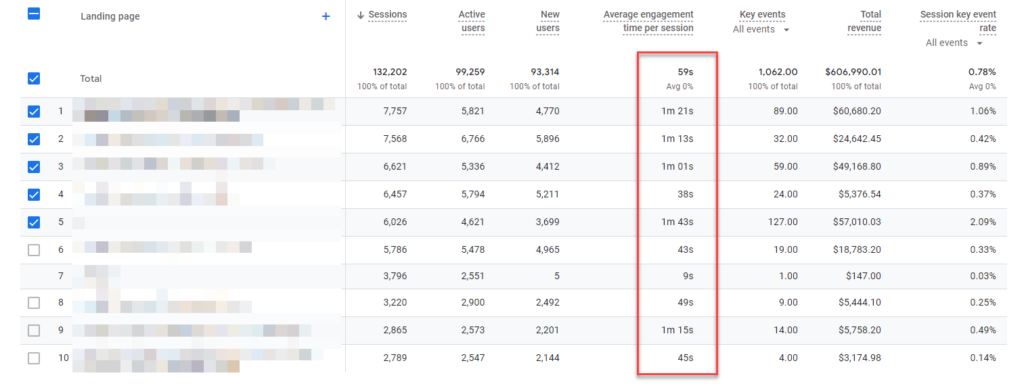
Also, check Google Analytics to monitor how visitors engage wih the page. This tool shows you how long people have stayed on the page, the bounce rate of each, and other factors to consider.
Conclusion
Building strong topical authority requires a strategic approach that combines thorough content planning, consistent quality, and technical optimization. As search engine algorithms continue to favor comprehensive topic coverage over isolated keyword targeting, establishing yourself as an authority in your particular niche becomes increasingly vital for sustainable SEO success.
Ready to accelerate your journey to becoming an authoritative voice in your industry? Our Topical Map Building Services can help you identify opportunities, plan your content strategy, and implement the technical foundation needed to achieve and maintain topical authority. We’ll analyze your current position, identify content gaps, and develop a customized roadmap that aligns with your business goals.
Take the first step toward stronger search performance, which is to establish topical authority. Contact us today to learn how we can help your business rank higher and capture more qualified traffic through strategic topic optimization.
Suggested
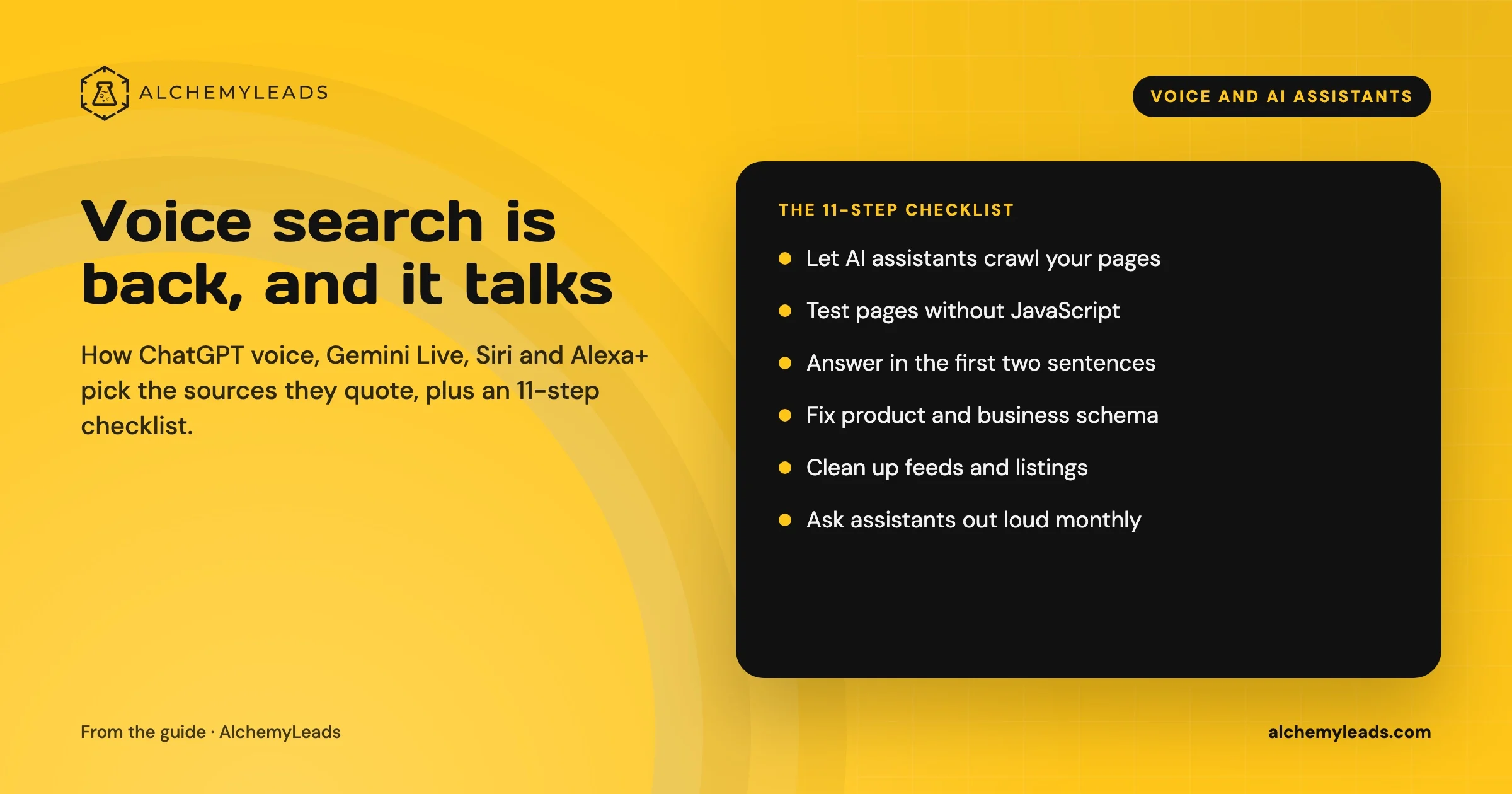
Voice Search in 2026: How AI Assistants Pick Their Sources
We first wrote about voice search in 2022, when the question was whether “Hey Siri” and “OK Google” would change how people shop. Four years later, voice is back in a bigger form. People now talk to ChatGPT, Gemini, Siri, Alexa+ and Copilot the way they talk to a knowledgeable friend, and those assistants answer by reading the web in
October 17, 2026
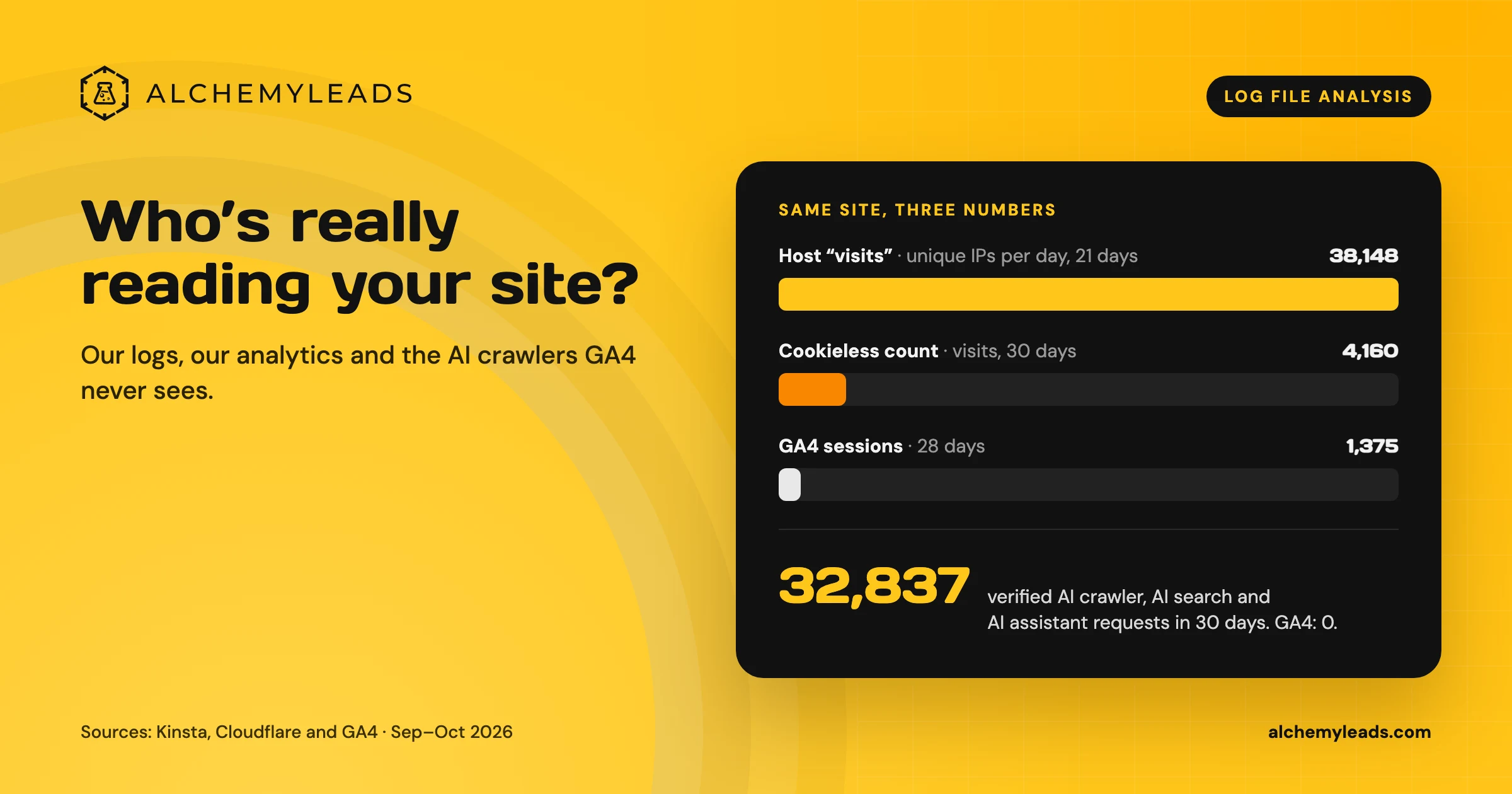
Log File Analysis for AI Search: Our Logs Showed 38,148 Visits. GA4 Showed 1,375.
Our host logged 38,148 visits. GA4 logged 1,375 sessions. We opened the server logs to see who was really there, and what AI crawlers read.
October 16, 2026
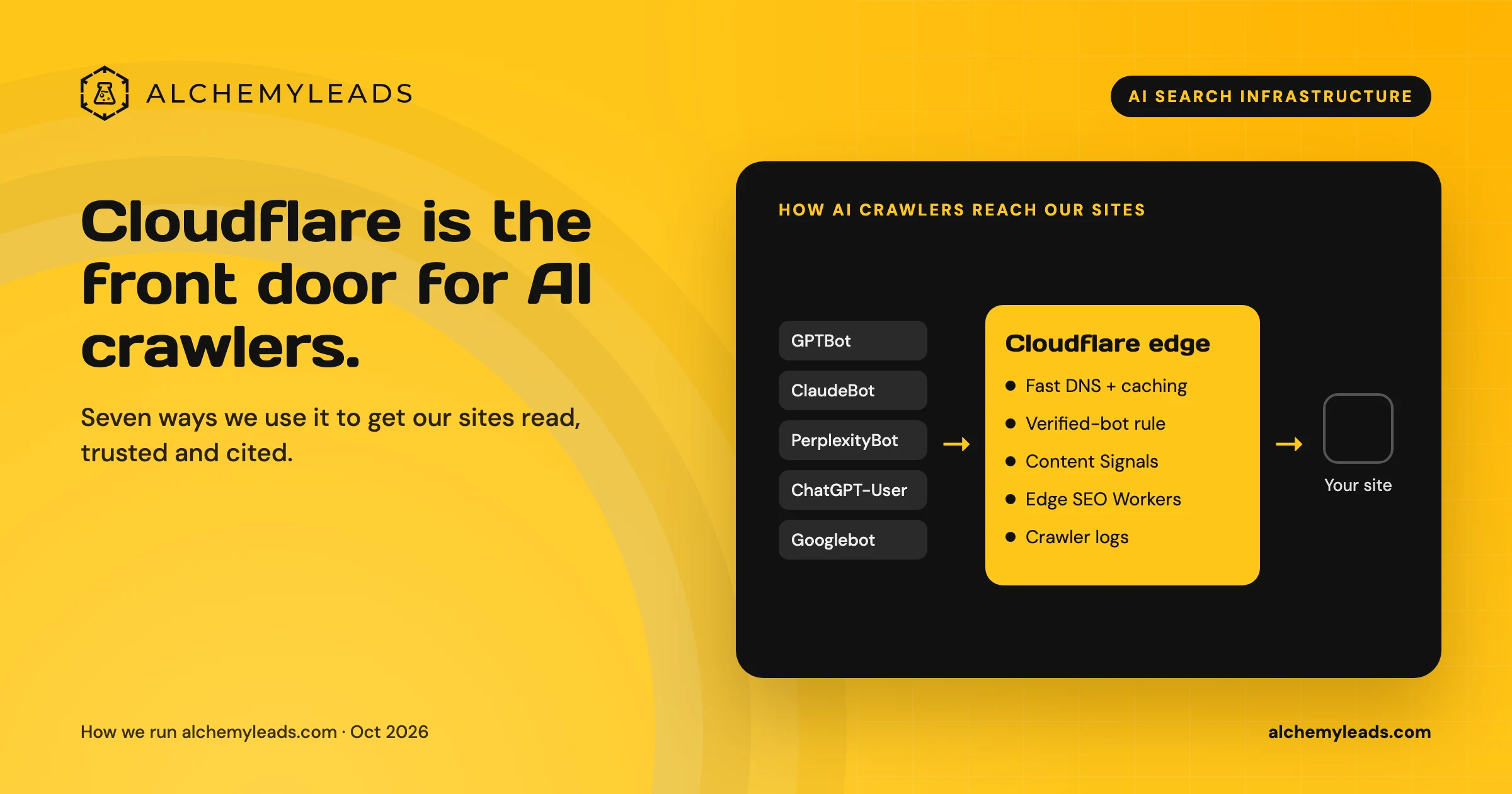
Why We Love Cloudflare for AI Search: 7 Ways We Use It for GEO and AEO
How we use Cloudflare DNS, bot rules, Content Signals and Workers to make our sites fast, crawlable and citable for ChatGPT, Claude and Perplexity.
October 16, 2026
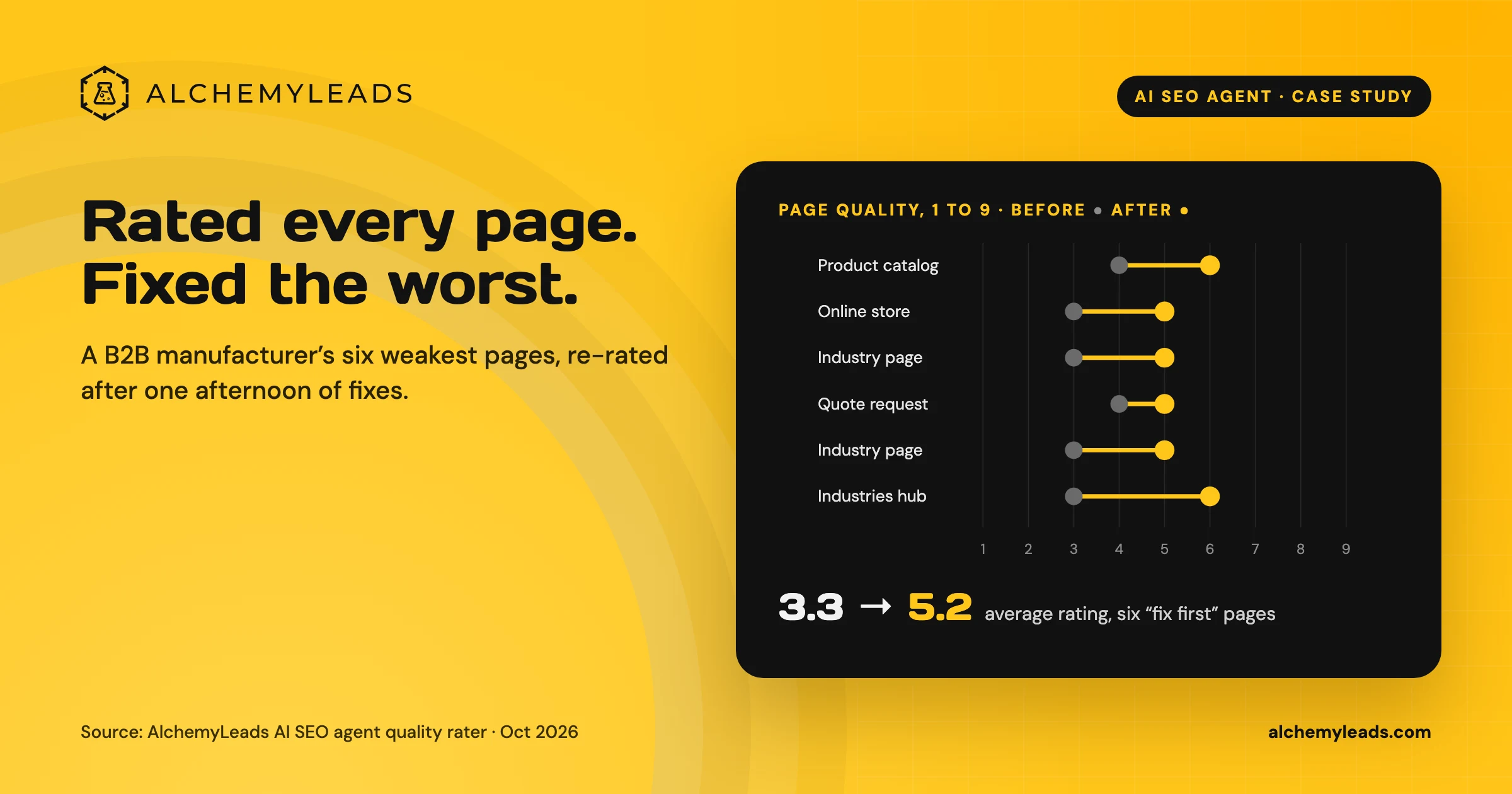
Our AI SEO Agent Rated Every Page on a Manufacturer’s Site, Then Fixed the Worst Ones in an Afternoon
Our AI SEO agent rated 40 pages of a B2B industrial equipment manufacturer’s site against a Quality Rater Guidelines-style rubric, joined the ratings to Search Console data, and lifted the six weakest pages from an average of 3.3 to 5.2 out of 9 in one afternoon.
October 16, 2026
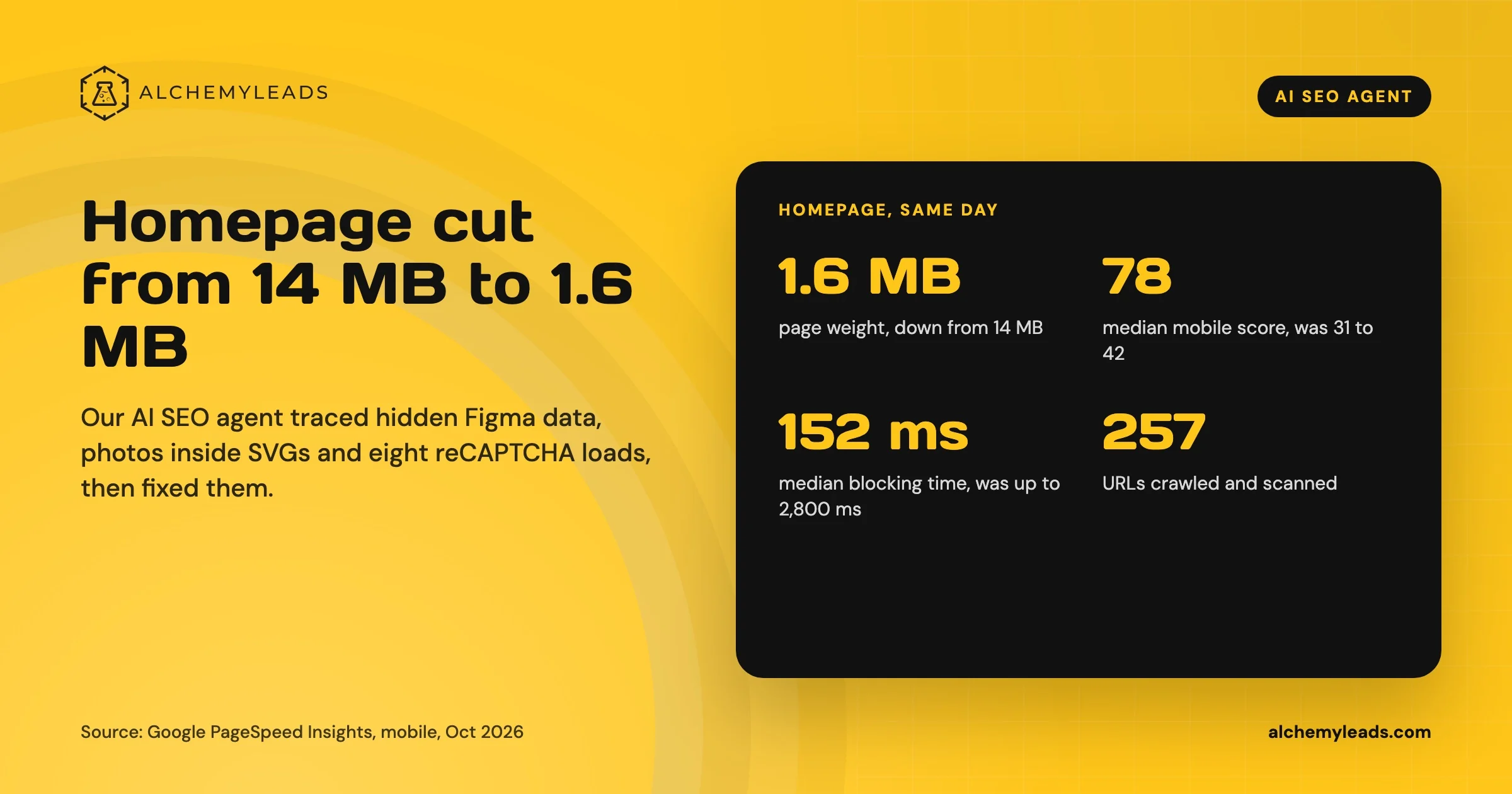
Our Homepage Went From 14 MB to 1.6 MB. Here’s What Our AI SEO Agent Found.
How our AI SEO agent cut our homepage from 14 MB to 1.6 MB: hidden Figma data, photos inside SVGs, a preloading video, eight reCAPTCHA loads, and the code behind each fix.
October 15, 2026
Contact us
We value your privacy and won't share your email with others.
We'll only contact you with curated content.
