
Online events have become the norm in recent months. Besides helping adhere to safety protocols in place due to the COVID-19 pandemic, online live events come with many benefits, including reduced costs, great networking opportunities, ease of access, and greater leads.
But truth be told. Holding a successful online event is not an easy task, especially if you are doing it for the first time. Luckily, you have come to this post. In the next 5 minutes or so, I shall give you ten tips on hosting a successful live event online.
Define your goals for the event
As with an offline event, you must be clear about your goals before you begin a live event online. What do you want to achieve after the event? Whether you are planning to hold an online conference, online trade show, online networking event, or any other event, having clear objectives will help make clear and informed decisions.
Timing is everything
The time you pick to hold your live event online will significantly determine its success. No matter the size of your event, do a little research before sending out invitations to your network.
For instance, holding your event when there are other competing events or on holiday might interfere with your attendance.
Times zones is another essential thing to consider, especially if you plan to go global. As a rule of thumb, pick a time that will accommodate as many people from your network as possible. Alternatively, make sure that the event’s content is available after live presentations for those who will not attend the live event. Another option will be to hold different online events for different time zones.
Select the best platform for your event
With the many software to hold live virtual events, choosing the right one can be daunting. When deciding on the best platform to host your online event, pay much attention to your audience and the devices they might be using. Also, you must consider the type of event you are holding; is it a corporate event or gathering among friends. What about data security? Choose a platform that meets your security and safety requirements.
Video conferencing is one of the reliable and easy ways to connect with your network and hold online meetings and events. If you decide to go this way, Shindig.com will come in handy. Among other things, Shindig allows users to text privately with one another and the presenter to see all participants’ videos.
Prepare for tech issues
No matter what platform you choose for your virtual event, it is crucial to set everything ready before the attendees show up. Here are things to do before you start the live event online:
- Check your internet connection to ensure it is fast and strong
- Let your guest test their connection as well
- Prepare backups of visuals and presentations in case something goes wrong
- Rehearse if possible
The thing is, you need to identify the problems beforehand so you can get solutions faster. If possible, prepare an easy to follow guides for your guest if they encounter any tech problems.
Promote the event
No one will attend your virtual event if they don’t know it is happening. That’s why you need to promote and market your event. When promoting your online event, let your potential attendees know what to expect from the event. Who will be the keynote speaker(s)? Is it an opportunity to network or learn a skill?
Sharing the event details on social media or email is an excellent way to market your upcoming live virtual event. You can also run ads but ensure to be strategic and choose the right format.
Specifically, here’s how you can promote an online live event:
- Run a countdown about your upcoming virtual event on Facebook and Instagram stories
- Create an event page on Facebook
- Choose the right influencers to promote your upcoming online live event. Keynote speakers can become great event ambassadors if you provide them with the right details.
- Run ads targeting potential attendees
- Take advantage of SEO-friendly keywords for optimization
- Share the event hashtag on social media platforms like Twitter to drive a conversation
After you have got enough people to sign up for your event, it shouldn’t end there. It’s imperative to remind people that the event is still on. After all, people can easily forget about your event due to the many events happening nowadays. Reminding people that your online live event is happening will increase their chances of turning up.
Involve attendees during the live event
Having great content to present to your audience in a virtual event is great but not enough. You need to find ways to engage and involve your audience to take your event to a whole new level. After all, your audience can easily get distracted during the live event online.
You can make your audience feel engaged in a virtual event by providing them with things to do. Moreover, you need to provide interactive elements to involve your audience in your online event. To that end, here are top online event audience engagement ideas you may want to try:
- Live and pre-event polling
- Allow your audience to interact with each other during the live event through chats
- Social media contest
- Encourage live discussions and tweeting
- Virtual event bags
- Give shoutouts and mention people who share your virtual event
- Hire entertainers for your audience
- Go mobile to reach more attendees
Make the event inclusive and accessible
As with in-person events, you need to use clear language in your presentations. Also, it is good to use large fonts, and high color contrasts to ensure that no touchpoints are missed. Providing captions and visuals for audio or descriptions for visuals will make your presentations make more sense to the event attendees.
Also, ensure your panel of experts represents a diverse range of voices for inclusivity purposes.

Young Asia businesswoman using laptop talk to colleague about plan in video call meeting while work from home at living room. Self-isolation, social distancing, quarantine for corona virus prevention.
Make your event relevant
Although this might seem obvious, it is worth a mention. When you organize an event, whether in-person or virtual, it is essential to ensure that your content is relevant and actionable. Setting your goals and defining your target audience is a good place to start, but it shouldn’t end there.
If you share tips or solutions in your presentations, ensure that they are relevant and applicable within the current business environment. Of course, this doesn’t mean that every virtual event should be about the pandemic and how to navigate its challenges. It only means that you should be aware of the common challenges your audience is going through due to the pandemic and give relevant and actionable solutions.
Ensure your event is unique
A common mistake that event hosts make when holding their events is to copy what others are doing, hoping to remain current. This is a huge mistake and will affect the success of your online event.
Instead of copying what others are doing, find ways to differentiate your online event from other events. The best way to do this is to learn more about your audience, the challenges they face and find the best solutions to those problems. Go the extra mile to create super-customized solutions for your audience. This way, people can relate to your event and find it more resourceful.

Create summaries of the event
Some of your attendees may miss the event due to various reasons. In that case, it is essential to record your event for those who might have missed the live event but were looking forward to it.
In fact, this is something you need to keep in mind when choosing a hosting platform for your online live event. Ensure that the hosting software you choose supports live broadcasting recording for later viewing.
These are the tops tips to help you hold a successful live event online. With research, guidance, and the right resources, you can hold an impactful virtual event beneficial to you and your attendees.
Suggested

Revenue First SEO
The New SEO Approach for Ecommerce Growth Rising CPCs. Saturated ad platforms. Customer acquisition costs climbing quarter after quarter. For ecommerce and B2B brands, the math on paid media keeps getting harder. And the question more marketing leaders are asking: where does organic search fit into a sustainable growth strategy? Our Founder & CEO addressed many of these questions
February 24, 2026

HubSpot TripleSeat Integration
HubSpot TripleSeat integration solves a major problem for event venues and hospitality businesses. Most companies lose track of where their leads come from when forms bypass their marketing system, or they lose track of invoices and sales pipeline when sales tools are siloed. This breaks the connection between ad spend and actual bookings. The result? Wasted marketing budgets and poor
February 23, 2026

B2B Facebook Ads: Ultimate Marketing Strategy
Despite Facebook’s popularity as one of the best advertising platforms, many B2B businesses still hold back from advertising on Facebook. According to Statista, 91% of B2C marketers run Facebook ads, while 86% of B2B marketers use LinkedIn. This post will examine why some B2B marketers avoid Facebook ads, their effectiveness, and how to create winning B2B Facebook ads. An Overview
February 23, 2026
How To Create Win Back Customer Segments in Shopify
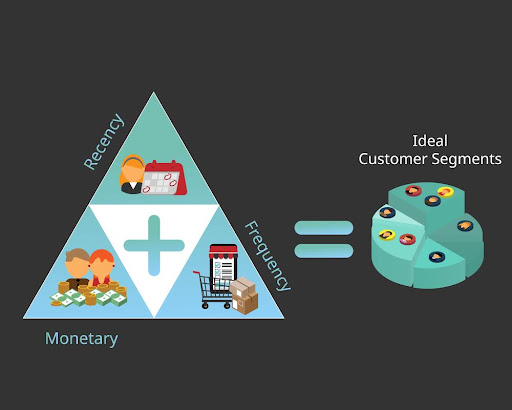
Here’s the thing about ecommerce: you spend a fortune acquiring customers, and then they ghost you. No explanation. No goodbye. Just radio silence. The good news? Most haven’t sworn off your brand forever. They’re just distracted. And bringing them back costs way less than finding new customers (we’re talking 5x cheaper). This guide shows you exactly how to create win-back
February 23, 2026

Query Fan Out for GEO: AI-First Search Optimization
Query fan out drives significant improvements in search visibility for businesses that implement it correctly. This AI search technique expands single queries into 5-15 related searches behind the scenes. Traditional SEO targets individual keywords. Smart businesses now dominate entire topic clusters through query fan-out tactics. This guide shows you the exact methods we use to help clients capture traffic they
February 23, 2026
Contact us
We value your privacy and won't share your email with others.
We'll only contact you with curated content.
