
The New SEO Approach for Ecommerce Growth
Rising CPCs. Saturated ad platforms. Customer acquisition costs climbing quarter after quarter.
For ecommerce and B2B brands, the math on paid media keeps getting harder. And the question more marketing leaders are asking: where does organic search fit into a sustainable growth strategy? Our Founder & CEO addressed many of these questions in a recent interview with DesignRush.
AlchemyLeads recently announced its answer. The Good SEO® approach puts revenue outcomes at the center of every SEO decision.
“Our goal is to give eCommerce companies a consistent process that improves search visibility and supports long-term revenue stability,” said Sean Chaudhary, CEO of AlchemyLeads. “Unifying our technical, content, and earned media work under one system allows clients to see how each component contributes to measurable outcomes.”
Simply put, it’s about treating organic search as a predictable growth channel that delivers returns you can measure.
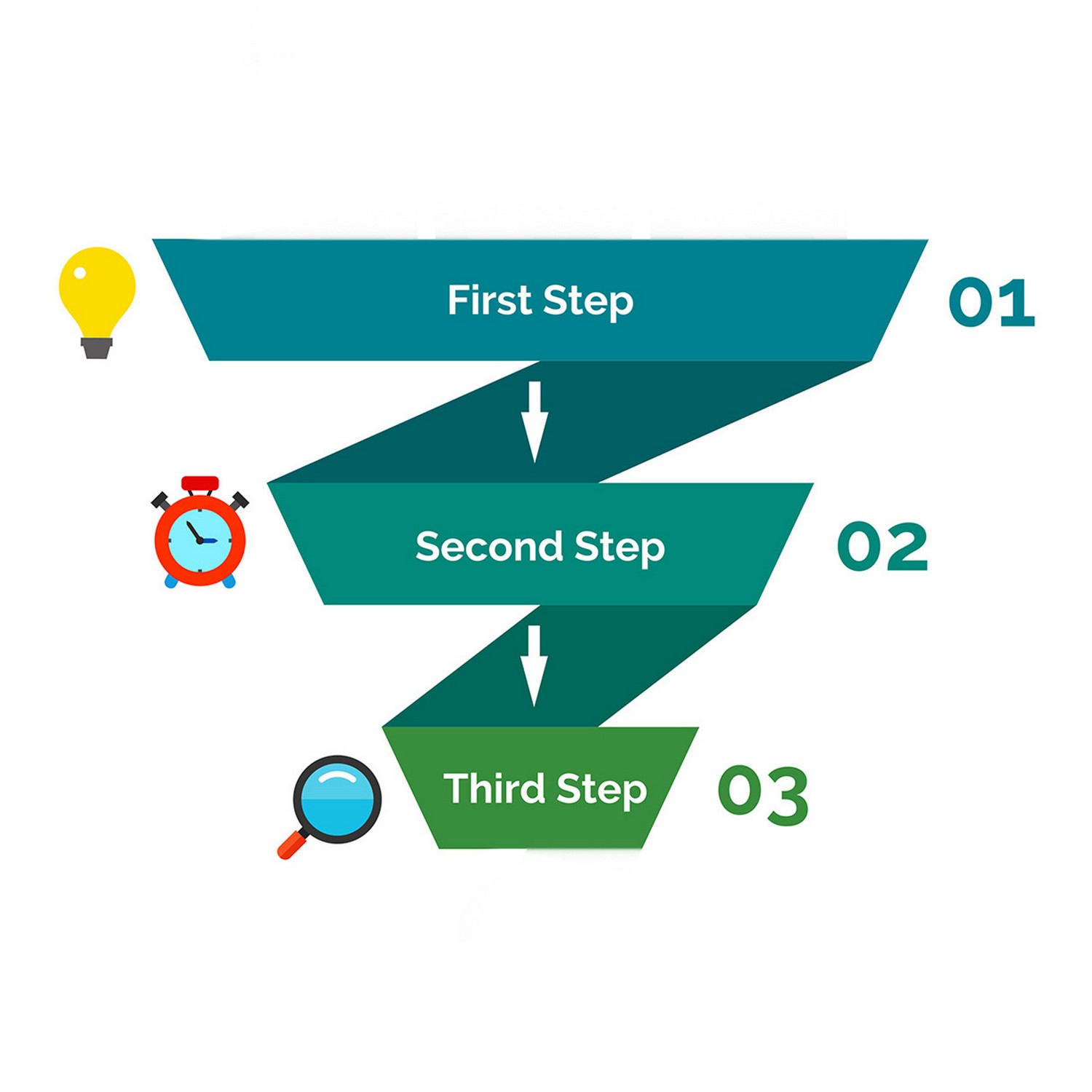
So what does that look like in practice? The Good SEO® approach breaks down into three phases, each one building on the last.

Phase I: Revenue First and Risk Mitigation
Most brands can’t afford to wait 12 months for SEO to “kick in.” Bills need paying now. That’s why Phase I focuses on protecting revenue during the transition from paid-heavy to organic-driven growth.
The work starts with high-intent keywords that already convert through paid campaigns. Technical fixes come next: site speed, mobile UX, crawlability. Anything that affects conversion gets priority. When combining SEO and PPC strategies, brands bridge the gap between immediate revenue needs and long-term organic growth.
The outcome? Lower dependency on paid spend over time, with revenue protected during the shift.
Phase II: Authority Engine
With the foundation set and paid pressure reduced, the focus shifts to building lasting visibility.
Search engines reward brands they see as category leaders. Phase II is about earning that status through content depth and external validation. Teams build content around core topics using pillar-cluster models, then secure authoritative backlinks through editorial digital PR. This is how brands develop topical authority that competitors struggle to replicate.
The payoff shows up in improved rankings for competitive terms, stronger domain authority, and higher trust signals from Google.
Phase III: ROI Attribution and Iteration
Here’s where most SEO programs fall apart. They launch, run for a few months, and then stall out. Nobody can prove what’s working, so budgets get questioned and momentum dies.
Phase III solves this with continuous measurement. Monthly performance reviews tie rankings and traffic to actual revenue. Resources get reallocated to top performers. Calculating the ROI on SEO becomes straightforward when you have clear attribution in place.
The result is a repeatable system that scales with business growth and delivers clear proof of ROI.
Why Revenue-First SEO Matters Now
The problem with most SEO programs isn’t effort. It’s focus. Too many campaigns optimize for traffic without connecting that traffic to business outcomes, and the pattern plays out the same way every time. Vanity metrics pile up, dashboards look impressive, and revenue stays flat.
Revenue-first SEO changes the equation. Every technical fix, every piece of content, every link earned gets measured against one standard: did it move the revenue needle?
For ecommerce brands dealing with rising ad costs and shrinking margins, this approach offers a path to sustainable, predictable growth. The brands that figure this out now will have a serious advantage over competitors still renting all their traffic from ad platforms.
About AlchemyLeads
AlchemyLeads is a search marketing agency specializing in SEO, content development, digital PR, and technical optimization for ecommerce and B2B companies. The agency was recently featured on DesignRush’s Best Video Designs for “The Revenue Potion” campaign.
Ready to see how revenue-first SEO works for your business? Get in touch.
Suggested

How to Integrate HubSpot and Tripleseat: Lessons From 9 Builds
A step-by-step guide to connecting HubSpot and Tripleseat: forms, OAuth 2.0, field and stage mapping, multiple locations, documents and monitoring, with real lessons from nine production integrations.
October 4, 2026
Answer-First Content: The Inverted Pyramid (∇) for AI Search
The inverted pyramid (∇) puts the answer first and the detail after. Here is how answer-first writing serves busy buyers and AI systems that quote short passages, with examples, common mistakes, and a checklist.
October 3, 2026

Retrieve-for-Train explained: how Google Research is speeding up AI search fan-out
Google Research’s Retrieve-for-Train method trains a small diffusion model to fan out search queries in one pass. Here is how it works, what it reports, where it stops, and our cautious read for brands.
October 3, 2026

AlchemyLeads Launches Free AI Visibility Checker That Shows Brands Whether ChatGPT and Google AI Recommend Them
The tool scores a website’s AI readiness, checks which AI crawlers can reach it, and runs real buying questions through AI answer engines to show which competitors get named instead. LOS ANGELES, Calif. — AlchemyLeads, an SEO and generative engine optimization (GEO) agency, today launched the AI Visibility Checker, a free tool that tells businesses whether AI assistants such as
September 25, 2026

The Future of Natural Language Processing, Machine Learning & what it Means for Your Digital Business
One of the most important things to know about in today’s market is the future of natural language processing and machine learning. If that sounds like Greek to you, don’t worry, we’ve got your back. Running a business today is significantly more complicated than it was in previous years. As a modern business owner, not only are you expected to
September 10, 2026
Contact us
We value your privacy and won't share your email with others.
We'll only contact you with curated content.
