
Query fan out drives significant improvements in search visibility for businesses that implement it correctly. This AI search technique expands single queries into 5-15 related searches behind the scenes. Traditional SEO targets individual keywords. Smart businesses now dominate entire topic clusters through query fan-out tactics.
This guide shows you the exact methods we use to help clients capture traffic they never knew existed. You’ll see proven techniques and step-by-step implementation that delivers measurable ROI based on industry research and authoritative sources.
Key Takeaways
- Query fan-out transforms single searches into multiple related sub-queries that AI systems process simultaneously. This means your content must answer the main question plus likely follow-up questions to capture maximum visibility.
- Different AI platforms handle query expansion differently, with Google focusing on commercial intent while ChatGPT emphasizes conversational patterns. Success requires creating content that performs across all major AI search systems.
- Technical implementation through schema markup, site architecture, and content formatting directly impacts your query fan-out performance. Businesses typically see measurable improvements within 90 days of proper implementation.
Query Fan-Out Expands Single Searches Into 5-15 Related Queries
Query fan out transforms how Google’s AI Mode processes searches. When someone types “best digital marketing agency,” AI systems don’t just look for those exact words. Instead, they create multiple related searches and run them simultaneously.
The large language model Gemini powers this process for Google Search. It breaks your original query into semantic pieces. Then it maps what users typically want to know about that topic. Finally, it runs 5-15 sub-queries in parallel across the web index, Knowledge Graph, Google Shopping, and Google Maps.
Here’s what happens with “best digital marketing agency”:
- Digital marketing agency reviews 2025
- B2B vs B2C marketing services pricing
- Local marketing agencies near me
- Marketing agency ROI case studies
- Content marketing vs PPC specialists
- Full-service agency pricing models
- Marketing agency client testimonials
- Digital marketing contract terms
- Agency vs in-house marketing costs
- Marketing agency onboarding process
Google’s AI Mode runs all these searches at once. Then it combines results into comprehensive AI responses. This process gives users complete answers instead of single-page results.
The system triggers fan-out for complex queries. Simple searches like “weather today” don’t need expansion. But multi-concept queries with 7+ words activate the process. Commercial intent searches almost always trigger query fan out.
Sundar Pichai announced these changes at Google I/O. The company shifted from delivering links to providing complete answers. According to multiple research studies, AI Overviews now appear for approximately 13-20% of searches, with the percentage continuing to climb throughout 2025, showing how important this technique has become.
This affects your business directly. Content that only targets primary keywords misses related traffic. Query fan-out tactics help you capture searches you didn’t know people were making. Our predictive SEO and machine learning approach identifies these hidden opportunities.
The technical process uses semantic understanding and user behavior patterns. AI systems analyze inferred themes and create sub-queries based on what people typically search for next. This creates more accurate user intent matching than traditional search methods.
3 Platforms Handle Query Fan-Out Differently
Different AI search platforms use unique approaches to query expansion. Knowing these differences helps you create content that performs across all systems.
Google’s AI Mode uses custom Gemini 2.0 models for simultaneous sub-query processing. The system analyzes user intent and creates 5-12 related searches focused on commercial intent. Google Shopping integration means product-related queries get expanded with pricing, reviews, and comparison searches.
OpenAI’s ChatGPT takes a conversational approach. It generates query expansions when search is enabled, with users entering shorter prompts averaging 4.2 words compared to 23 words without search according to Semrush research. The system focuses on follow-up questions someone might ask in a chat. This creates different expansion patterns than Google’s commercial focus.
Perplexity AI creates multiple sub-queries with strong academic source preferences. It pulls from research papers and authoritative publications more than commercial content. The platform cross-references information across multiple sources before presenting results.
Here’s how they compare in practice:
| Platform | Query Expansion Pattern | Focus Area | Key Features |
| Google AI Mode | Multiple sub-queries per search (typically 2-5 according to research data) | Commercial intent focus drives expansion |
|
| ChatGPT Search | Query expansions when search enabled (46% of queries use web search feature) | Conversational follow-ups drive expansion |
|
| Perplexity AI | Multiple related searches created | Multi-source citation approach |
|
The business impact varies by platform. Content optimized for Google’s commercial focus shows better visibility in AI Mode according to industry research. But the same content might underperform in ChatGPT’s conversational system.
User behavior patterns differ across platforms, too. Google users often have purchase intent. ChatGPT users want detailed explanations. Perplexity users seek authoritative information with citations.
This means your content strategy needs multimodal input considerations. Create sections that serve informational queries for ChatGPT. Add commercial elements that trigger Google Shopping integration. Include authoritative references that Perplexity values.

Companies that master query fan-out tactics across multiple platforms gain sustainable competitive advantages. Our B2B SEO approach focuses on this multi-platform visibility through proven advanced SEO strategy guide implementation methods.
Complete Query Fan-Out Content Tactics That Drive Results
Building content for query fan out requires a different approach than traditional SEO tactics. You need to think about all the related questions someone might have about your topic.
Start with sub-query anticipation. Look at People Also Ask sections for your main keywords. Check Google Trends for related search patterns. Use Answer The People to find question-based queries that often become AI search expansions.
Your content architecture should cover multiple search intents. Create H2 headers that target primary sub-queries. Add H3 sections for related questions. Include FAQ sections that address long-tail variations people actually search for.
Entity-based content planning works well for AI search systems. Identify your core entities like brand names, products, or services. Then map related entities like competitors, alternatives, and complements. Cover attribute entities such as features, benefits, and specific use cases.
The key is thorough coverage without keyword stuffing. AI systems detect when content tries to game rankings with artificial topic clusters. Instead, focus on natural connections between related topics that serve real user needs.

Building topical authority requires consistent coverage of your subject area. Create content clusters that answer sub-topics in depth. Link related pieces together to show semantic connections and thematic search patterns.
Smart content clustering avoids these common mistakes:
- Don’t stuff keywords throughout your content – AI systems penalize this
- Quality matters more than quantity for content length
- Avoid creating artificial connections between unrelated topics
- Don’t ignore user behavior patterns when planning content

The best approach follows semantic SEO principles. Write naturally about your topic while covering related concepts. Use structured data systems to help AI understand your content organization.
Modern AI-driven search looks for high-context content that serves user needs completely. Your content should answer the main question plus likely follow-up questions. This approach aligns with how query fan out systems actually work in real-time systems.
Brand topics coverage becomes more important than individual keyword targeting. Think about all the ways someone might search for solutions in your industry. Then create content that addresses those needs comprehensively.
3 Technical Requirements That Boost Query Fan-Out Performance
Technical implementation supports your content tactics for query fan out success. The right technical setup can double your visibility in AI search results.
Requirement 1: Smart Schema Markup Implementation
FAQ schema for SEO works particularly well for query expansion. It tells search engines which questions your content answers. This increases chances of appearing in AI responses for related sub-queries.
Here’s FAQ schema code that works:
{
“@context”: “https://schema.org”,
“@type”: “FAQPage”,
“mainEntity”: [{
“@type”: “Question”,
“name”: “How does query fan out improve search visibility?”,
“acceptedAnswer”: {
“@type”: “Answer”,
“text”: “Query fan out expands single searches into 5-15 related queries, helping your content appear for searches you never directly targeted.”
}
}]
}
Article schema provides better content understanding for AI systems. It helps identify your main topic and supporting points. How-to schema works well for process-based queries that often trigger fan-out.
Requirement 2: AI Crawler Performance Tuning
Page load speed affects how AI systems crawl your content. Core Web Vitals impact mobile-first indexing and AI search visibility. Target under 2.5 seconds for Largest Contentful Paint.
Content formatting matters for AI parsing. Use short paragraphs under 50 words. Add bullet points for key information. Keep sentences under 20 words when possible. AI systems process structured information more accurately.

Internal linking for SEO creates semantic connections between related topics. Link to relevant pages using descriptive anchor text. This helps AI systems understand your content relationships and topic clusters.
Requirement 3: Topic Cluster Architecture

Site architecture should support query expansion patterns. Use pillar pages as hub content that links to specific sub-topics. Create clear content hierarchies with logical navigation paths.
Content base organization affects AI system comprehension. Group related topics together. Use consistent URL structures. Implement breadcrumb navigation that shows content relationships.
Content audit processes help identify technical issues. Review your existing pages for schema markup gaps. Check that AI systems can access and parse your content correctly. Test page speed on mobile devices where most AI searches happen.
Technical validation includes structured data testing. Use Google’s Rich Results Test for schema markup. Check Search Console for crawling errors. Monitor Core Web Vitals scores monthly.
These technical requirements work together to improve AI search performance. Industry research suggests that proper technical implementation significantly improves results compared to basic setups.
Measuring Query Fan-Out Success With Data That Matters
Measuring success in query fan out requires different metrics than traditional search ranking. The data that matters focuses on AI search performance and business impact.
Primary Success Metrics
AI search citation tracking shows how often your content appears in AI responses across platforms. Monitor mentions in Google AI Overviews, ChatGPT responses, and Perplexity citations. This metric directly correlates with query fan-out success.
Sub-query visibility monitoring tracks your performance for related search terms. Look for increases in impressions for keywords you didn’t directly target. This indicates successful fan-out coverage of your topic cluster.
Query fan-out traffic quality focuses on user engagement from AI sources. Check time on page and conversion rates for AI-driven traffic. Users coming from thorough AI responses often show higher purchase intent.
Brand mention frequency in AI responses indicates topical authority. Monitor how often AI systems cite your brand for industry topics. This metric connects directly to calculating SEO ROI from query fan-out tactics.
Tools for Query Fan-Out Tracking
Free tools provide valuable insights for query expansion research. Google Search Console shows performance data for related queries you rank for. Look for unexpected keyword impressions that indicate successful fan-out coverage.
Answer The People reveals question-based queries around your topics. These often become sub-queries in AI search systems. Google Trends shows related search patterns over time and seasonal variations.
Premium platforms offer advanced query fan-out tracking features. Surfer SEO provides content improvement for query clusters at $89 per month. Frase creates AI-powered content briefs for thorough topic coverage at $45 monthly.
Custom Tracking Setup
Google Analytics 4 configuration helps track AI traffic sources. Create events for different AI platform referrals. Set up Search Console API monitoring for automated query tracking across your content base.
User-generated content monitoring reveals how people discuss your topics. Check social platforms and forums for question patterns. These often predict future AI search expansions.
Content performance analysis should compare traditional vs AI-driven metrics. Track which content pieces appear most often in AI citations. Identify patterns in successful fan-out coverage.
Most businesses see measurable improvements within 90 days. Full results typically appear after 6 months of consistent query fan-out implementation across their content.
Ready to master query fan-out tactics for your business? Our team specializes in AI-first SEO services that deliver measurable results. We help businesses achieve significant improvements in search visibility through proven methods.
Query Fan-Out Questions Answered With Data
How do I identify potential sub-queries for fan-out improvement?
Use People Also Ask sections and Related Searches on Google. Check Answer The People for question-based queries. Monitor Google Search Console for unexpected keyword impressions. Study competitor content that appears in AI responses for pattern identification.
Which AI search platforms use query fan-out techniques?
Google’s AI Mode uses advanced fan-out through Gemini models. OpenAI’s ChatGPT expands queries conversationally through Deep Search. Perplexity AI creates academic-focused sub-queries. Microsoft’s Bing Chat also uses query expansion with Azure integration.
How do I measure query fan-out improvement success?
Track AI search citations across platforms. Monitor sub-query visibility for related terms. Measure user engagement from AI-driven traffic. Use brand mention frequency in AI responses as authority indicators. Industry data shows significant improvements are possible within 6 months.
Suggested
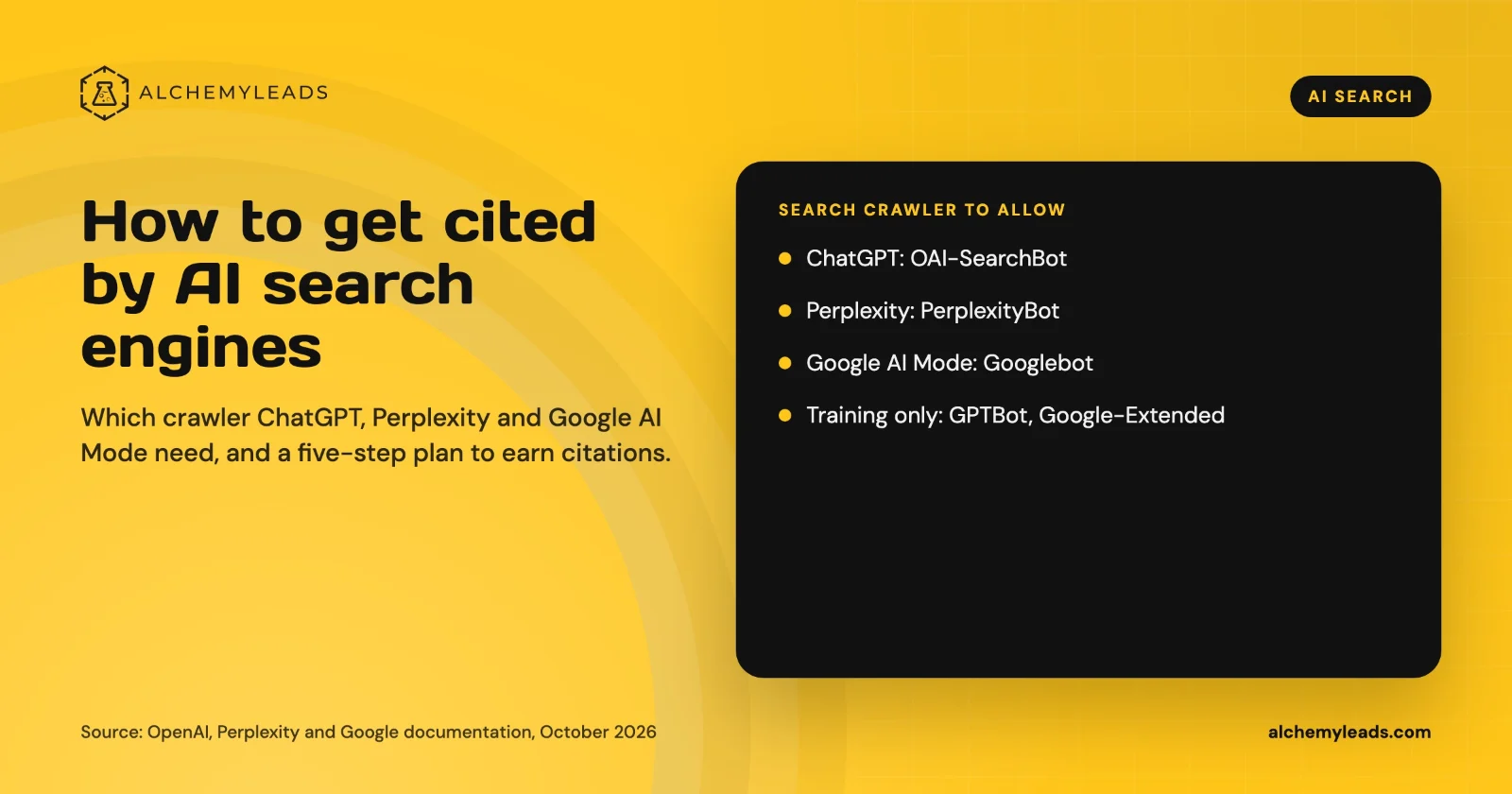
How to Get Cited by ChatGPT, Perplexity and Google AI Mode
How ChatGPT, Perplexity and Google AI Mode choose sources, which crawlers to allow, and a five-step plan to get your company cited, based on official docs.
October 26, 2026
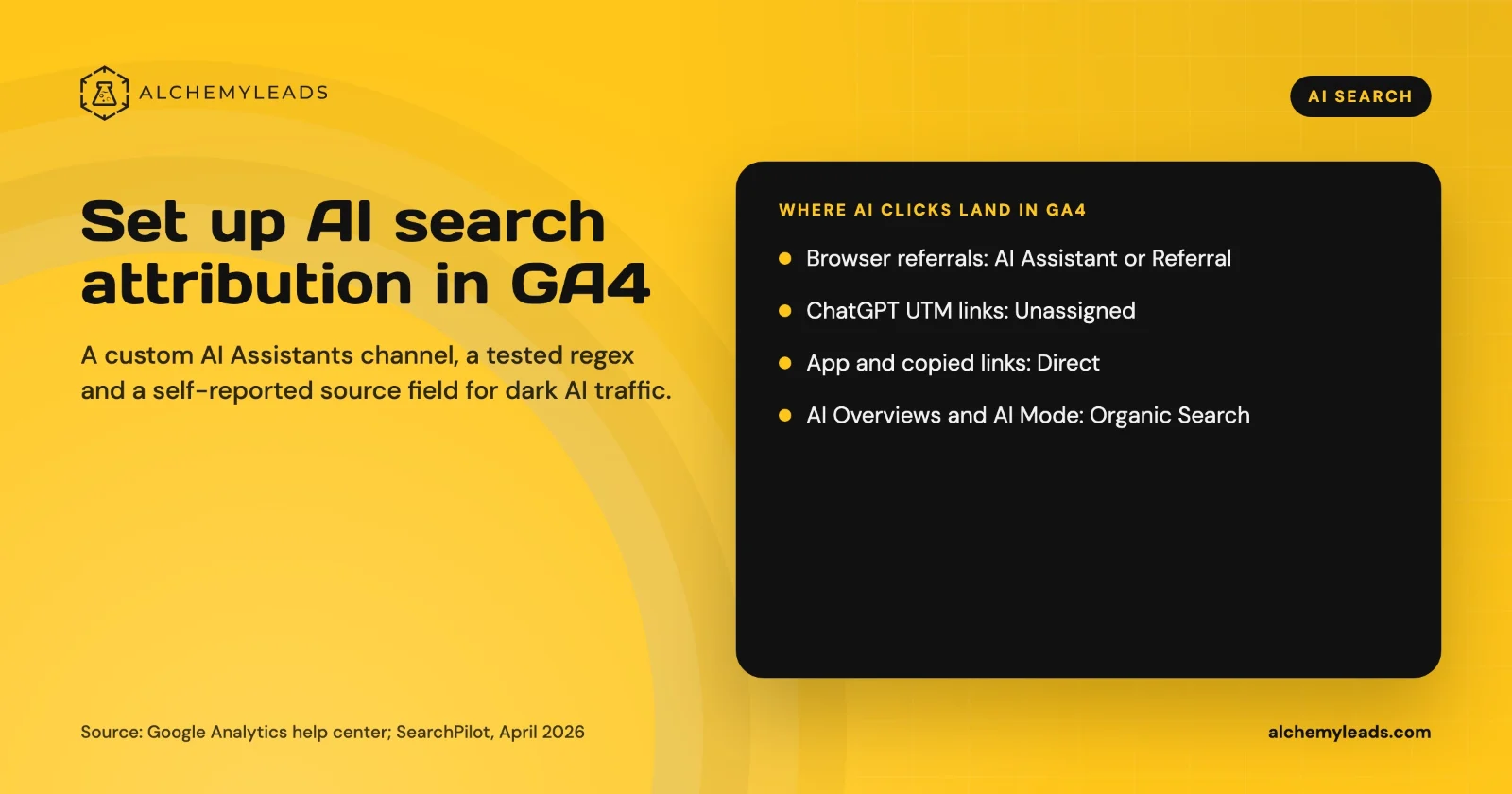
How to Set Up AI Search Attribution in GA4: A Step-by-Step Guide for 2026
Step-by-step GA4 setup for AI search attribution: an AI Assistants channel, a copy-paste regex, ChatGPT UTM fixes and a self-reported AI source field.
October 26, 2026
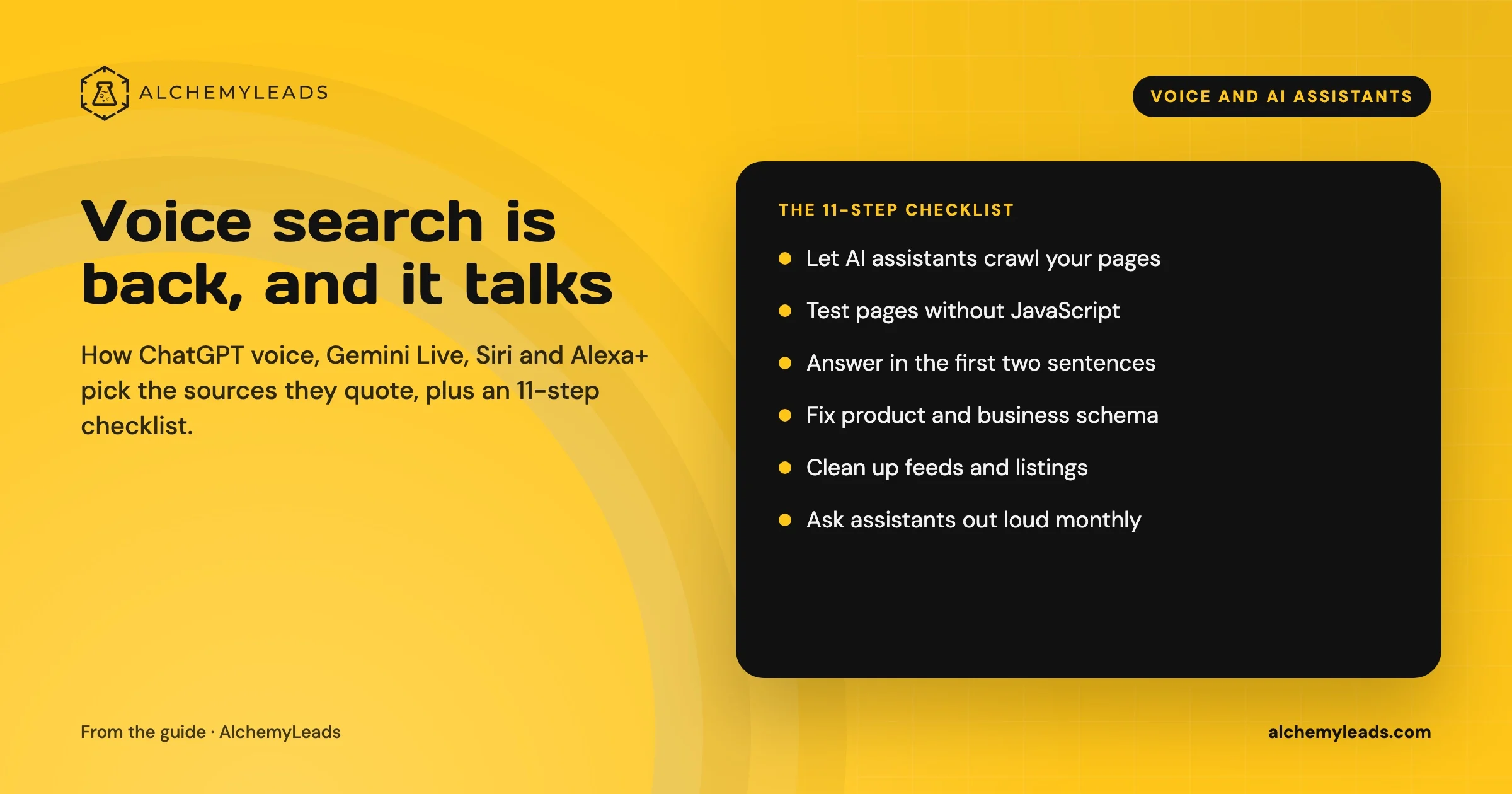
Voice Search in 2026: How AI Assistants Pick Their Sources
We first wrote about voice search in 2022, when the question was whether “Hey Siri” and “OK Google” would change how people shop. Four years later, voice is back in a bigger form. People now talk to ChatGPT, Gemini, Siri, Alexa+ and Copilot the way they talk to a knowledgeable friend, and those assistants answer by reading the web in
October 17, 2026
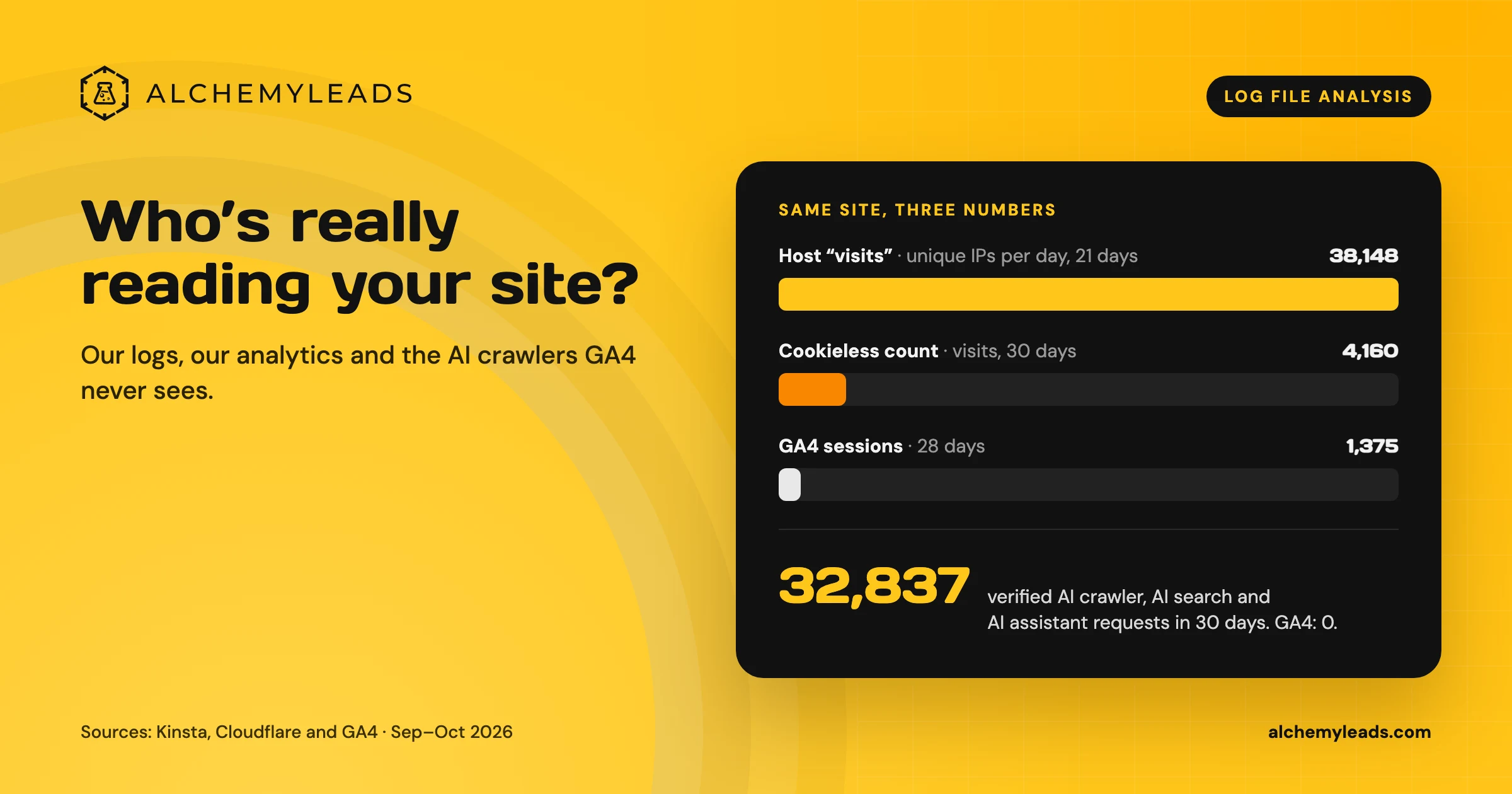
Log File Analysis for AI Search: Our Logs Showed 38,148 Visits. GA4 Showed 1,375.
Our host logged 38,148 visits. GA4 logged 1,375 sessions. We opened the server logs to see who was really there, and what AI crawlers read.
October 16, 2026
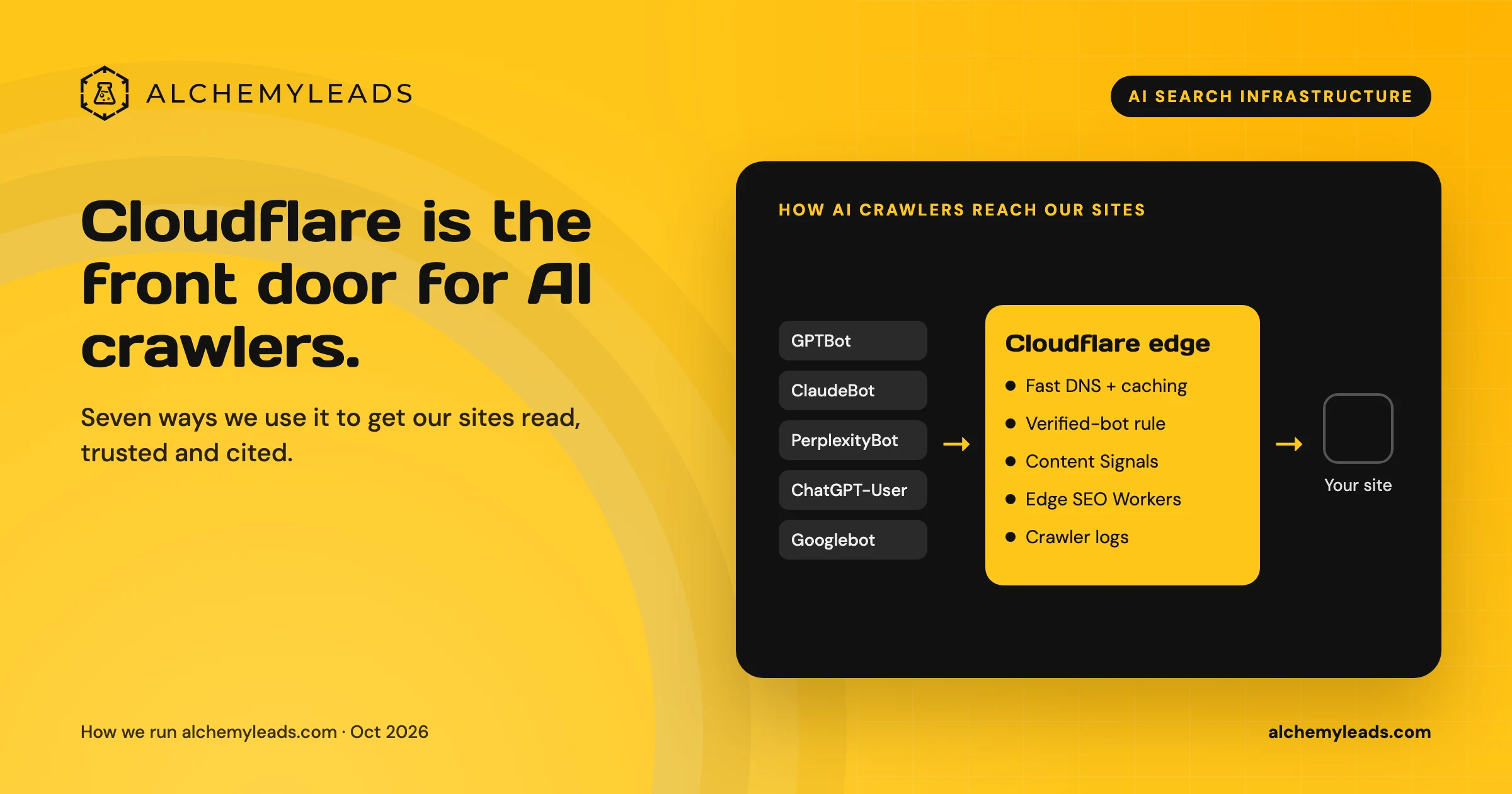
Why We Love Cloudflare for AI Search: 7 Ways We Use It for GEO and AEO
How we use Cloudflare DNS, bot rules, Content Signals and Workers to make our sites fast, crawlable and citable for ChatGPT, Claude and Perplexity.
October 16, 2026
Contact us
We value your privacy and won't share your email with others.
We'll only contact you with curated content.
