
A website with content scattered across numerous pages without a clear organizational structure is a problem many businesses have. This leads to them struggling to rank for competitive keywords because their content lacks a strategic vision and, ultimately, a comprehensive topical authority that search engines reward.
This is where pillar pages transform your search engine optimization (SEO) strategy.
In this comprehensive blog post, you’ll discover how to create pillar pages that establish your website’s authority, improve your search engine visibility, and provide genuine value to your target audience.
From understanding core concepts to measuring success, you’ll learn proven strategies to elevate your content marketing efforts. Let’s begin!
Fundamentals of Pillar Pages
Creating effective pillar pages starts with understanding their essential components and how they fit into your broader content strategy. These foundational concepts help you build content that satisfies search engines, and user needs while establishing your expertise on specific topics.
Core Concepts
A pillar page comprehensively covers a broad topic that is the foundation for your content strategy.
Unlike standard blog posts, which focus on specific aspects of a subject, pillar pages provide an authoritative overview while linking to more detailed cluster pages that explore subtopics in depth.
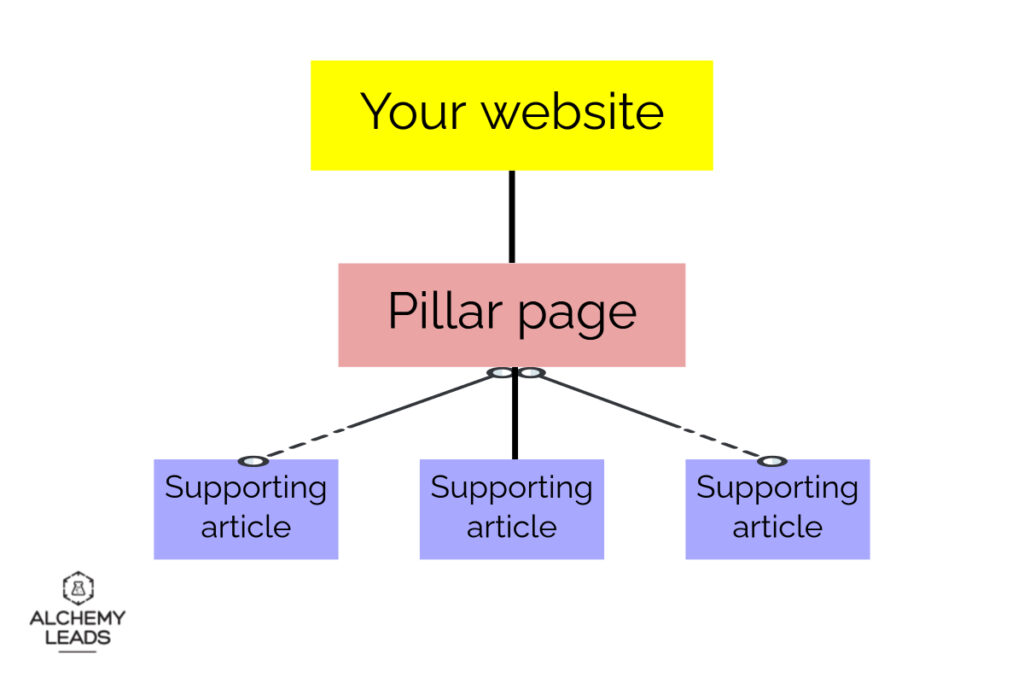
Think of a pillar page as the hub of a wheel, with cluster pages serving as the spokes.
Each cluster page focuses on a specific aspect of the main topic, creating a cohesive network of related content. This structure helps search engine crawlers understand the relationships between your content pieces and recognize your website’s expertise in particular topics.
For example, if you run a digital marketing agency, you might create a pillar page about “Content Marketing Strategy.” This page would cover the fundamentals while linking to cluster pages about content calendars, writing techniques, distribution methods, and measurement metrics.
Also, your topic clusters should support your pillar content while maintaining its identity.
For instance, a financial services company might create a pillar page about “Investment Strategies,” with cluster pages focusing on specific investment types, risk management approaches, and market analysis techniques.
Types and Structure
Different types of pillar pages serve various content needs. Here are a few example types:
- Guide pillar pages offer comprehensive tutorials or step-by-step instructions.
- “What is” pillar pages explain complex concepts or industries.
- “How to” pillar pages provide detailed instructions for specific processes.
Consider a software company’s guide pillar page about “Customer Relationship Management.” It might begin with basic definitions, then progress through implementation strategies, best practices, and advanced techniques, with each section linking to relevant cluster pages for deeper insights.
Implementation Basics
Creating successful pillar pages requires careful planning and resource allocation.
Conduct thorough keyword research to identify valuable search queries within your chosen topic. This research helps you understand what your target audience seeks and how to structure your content to meet their needs.
Quality standards for pillar pages exceed those of regular blog posts. Your pillar content must demonstrate comprehensive knowledge while remaining accessible and engaging.
This often means investing in professional writing, design, and technical implementation to ensure your pillar pages provide genuine value.
Consider creating a pillar page outline before beginning the writing process. This outline should map the relationship between your primary and related long-tail keywords, ensuring your content addresses the full scope of your chosen topic. Remember that most pillar pages require regular updates to maintain relevance and effectiveness.
Pillar Pages in Topical Maps
The strategic organization of pillar pages within your site’s topical map determines their effectiveness in building topical authority, significantly improving your search engine visibility.
When you create topic clusters properly, search engines better understand your website’s depth of expertise on particular topics.
This enhanced comprehension often improves search engine rankings across broad and specific search queries. This is all thanks to the internal linking structure between your pillar and cluster pages, which creates a strong signal to search engine crawlers about content relationships.
And as search engines analyze these connections, they better understand what your website is all about.
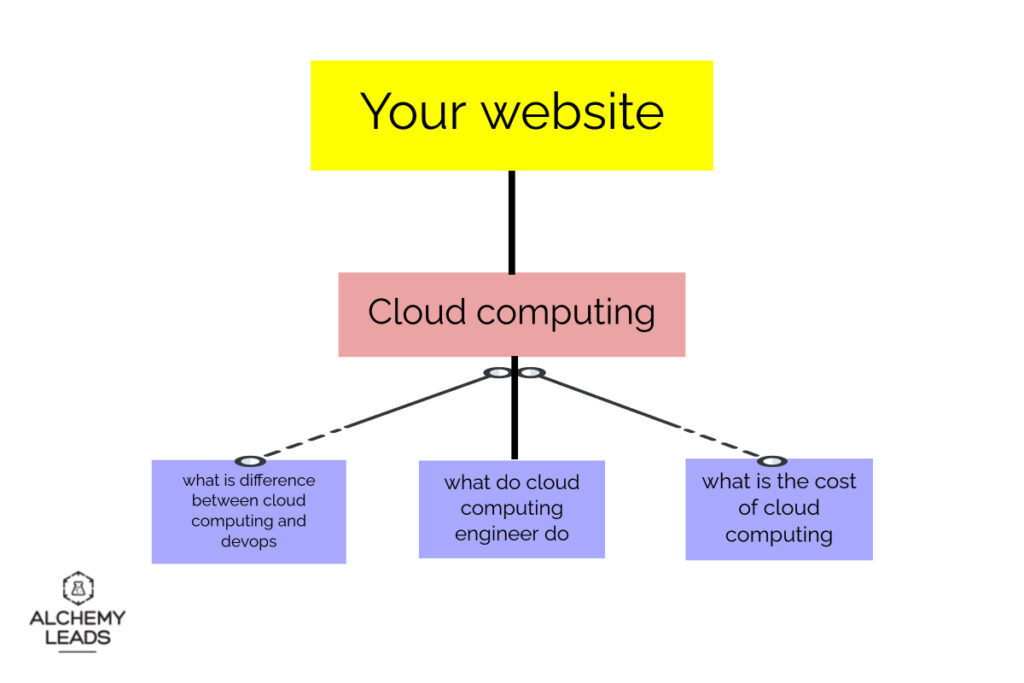
For example, a technology company’s pillar page about “Cloud Computing Solutions” might include interactive elements that help visitors quickly find specific information about security, scalability, or implementation strategies.
In that case, Google has no choice but to consider your website an authority in this space. This leads to Google and other search engines ranking your site pages higher on the search engine results page (SERP).
However, both the pillar page and supporting articles (or hub pages) of the topical map should be high-quality and expertly produced.
Beyond SEO, pillar pages enhance visitors’ interaction with your content.
Again, this is where internal links play a crucial part in how users and search engines can navigate your site pages via topical maps. The links between your pillar page and supporting hubs should feel intuitive, allowing readers to move seamlessly between your content and related cluster pages.
Another key is balancing comprehensive coverage with accessibility. Just because you linked to all your pages, your pillar and cluster pages should work together to create an engaging journey through your content, maintaining interest while delivering valuable insights at every step.
Topic Cluster Integration
Successful implementation of pillar pages depends on how well you develop and integrate supporting cluster content.
This systematic approach to content creation below strengthens your overall SEO strategy while providing comprehensive coverage of your chosen topics.
Cluster Development
Creating topic clusters and pillar pages requires strategic planning to ensure each piece of content serves a specific purpose.
Start by identifying subtopics for the other pages supporting your pillar page topic while targeting relevant keywords. Use keyword research tools like Semrush to determine potential keywords for your pillar pages and supporting articles.
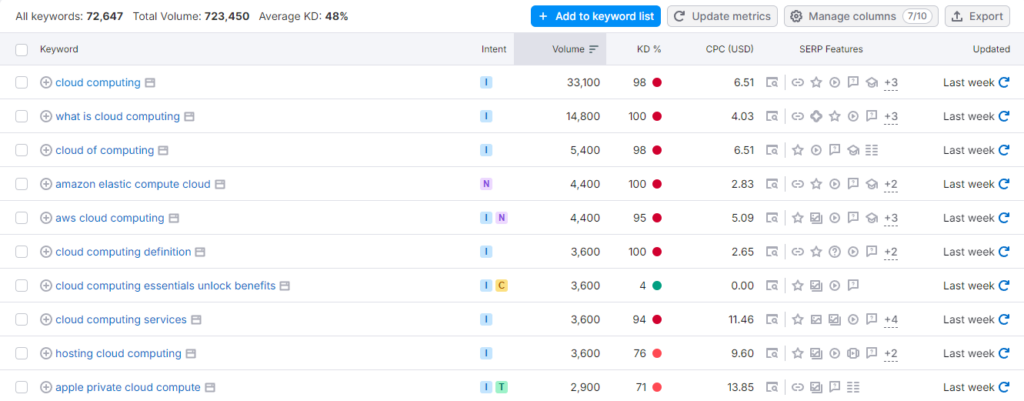
These subtopics should provide opportunities to explore specific aspects of your core topic in detail. More importantly, keywords with high monthly search volumes give your website pages to rank on SERPs and generate tons of search traffic once they appear on top.
Also, it’s possible to have multiple target keywords for a pillar page. Clustering similar keywords allows you to kill two birds at once by ranking for as many search queries on Google as possible. That means greater ranking opportunities and organic traffic for your pillar page!
You can also check your organic competitors for long tail keywords they’re ranking for that your site isn’t. Semrush’s Keyword Gap lets you analyze this to spot low-hanging fruit opportunities to help include in your topical map.
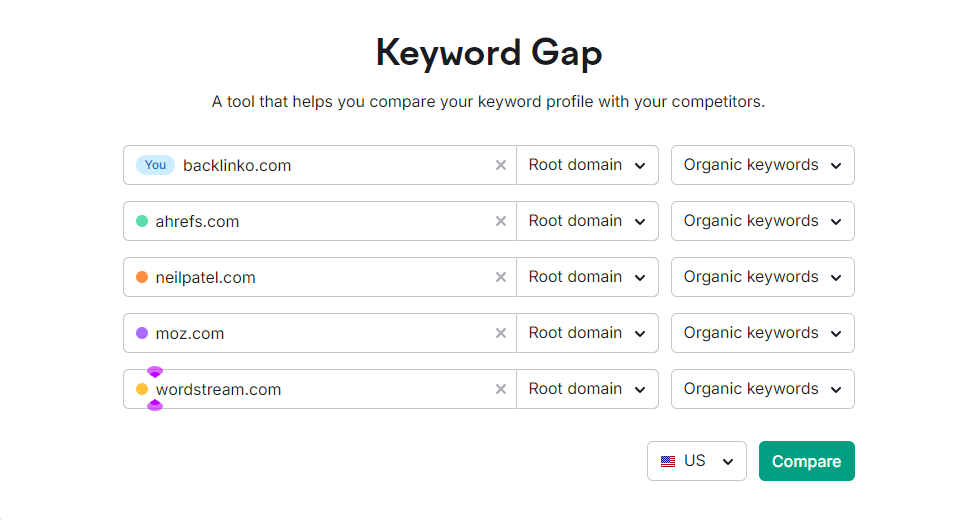
After finding these keywords, make sure that you haven’t created them on your site yet. If you have, you can incorporate the existing content into their appropriate topical map and link to them from your pillar page and vice versa.
Linking Strategy
Each cluster page should link back to the pillar page using relevant anchor text, while the pillar page links to each cluster page in contextually appropriate ways. This network of internal and external links helps establish clear relationships between content pieces.
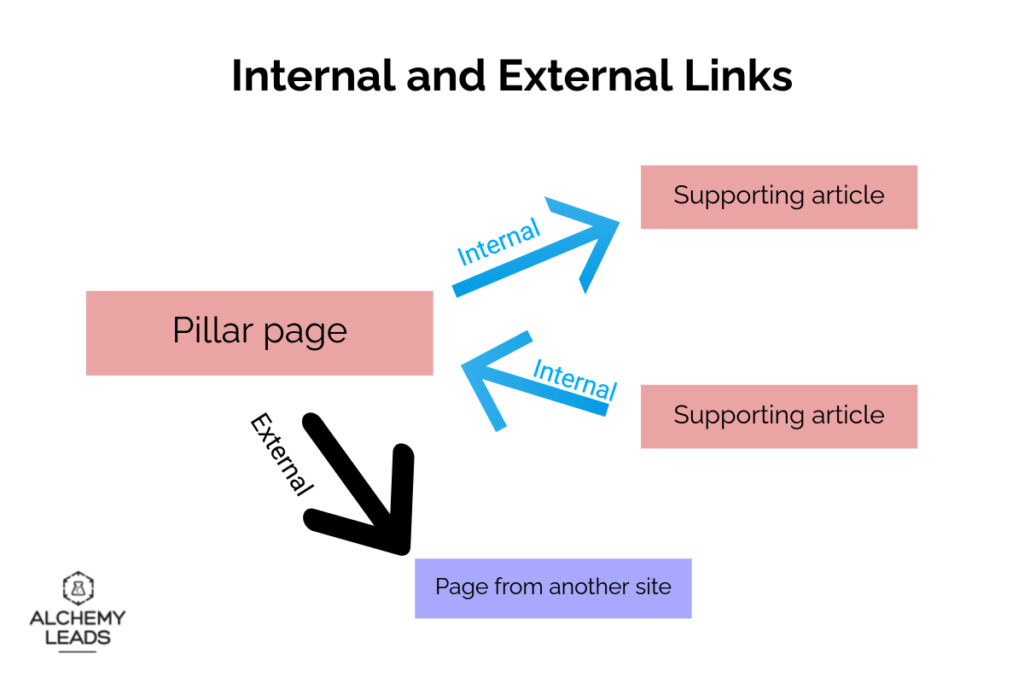
Also, consider how you use anchor text when linking between pages. The text should naturally incorporate relevant keywords while maintaining readability.
Use related keywords to your target keyword to find different anchor texts for linking to the page. Any keyword research tool should do in this regard.
On-Page SEO
Just as important, your pillar page should maintain high-quality content standards while focusing on its specific subtopic.
Success with seo pillar pages requires meticulous attention to technical details. Header optimization is crucial – structure your H1, H2, and H3 tags to create a clear content hierarchy that helps search engines understand your topic organization. Each section should target relevant keywords naturally while maintaining readability.
Content formatting decisions significantly impact both readability and search performance. Break up text with appropriate subheadings, use short paragraphs, and incorporate formatting elements like bold text and lists when they add value.
Use Surfer SEO to help you create optimized content that covers a particular topic in depth. Its latest Topics feature in the Content Editor allows you to determine topics you need to mention in your content to make it more comprehensive and authoritative.
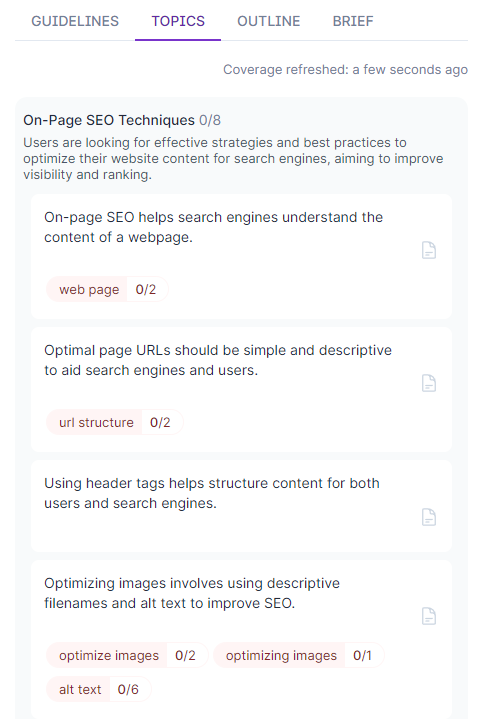
Also, Surfer SEO shows you how to structure your content, such as the number of words, paragraphs, and images you must include in the new pillar page or supporting article you’re developing.
This lets you structure the content based on the top-ranking pages on SERPs for your target keywords, allowing you to rank just as high as they are, if not higher!
In addition, integrate rich media to significantly improve engagement with your pillar content. In addition to custom images and infographics, consider incorporating video overviews of key points and interactive demonstrations.
The strategic placement of these elements helps break up text while providing alternative ways to consume information. Ensure all rich media supports your core message and provides genuine value rather than serving as mere decoration.
Measuring Success
Tracking the performance of your pillar pages requires comprehensive monitoring of various metrics. Focus on:
Search rankings for both your primary keyword and related terms deserve close attention. Track how your pillar page performs for different search queries over time, noting any emerging patterns or trends. Monthly search volume data helps prioritize optimization efforts.
User engagement metrics reveal how effectively your content serves its audience. Monitor:
- Average time on page
- Scroll depth
- Click patterns on internal links
- Return visitor rates
- Social sharing activity
Google Analytics integration provides deeper insights into how visitors interact with your pillar content. Set up goal tracking to measure specific actions like newsletter signups or content downloads. Analyze user paths to understand how readers move between your pillar and cluster pages.
Search Console monitoring helps identify technical issues and optimization opportunities. Pay attention to click-through rates from search results and any crawl errors that might affect your content’s performance.
ROI measurement should consider both direct conversions and indirect benefits like increased brand authority and improved search visibility across your topic cluster.
Conclusion
Creating effective pillar pages requires strategic planning, careful execution, and ongoing optimization. By implementing the strategies outlined in this guide, you’ll build a strong foundation for your content marketing efforts and improve your search engine visibility.
To maximize the impact of your pillar pages and ensure they effectively contribute to your topical authority, consider working with experts in Topical Mapping Services. Professional guidance can help you:
- Identify optimal pillar page topics
- Structure your content hierarchy effectively
- Develop comprehensive cluster content strategies
- Implement advanced optimization techniques
- Track and improve performance metrics
Ready to transform your content strategy with pillar pages? Learn how our Topical Mapping Services can help you build authoritative content that drives organic traffic and establishes your expertise in your field.


Suggested
Agentic Resource Discovery: A Practical Walkthrough
Agentic resource discovery is the new standard that tells AI agents what your website can do for them. Most sites have no answer yet. They are invisible to the agents that will soon book, buy, and research for real customers. Here is the problem. Search is moving from people typing queries to agents acting on their behalf. If an agent
July 6, 2026
How to Solve the AI Search Attribution Funnel
Your AI search work is paying off. People are finding you in ChatGPT and Perplexity, your brand shows up in the answers, and demand feels warmer than it did last year. Then you open your analytics. The channel that grew is “Direct.” The report says AI sent you almost nothing. That gap is not a traffic problem. It is an
July 2, 2026
SEO Isn’t Dead. The Unit Just Changed.
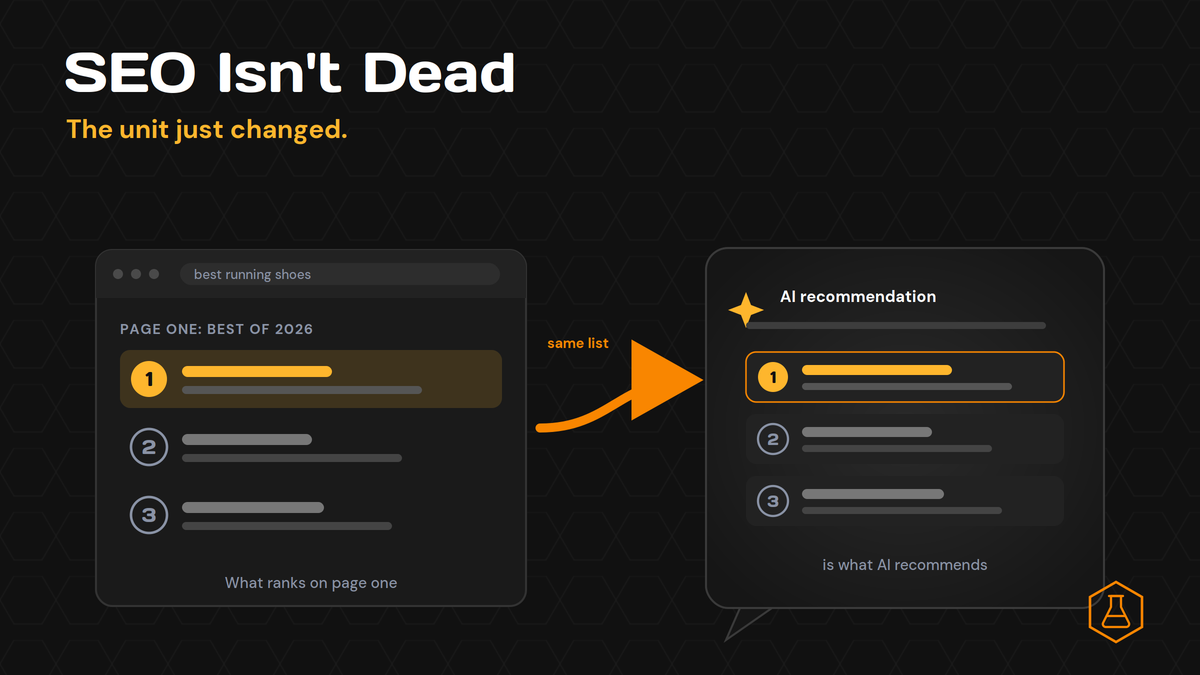
Every quarter someone declares SEO dead. This year AI search is holding the knife. The logic sounds clean: if ChatGPT and Perplexity answer the question, nobody clicks a blue link, so why rank at all? We wanted a real answer, not a hot take. So we ran the test. We sent 8 buyer-style “best tool” questions through Perplexity and logged
June 29, 2026
Fetched, Cited, or Mentioned: The 3 Ways AI Uses Your Content
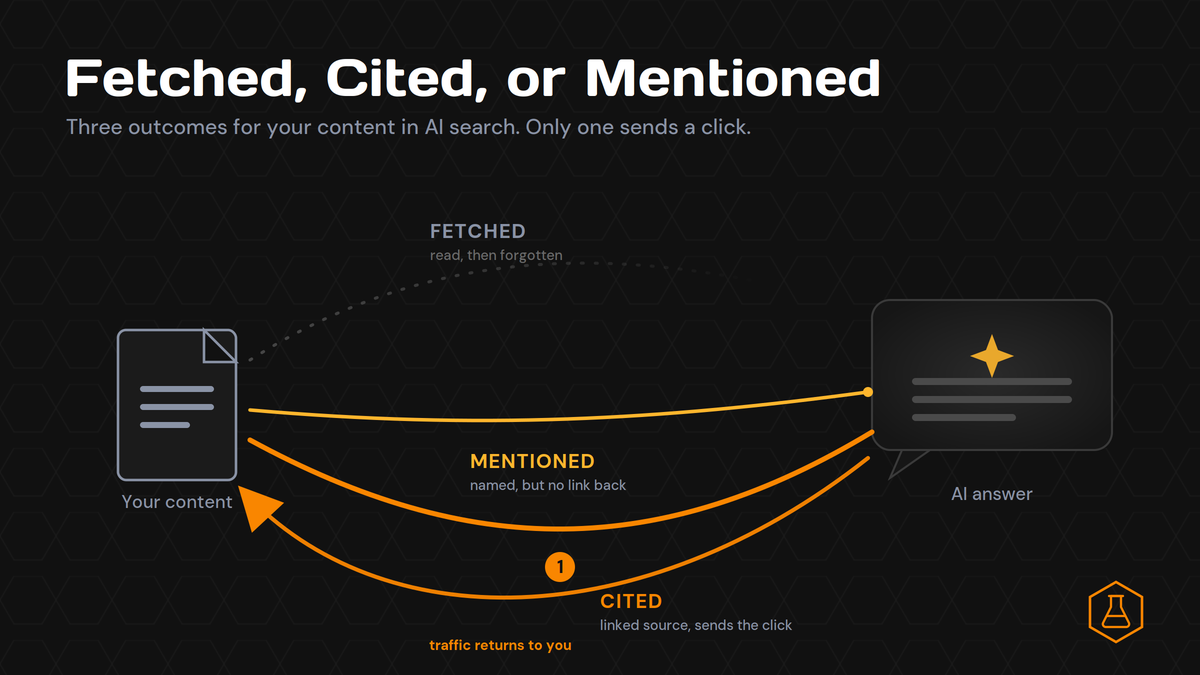
You ran the test every marketer runs now. You asked ChatGPT about your category, watched your brand name show up in the answer, and felt good for about ten seconds. Then you checked your traffic. Nothing moved. Here is the part nobody explains. A mention is not a citation. And a citation is not the same as the page that
June 26, 2026

Open Knowledge Format: What It Means for SEO
Google just shipped the Open Knowledge Format, and the SEO world is split on what to do with it. Some say it’s the next big thing for AI search. Others say it has nothing to do with your rankings. Both camps are partly right. Here’s the short version. Open Knowledge Format (OKF) is a way to package your business knowledge so
June 23, 2026
Contact us
We value your privacy and won't share your email with others.
We'll only contact you with curated content.
