
The Impact of Video Conferencing on Learning/Education
Technology has significantly impacted learning/education. Even before COVID-19, schools all over the world had started adopting education technology. Statistics show that global education technology will reach over US$350 billion by 2025.
Video conferencing is one of the technological advancements that has revolutionized the learning process. Here we look at the impact of video conferencing on education.
How video conferencing works?
Video conferencing allows people in different locations to see and hear each other in real time. This trend that has long been thought to be a reserve of the corporate world is slowly making its way to classrooms.
Many educational institutions are embracing video conferencing in a bid to adapt and evolve with the growing technology. Video conferencing allows teachers to connect with students, bring guests from around the world, and share live events without moving from one location to another, thus saving time, costs, and hassle.
The essential equipment you need to conduct a video conference includes:
- High-speed internet connection
- A webcam to provide video input
- Microphone for audio input
Of course, you can use a laptop or tablet provided it is equipped with a camera and microphone.

How video conferencing is changing learning in Schools
Video conferencing is a powerful yet flexible tool that learning institutions are using to meet their education goals. If you are yet to try video conferencing in your school, it’s high time you do so. To that end, here’s how you can use video conferencing to take learning into a whole new dimension.
Learning beyond class walls
Learning has for a long time been confined within the four walls of a classroom. This doesn’t have to be the case anymore, thanks to technological advancements like video conferencing. Through video conferencing, learning is not limited by location, money, time, and other such factors.
Students no longer need to commute from their home to school, meaning they won’t experience heavy traffic and other unseen delays. Ideally, education video conferencing ensures that no students miss learning just because they cannot be physically present in a classroom.
Access to education for all – no rural isolation
Not all students can get to school easily. Some students, especially those in remote areas, struggle to get to school and some even end up not making it to class.
Video conferencing ensures that no matter the students’ challenges, they can still access the much-deserved education. As I stated earlier in this post, a phone or laptop and internet connection are all the students will need to get into the classroom when at home.
No need to fly in guest lectures and experts
If you have invited experts and guest lectures in your school before, then you know that the costs of flying them into the country and maintaining them can add up very quickly. With video conferencing, you can invite experts to educate students without incurring flying and maintenance costs.
Besides, most renowned experts are very busy, making it extremely hard for them to travel to various learning institutions worldwide. That means having a video conference boosts your chances of having such experts impart knowledge to your students. In other words, the possibilities are endless when it comes to learning video conferencing.
Virtual field trips are the new normal
Unlike in the past, students don’t have to buy expensive flight tickets and incur accommodation hassles to view the world. Virtual field trips offer an excellent opportunity for students to explore places that they might otherwise not experience.
Besides exploring a new space, virtual field trips can help students gain background knowledge and have a different view of the world. Moreover, students can connect to current events or explore the setting of a novel through virtual field trips. On the other hand, teachers can set up a video conference with experts and authors to discuss a subject at hand to evoke student’s curiosity and provide context for learning.

Video conferencing allow for global knowledge exchange
Video conferencing offers an excellent forum for educational leadership, international students, and researchers to exchange knowledge and hear from each other. The education sector is constantly changing, and hearing from stakeholders around the world opens a wealth of opportunities and possibilities. For instance, you can call or be called by someone you met through a global educational video conferencing forum to speak to students on relevant topics.
Recording a lecture is now a reality
Listening to long and challenging lectures can sometimes be exhausting. Most students lose focus and are unable to follow up with the lesson till the end. Luckily, with video conferencing, students don’t have to rely on notes from colleagues that may at times be inaccurate. They can record the lecture on their devices and listen to it in their own time.
Moreover, video conferencing makes it easier for lecturers to hold mentoring classes for students who need extra help. This ensures that no student is left behind, no matter their learning pace. You can also record staff meetings and parent-teacher meetings for later review.
Video conferencing exposes students to different cultures
Video conferencing brings the whole world to the fingertips. It presents an excellent opportunity for students to interact with experts and other students from around the world. This exposes them to new cultures and new perspectives, broadening their way of thinking and knowledge of what lies beyond their surroundings.
Of course, students and teachers can travel physically to various destinations, but that is nothing compared to the possibilities that video conferencing brings. Video conferencing allows students and teachers to travel the world and interact with other learning institutions around the world from their homes. It helps spice up the learning process and exposes students to different cultures.
What about personal interaction?
A primary concern about video conferencing in the classroom is that it takes away the personal interaction aspect. Facial expressions, hand gestures, and other body languages are essential to students learning and maybe missed out in videos, especially when there is a poor internet connection.
However, by using video conferencing strategically, teachers and students will enhance the quality of human connections. After all, using video conferencing in the classroom is not meant to replace teachers but to enhance the learning process and interactions.
The catch is to choose a high-quality interface like Shindig that guarantees a high level of interaction between educators and students. When the students and educators engage fully during the lesson, students will gain interest in the topic and absorb it faster.

Moreover, Shindig allows the audience members to interact with others and broaden their network. Students can socialize with one another and discuss different things related to them through private video chats as they would do at in-person events.
What’s the future of video conferencing in the classroom?
The future of learning is in video conferencing. If you are yet to use video conferencing in your classroom, you are losing a lot. As you have seen above, there are many benefits of using video conferencing in the school, including:
- Connecting with global experts
- Going on virtual trips
- Improving global corporation
- Boosting engagement
- Exposure to different cultures
- Saving valuable time
If you are looking for new ways of learning, it’s high time you incorporate video conferencing in the teaching process.
Suggested
Revenue First SEO
The New SEO Approach for Ecommerce Growth Rising CPCs. Saturated ad platforms. Customer acquisition costs climbing quarter after quarter. For ecommerce and B2B brands, the math on paid media keeps getting harder. And the question more marketing leaders are asking: where does organic search fit into a sustainable growth strategy? Our Founder & CEO addressed many of these questions
February 24, 2026

HubSpot TripleSeat Integration
HubSpot TripleSeat integration solves a major problem for event venues and hospitality businesses. Most companies lose track of where their leads come from when forms bypass their marketing system, or they lose track of invoices and sales pipeline when sales tools are siloed. This breaks the connection between ad spend and actual bookings. The result? Wasted marketing budgets and poor
February 23, 2026
B2B Facebook Ads: Ultimate Marketing Strategy
Despite Facebook’s popularity as one of the best advertising platforms, many B2B businesses still hold back from advertising on Facebook. According to Statista, 91% of B2C marketers run Facebook ads, while 86% of B2B marketers use LinkedIn. This post will examine why some B2B marketers avoid Facebook ads, their effectiveness, and how to create winning B2B Facebook ads. An Overview
February 23, 2026
How To Create Win Back Customer Segments in Shopify
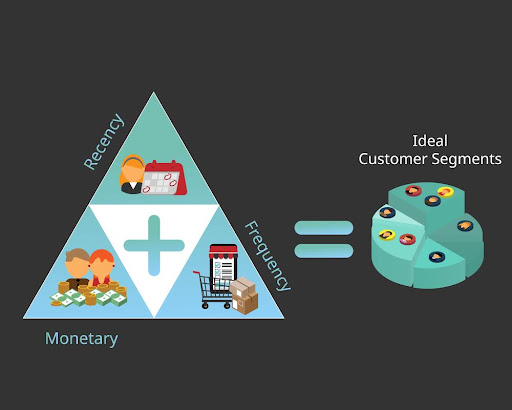
Here’s the thing about ecommerce: you spend a fortune acquiring customers, and then they ghost you. No explanation. No goodbye. Just radio silence. The good news? Most haven’t sworn off your brand forever. They’re just distracted. And bringing them back costs way less than finding new customers (we’re talking 5x cheaper). This guide shows you exactly how to create win-back
February 23, 2026
Query Fan Out for GEO: AI-First Search Optimization
Query fan out drives significant improvements in search visibility for businesses that implement it correctly. This AI search technique expands single queries into 5-15 related searches behind the scenes. Traditional SEO targets individual keywords. Smart businesses now dominate entire topic clusters through query fan-out tactics. This guide shows you the exact methods we use to help clients capture traffic they
February 23, 2026
Contact us
We value your privacy and won't share your email with others.
We'll only contact you with curated content.
