
Want to skyrocket your online visibility and attract more customers in your area? Then, it’s time to dive into local keyword research.
By using the right tools and strategies, you can uncover the secret keywords that your potential customers are using to find businesses like yours. Get ready to dominate your local search results and watch your foot traffic and online engagement soar!
The Importance of Local Keyword Research
A part of the local SEO process, keyword research is like having a secret weapon for your local SEO arsenal. So, if you want to conduct local keyword research and give your local SEO a serious boost, it’s time to start prioritizing local keyword research!
Understanding Local SEO
Your local business thrives on foot traffic and online visibility. Local SEO helps you target potential customers in your area. That’s where local keyword research comes in. Using keyword research tools, you can find local keywords that boost your local search rankings.
Local searches focus on specific local keywords. Phrases like “CBD store in Denver” or “health shop near me” show a local intent. Optimizing your content with these keywords boosts local SEO efforts.
Benefits for Small Businesses
Local keyword research is essential for small businesses looking to compete effectively. Using relevant keywords for your business helps you reach more customers searching for local services. A higher presence in local search results means more foot traffic and online engagement.
Target keywords with a local focus make your local business listings more appealing. When potential customers see your business in local search results, they’re more likely to visit your location or interact online.
The Best Local Keyword Research Tools to Skyrocket Your Local SEO
When it comes to local SEO keyword research, having the right tools in your arsenal can make all the difference. Here are some of the best tools out there to help you find the most powerful local keywords for your business and dominate your local search results:
Google Keyword Planner
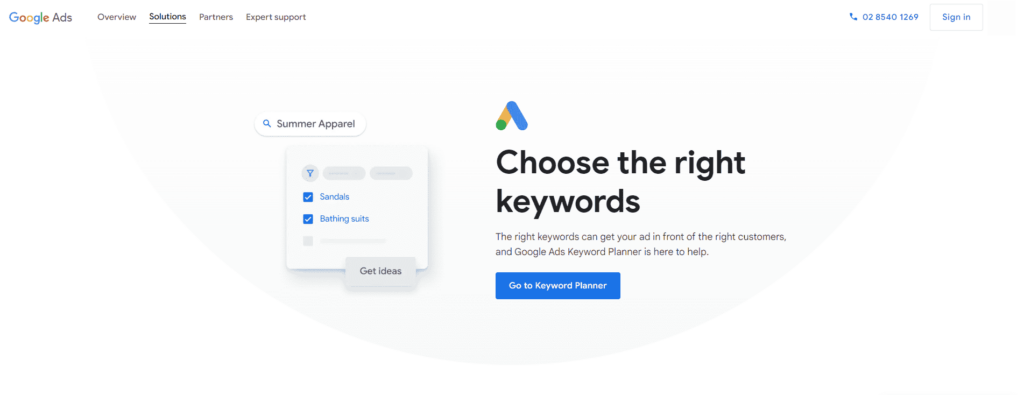
Google Keyword Planner is a tried-and-true tool every local business should have. It’s free, easy to use, and provides valuable insights into your target keywords’ search volumes and competition levels.
You can also filter your results by location to see which keywords are most popular in your area. This tool is perfect for finding those high-volume, low-competition keywords that can move the needle for your local SEO.
Ahrefs

Ahrefs is like having a secret agent on your side, helping you spy on your competitors and uncover their most effective local keywords.
With Ahrefs, you can see which keywords your rivals are ranking for, analyze their backlink profiles, and identify content gaps that you can fill with your own targeted local content. This tool is especially useful for finding those hidden gem keywords that your competitors might be overlooking.
Moz Local
Moz Local is a powerhouse tool that can help you optimize your online listings and improve your visibility in local search results. But did you know it’s also a great tool for local keyword research?
Moz Local allows you to see which keywords are driving traffic to your Google Business Profile listing, as well as the listings of your competitors. You can also use the tool to identify opportunities for improvement in your local citations and backlinks.
BrightLocal
BrightLocal is another must-have tool for local keyword research. It offers a range of features designed to help local businesses improve their online visibility, including a keyword research tool that provides local search volumes and competition levels.
BrightLocal also offers a handy “local search grid” feature that shows you how your business is ranking for specific keywords in different locations, so you can easily spot areas where you need to improve.
SEMrush
SEMrush is an all-in-one SEO tool that offers a wealth of features for local keyword research. With SEMrush, you can analyze your competitors’ keyword strategies, identify local keyword opportunities, and even spy on your rivals’ advertising campaigns.
The tool also offers a handy “keyword magic tool” that generates hundreds of keyword ideas based on a single seed keyword, making it easy to find those hidden local keywords that you might have missed.
Using Local Keywords to Boost Your Local Search Rankings
Now that you’ve conducted your local keyword research and have a list of powerful keywords to target, it’s time to put them to work and boost your local search rankings. Here’s a step-by-step process to help you make the most of your local keywords:
Step 1: Identify the Different Types of Local Keywords
When it comes to local keyword research, it’s crucial to understand the difference between implicit and explicit local keywords. These two types of keywords serve different purposes and can have a big impact on how your business shows up in local search results.
Implicit Local Keywords: The Subtle Approach
Implicit local keywords are those that don’t include a specific location or geographic term, but still have a clear local intent. These keywords usually include phrases like “near me,” “nearby,” or “closest.”
For example, someone searching for “pizza delivery near me” or “closest gym” is clearly looking for a local business, even though they haven’t specified a particular city or neighborhood.
Implicit local keywords capture the search intent of users looking for a local business but may not have a specific location in mind.
Explicit Local Keywords: The Direct Approach
On the other hand, explicit local keywords include a specific geographic term, like a city, neighborhood, or landmark.
For example, “best sushi in downtown Seattle” or “Brooklyn Heights coffee shop” are explicit local keywords because they include a clear location.
This type of local keywords are important because they help your business appear in searches for users looking for a specific type of business in a particular location.
Step 2: Create Location-Specific Pages
If your business serves multiple areas or neighborhoods, consider creating separate pages on your website for each location.
These pages should be optimized with the specific local keywords for that area, like “plumbing services in Downtown Seattle” or “best brunch in Williamsburg, Brooklyn.”
Include the location name in the page title, URL, and throughout the content to make it crystal clear to search engines and users that the page is relevant to that specific area.
Step 3: Optimize Your Website Content
Once you set up your location pages, it’s time to weave your local keywords into your other webpages. This includes your homepage, service pages, blog posts, and other relevant content.
To really supercharge your local SEO, it’s important to use both implicit and explicit local keywords in your strategy. Here are a few tips for using these keywords effectively:
- Include implicit local keywords in your website content, particularly on your homepage and service pages. For example, you might include a headline like “The Best Pizza Delivery Near You” or “Find a Gym Nearby.”
- Use explicit local keywords in your page titles, meta descriptions, and header tags. For example, if you’re a plumber in Seattle, you might use a page title like “Seattle Plumbing Services | Best Plumbers in Seattle.”
- Optimize your Google Business Profile listing with both implicit and explicit local keywords. Include your city and state in your business name and description, and use implicit keywords like “near me” in your business category and attributes.
Use your keywords naturally and strategically, ensuring they fit seamlessly into the page’s context. Don’t overdo it, though – keyword stuffing can hurt your rankings. Aim for a keyword density of around 1-2% and focus on creating high-quality, engaging content that provides value to your local audience.
Metrics to Track Success in Local Keyword Research
Successful local keyword research directly impacts your local SEO. By tracking specific metrics, you can see how well your local keywords perform and adjust your strategy accordingly.
Search Engine Rankings
Monitor search engine rankings to evaluate how your local keywords are doing. Use keyword research tools like Google Keyword Planner or Ahrefs to track your local keyword rankings.
Regularly check where your website stands for specific and related local keywords in search results. For example, if you run a local CBD business, you should ensure your site ranks well for terms like “CBD shop near me” or “best CBD in [city name].” Consistent high rankings show effective local SEO efforts.
Website Traffic and Conversion Rates
Measure website traffic to understand the impact of your local keyword strategy. Analyze traffic data from Google Analytics to see how many users land on your site through local searches. Pay attention to metrics like organic traffic, bounce rate, and session duration. Higher traffic driven by local keywords indicates successful targeting.
Conversion rates are crucial for evaluating your keyword effectiveness. Track the number of users taking desired actions such as making purchases, filling out contact forms, or subscribing to newsletters. Strong conversion rates for health and e-commerce industries reflect that your local keyword strategy matches search intent.
Conclusion
Mastering local keyword research is a game-changer for your local SEO efforts. Using the right tools and strategies can significantly boost your online visibility. Don’t forget the importance of tracking metrics like search engine rankings and website traffic. These insights help you make necessary adjustments to stay ahead in local searches. So, invest time refining your local keyword strategy and watch your local business thrive.
AlchemyLeads can help you research local keywords for which your business can rank. More importantly, our local SEO experts will also create location pages for your local business, build citations on relevant business directories, and build local backlinks to make your local listings appear on Google search results. Check out our local SEO services for more information.
Suggested

Revenue First SEO
The New SEO Approach for Ecommerce Growth Rising CPCs. Saturated ad platforms. Customer acquisition costs climbing quarter after quarter. For ecommerce and B2B brands, the math on paid media keeps getting harder. And the question more marketing leaders are asking: where does organic search fit into a sustainable growth strategy? Our Founder & CEO addressed many of these questions
February 24, 2026

HubSpot TripleSeat Integration
HubSpot TripleSeat integration solves a major problem for event venues and hospitality businesses. Most companies lose track of where their leads come from when forms bypass their marketing system, or they lose track of invoices and sales pipeline when sales tools are siloed. This breaks the connection between ad spend and actual bookings. The result? Wasted marketing budgets and poor
February 23, 2026
B2B Facebook Ads: Ultimate Marketing Strategy
Despite Facebook’s popularity as one of the best advertising platforms, many B2B businesses still hold back from advertising on Facebook. According to Statista, 91% of B2C marketers run Facebook ads, while 86% of B2B marketers use LinkedIn. This post will examine why some B2B marketers avoid Facebook ads, their effectiveness, and how to create winning B2B Facebook ads. An Overview
February 23, 2026
How To Create Win Back Customer Segments in Shopify
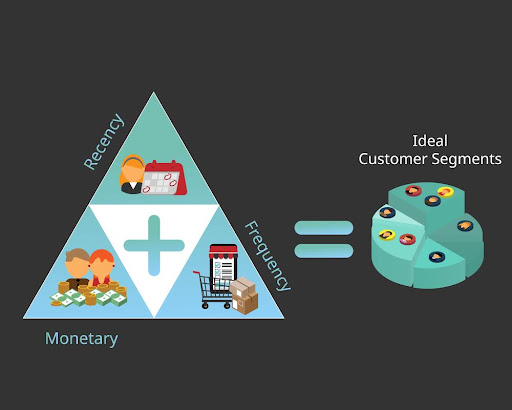
Here’s the thing about ecommerce: you spend a fortune acquiring customers, and then they ghost you. No explanation. No goodbye. Just radio silence. The good news? Most haven’t sworn off your brand forever. They’re just distracted. And bringing them back costs way less than finding new customers (we’re talking 5x cheaper). This guide shows you exactly how to create win-back
February 23, 2026

Query Fan Out for GEO: AI-First Search Optimization
Query fan out drives significant improvements in search visibility for businesses that implement it correctly. This AI search technique expands single queries into 5-15 related searches behind the scenes. Traditional SEO targets individual keywords. Smart businesses now dominate entire topic clusters through query fan-out tactics. This guide shows you the exact methods we use to help clients capture traffic they
February 23, 2026
Contact us
We value your privacy and won't share your email with others.
We'll only contact you with curated content.
