
Google’s search algorithm now uses math to understand content better than ever before. This shift toward vector-based analysis has changed how websites get ranked. Vector cosine similarity sits at the heart of this transformation.
This mathematical concept helps search engines measure how similar two pieces of content are. Instead of just matching keywords, Google now understands the meaning behind words. This creates new opportunities for smart SEO strategies.
The Mathematics Behind Vector Cosine Similarity
Vector cosine similarity calculates the exact angle between two pieces of content when they’re converted into mathematical vectors. The formula divides the dot product of two vectors by the product of their magnitudes, producing a precise similarity score.
The mathematical formula looks like this: Similarity = (A • B) / (||A|| × ||B||). Here, A and B represent your content pieces as vectors, while the dot product measures how aligned they are. The magnitude calculations normalize the results so content length doesn’t skew the scores.
Here’s a practical example using simple numbers. Imagine Document A has vector values [3, 2, 1] and Document B has values [6, 4, 2]. The dot product equals (3×6) + (2×4) + (1×2) = 28.
Document A’s magnitude is √(3² + 2² + 1²) = 3.74, while Document B’s magnitude is √(6² + 4² + 2²) = 7.48. The final similarity score becomes 28 ÷ (3.74 × 7.48) = 1.0, indicating these documents are perfectly similar.
Search engines apply this math to real content by first converting text into numerical representations. Each word gets assigned specific values based on frequency, importance, and context. These numbers form vectors that represent the entire meaning of your content.
The process works because similar content produces similar vector patterns. Pages about “dog training” and “puppy obedience” will have high cosine similarity scores even though they use different words. This mathematical relationship allows search engines to understand semantic connections that traditional keyword matching completely misses.
| Vector Component | Document A | Document B | Calculation |
| Word Frequency 1 | 3 | 6 | 3 × 6 = 18 |
| Word Frequency 2 | 2 | 4 | 2 × 4 = 8 |
| Word Frequency 3 | 1 | 2 | 1 × 2 = 2 |
| Dot Product | 28 |
What is Vector Cosine Similarity?
Vector cosine similarity measures how alike two pieces of content are by calculating the angle between them when represented as mathematical vectors. The formula produces a number between -1 and 1, where 1 means nearly identical content and 0 means no relationship.
Here’s how the process works step by step:
- Each piece of text gets converted into a list of numbers representing word frequencies.
- The formula then compares these number lists to find similarities.
- Most importantly, the math focuses on angles rather than size, so content length doesn’t affect similarity scores.
What makes this approach so powerful is that it captures meaning beyond simple word matching. Two articles might use completely different words but discuss the same concept. While traditional SEO would miss this connection entirely, vector analysis catches these semantic relationships.
This is exactly why search engines have adopted this technology for delivering more relevant results.
For example, when you search for “dog training tips,” Google finds pages about puppy behavior, canine discipline, and pet education too. The system automatically connects these related concepts without requiring exact word matches, making search results far more useful for users.
Vector Cosine Similarity in SEO Applications
The foundation of modern search starts with major algorithm updates like RankBrain and BERT, which use vector analysis to understand search intent beyond exact keyword matches. This technological shift has fundamentally changed how search engines evaluate and rank content.
Building on this foundation, content analysis becomes significantly more precise with vector similarity. SEO professionals can now identify duplicate content issues faster by catching near-duplicate pages that share similar themes but use different words. This capability directly prevents content cannibalization problems that hurt rankings.
The next layer involves semantic keyword clustering, where related terms get grouped together based on meaning rather than spelling. Terms like “automobile,” “car,” and “vehicle” cluster together naturally, which supports more effective keyword clustering strategies than traditional approaches.
This clustering capability feeds into stronger topical authority building. When search engines recognize that sites discuss connected themes in depth, those sites gain stronger ranking signals and improved visibility across related search terms.
Perhaps most importantly for user experience, query-to-content matching improves dramatically with this approach. Users get more relevant results even when their search terms don’t exactly match page content. This creates valuable opportunities for pages to rank for related terms they never directly target.
The culmination of these benefits is that Google now rewards sites that create interconnected content webs showing expertise across related topics. This evolution means SEO strategies must adapt beyond simple keyword optimization, as detailed in our strategic SEO guide.
Practical SEO Uses of Vector Similarity
Starting with competitive intelligence, content gap analysis becomes far more accurate with similarity measurements.
You can compare your content against competitors to find missing topics, while the system reveals related subjects your site should cover for better authority. This competitive insight then extends to content benchmarking, where vector analysis compares your pages against top-ranking competitors to reveal which topics need deeper coverage or different angles.
With this competitive intelligence in hand, you can move to structural improvements within your own site.
Smart internal linking for SEO becomes possible when you connect truly related pages based on mathematical relationships rather than guesswork. This approach helps search engines understand your site structure far better than random cross-links ever could.
Building on improved internal linking, content mapping templates work much more effectively when informed by vector analysis. You can plan content clusters based on mathematical relationships, which creates more logical site architectures that both users and search engines can follow easily.
The benefits compound when you apply this data to ongoing content strategy. Teams can identify which topics complement existing content, preventing duplicate efforts while building stronger topical coverage. Related content recommendations also become more accurate with vector scoring, suggesting truly relevant articles to readers and increasing both engagement and time spent on site.
| SEO Application | Vector Similarity Benefit | Implementation Difficulty |
| Internal Linking | Identifies natural connections | Low |
| Content Gaps | Reveals missing topics | Medium |
| Competitor Analysis | Shows coverage differences | Medium |
| Site Architecture | Improves logical structure | High |
| Content Planning | Guides topic selection | Low |
These practical applications scale effectively, meaning small businesses can start with basic similarity analysis for SEO optimization while enterprises can apply the same concepts across thousands of pages.
Getting Started with Vector Cosine Similarity for SEO
Implementing vector cosine similarity in your SEO strategy requires a systematic approach that builds on your existing workflows. While the concept might seem technical, the practical application becomes straightforward when you break it down into manageable steps that deliver measurable results.
Choosing the Right Tools
The first step involves selecting platforms that include vector similarity features in their toolsets. Many popular SEO tools now offer content analysis based on these mathematical relationships, making the technology accessible to most professionals.
When evaluating options, research which platforms from the SEO platform tools landscape offer the analysis depth your team needs, as some tools focus on content creation while others target technical optimization.
Setting Up Key Metrics
Once you have tools in place, establishing the right metrics becomes critical for success.
Key indicators to monitor include similarity scores between your pages and top-ranking competitors, plus tracking how your content clusters relate to each other. You should also watch for pages with low similarity to your main topics, as these might need optimization or removal.
This monitoring approach ties directly into SEO KPIs tracking, where similarity-based metrics should include semantic keyword ranking improvements and internal link click-through rates between related content pieces.
Measuring ROI and Results
With tools and metrics established, ROI measurement becomes possible by tracking ranking improvements for semantically related keywords. Pages optimized for vector similarity often rank for more related terms, expanding your organic visibility without creating entirely new content.
Implementation Best Practices
Implementation should follow a gradual approach to avoid overwhelming your team or disrupting existing workflows.
Start by using similarity data to inform content planning decisions. Then apply these insights to internal linking strategies, and finally incorporate the analysis into competitive research processes.
The SEO audit checklist should include similarity analysis steps to maintain strong topical relationships across your site over time.
Throughout this process, remember that best practices begin with content audits using similarity analysis. Identify your strongest topical clusters first, then find content pieces that don’t fit well with your main themes.
However, avoid the common pitfall of over-optimizing for similarity scores alone. User value must always come first, with similarity optimization serving as a supporting strategy.
Vector Cosine Similarity FAQs
What similarity score should I aim for between related pages?
Aim for similarity scores between 0.3-0.7 for related pages within the same topic cluster. Scores above 0.8 might indicate duplicate content issues that need addressing.
Can I use vector cosine similarity for non-English content?
Yes, vector similarity works with any language that can be converted to numerical representations. However, tool accuracy varies by language, with English typically offering the most precise results.
How does vector similarity affect voice search optimization?
Voice searches often use natural language patterns that vector similarity captures better than exact keyword matching. This makes similarity optimization particularly valuable for conversational query optimization.
What’s the difference between cosine similarity and Jaccard similarity for SEO?
Cosine similarity measures angle relationships and works better for text frequency analysis. Jaccard similarity compares shared elements and works better for binary data like tag comparisons.
Suggested

Revenue First SEO
The New SEO Approach for Ecommerce Growth Rising CPCs. Saturated ad platforms. Customer acquisition costs climbing quarter after quarter. For ecommerce and B2B brands, the math on paid media keeps getting harder. And the question more marketing leaders are asking: where does organic search fit into a sustainable growth strategy? Our Founder & CEO addressed many of these questions
February 24, 2026

HubSpot TripleSeat Integration
HubSpot TripleSeat integration solves a major problem for event venues and hospitality businesses. Most companies lose track of where their leads come from when forms bypass their marketing system, or they lose track of invoices and sales pipeline when sales tools are siloed. This breaks the connection between ad spend and actual bookings. The result? Wasted marketing budgets and poor
February 23, 2026
B2B Facebook Ads: Ultimate Marketing Strategy
Despite Facebook’s popularity as one of the best advertising platforms, many B2B businesses still hold back from advertising on Facebook. According to Statista, 91% of B2C marketers run Facebook ads, while 86% of B2B marketers use LinkedIn. This post will examine why some B2B marketers avoid Facebook ads, their effectiveness, and how to create winning B2B Facebook ads. An Overview
February 23, 2026
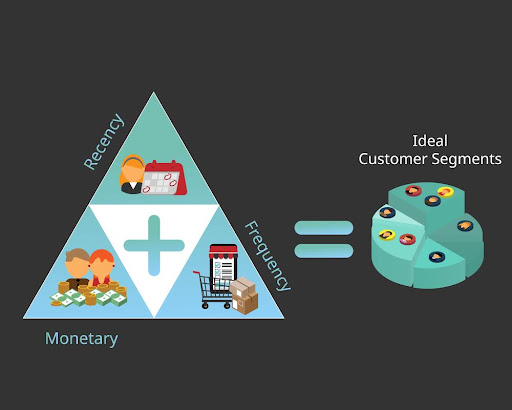
How To Create Win Back Customer Segments in Shopify
Here’s the thing about ecommerce: you spend a fortune acquiring customers, and then they ghost you. No explanation. No goodbye. Just radio silence. The good news? Most haven’t sworn off your brand forever. They’re just distracted. And bringing them back costs way less than finding new customers (we’re talking 5x cheaper). This guide shows you exactly how to create win-back
February 23, 2026

Query Fan Out for GEO: AI-First Search Optimization
Query fan out drives significant improvements in search visibility for businesses that implement it correctly. This AI search technique expands single queries into 5-15 related searches behind the scenes. Traditional SEO targets individual keywords. Smart businesses now dominate entire topic clusters through query fan-out tactics. This guide shows you the exact methods we use to help clients capture traffic they
February 23, 2026
Contact us
We value your privacy and won't share your email with others.
We'll only contact you with curated content.
