
Marketing and psychology share a direct relationship that is worthy of study for those looking to maximize their profits and potential for growth. Mastering the perfect mix of psych and marketing is a bit like alchemyleads, which is what we best. Here we’ll show you 7 psychological marketing tactics that can convert loads of traffic. We’ll also give you some great marketing tips that will take your business to the top.
The Importance of Psychology in Digital Marketing
When it comes leveraging marketing to convert traffic, psychology is one of the most powerful tools available to you. With so many millions of websites with great design and UX strewn across the internet, capturing a consumer’s attention is harder than ever. There are upwards of 5 trillion ads placed online every single year, that’s a lot of noise!
Bringing psychology into your marketing mix gives you the secret weapon that you’ll need to bring attention to your brand online.
1. Construct Detailed Buyer Personas to Influence Customers
In order to control your customer, you need to know your customer, and that means making detailed buyer personas. A buyer persona is a representation of what your ideal customer would be. You can use that information to target their tastes and cater to them. When you apply psychology towards marketing to your buyer personas, you will have a much higher chance of hitting your target market and reeling in long-term customers.
2. Combine Psych with Analytics, You’ll Be Glad You Did
One of the most effective ways to employ psychology in your digital advertisements is to leverage the power of analytics to find what clicks with your customers.
When you have buyer personas to work with and a number of existing customers with matching characteristics, you can apply analytics to yield more detailed information on your customers. You can then use those details to craft your digital ads and tailor them to the tastes of your customer base.
3. Sell Experiences, Not Products or Services
Although you know well that what you are selling is a product, service, or some combination of the two, your customers are much more interested in experiences, so that’s what you should be selling. For example, say you’re marketing furniture. While many companies will stick rather stubbornly to mindlessly listing off the various features of said furniture, customers quickly lose interest and move on to the next.
What you need to embrace is the psychological aspect of buying furniture. This of course also relies in part on tapping into your customer’s emotions. Featuring an ad that shows a couple moving in and buying new furniture together as a quasi-romantic experience will sell more loveseats than a simple photo of it peppered with text about the features.
The same logic applies to almost anything. If you’re selling food then your ads can focus on either couples or families and highlight the experience of the meal. The real trick is to know your buyer personas well enough to customize your ad to the point that your customers will closely identify with the people in your ad.
4. Tell Stories to Set the Hook
While images are great and are a perfect media for presenting a family or individual that will resonate with customers, don’t underestimate the persuasive powers of text. When using text in your ads, one of the most effective approaches is to tell a story. The story you tell will, of course, be laced with psychological tricks to appeal to the minds of your customer base.
For example, if you aim at eliciting emotional responses from the story you tell and then tie in your brand near the end, you’ll have almost any customer interested if not outright hooked. The most effective way brands can use psych to drive customer traffic is to connect with customers at an emotional level. Your customer’s emotions can steer major purchasing decisions, which means you need to focus on eliciting emotional reactions with your ads.
5. Use the Power of Color
Color is one of the most powerful weapons in your arsenal when it comes to marketing psychology. Different colors trigger different emotions which means you need to take these associations into account when deciding on what colors to use on your website, logo, and content.
For example, it’s no accident that Red Bull’s logo is red. The color red is closely associated with passion, strength, and aggressiveness which matches their brand perfectly. Yellow denotes happiness while white is connected with peace and cleanliness.
The point is, color has a strong influence on consumer perceptions and understanding those relationships is key to connecting with customers and guiding their decisions in your favor. Harnessing the power of color to tap into consumer psychology takes great skill. AlchemyLeads has what it takes to attract customers to your brand using not only color but also every other psychological trick in the book.
6. Project the Right Image, If They Trust You, They’ll Buy from You
Designing and projecting the right image for your brand will come easier to newer and smaller businesses. Larger and more established businesses will be in a less flexible position to change their image.
It is imperative to have a brand image that matches the tastes of your target market and buyer personas as closely as possible. Whether you are honing a rugged image for selling hunting clothes, or a smooth elegant one for selling champagne, attention to detail is key.
Another extremely important psychological advantage for any brand to have is trust. Although trust has been a crucial factor in the past, today, it’s even more vital. After the scandals of 2008, trust is hard to come by for consumers, especially when it comes to financial services.
More recently, the glut of fake news strewn across the internet is making consumers even more careful about who they choose to do business with.
Another area where building trust is particularly valuable is the cannabis industry. With so many businesses vying for a market share in the cannabis trade, those who establish a sense of trust among consumers are guaranteed to outperform their competitors.
There are various ways to promote a trustable image for your brand.
Once you’ve built a certain level of trust with consumers, you’ll have a major advantage over your competitors. You’ll also enjoy much higher returns for as long as you’re able to maintain the image.
7. Use Psychology and Social Media to Direct Your Customers
The psychological importance of culturing a strong online presence on social media is that buyers tend to follow other buyers in a concept called ‘mirroring’. Essentially, if you have tons of likes, positive comments, etc. strewn across your brand’s social media pages, you’ll be more attractive to buyers who are afraid to try something new.
You should also take advantage of psychology in your social media activity and use it to steer your customers into the kinds of conversations you want them to have. Don’t just make conversation, shape conversation. These conversations should be designed to attract others and convert them into new customers.
For example, don’t just use your social media pages as places to dump mindless promotions that few will read and even fewer will want to talk about online. The best strategy here is to make posts that engages customers and gets them talking about how, why, when, and where they use your products.
Today, each and every customer has an enormous individual potential to spread the word about your brand. Directing them to share their stories with your products on social media can fuel a ton of attention.

The Real Prize Is a Customer for Life
One of the most important things in marketing to remember is that a one-time buyer isn’t the primary goal. What you really want, are life-long customers who are so attached to your brand, they won’t buy anything else. That kind of customer is only attainable when you connect with them emotionally. The only way to do that is to employ sound and effective use of psychology.
That is of course, why many brands choose to employ especially clever marketing towards kids. The purpose is to instill a sense of familiarity that will grow into nostalgia and ultimately to brand-loyalty.
Why You Need a Professional Marketing Agency
AlchemyLeads knows how to mix psychology and marketing in a way that will convert traffic to your business in droves. As long as you can keep up with all of the new customers, we’ll keep bringing them in for you.
Harness the Power of Psychology in Your Marketing, with AlchemyLeads
Blending psychology and marketing to attract more traffic to your brand is an art form, and when you partner with AlchemyLeads, you’ll have the best artists in the business at your service. You owe it to your brand to give it the best advantage, find it with AlchemyLeads.
Get AlchemyLeads on the phone today and watch conversion traffic go through the roof, through the magic of marketing psychology.

Image: Pixabay
Suggested
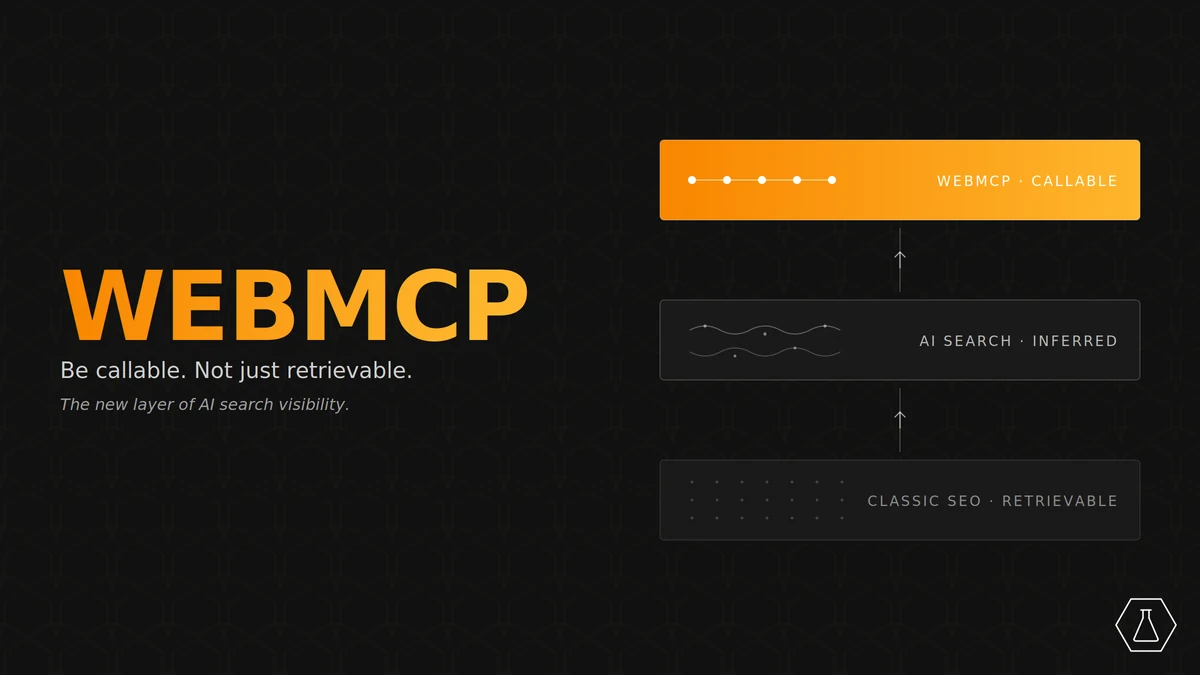
WebMCP for SEO: What It Means When AI Agents Call Your Site
AI search picks sources differently now. The old model was simple. Be retrievable. Make sure crawlers can find your content, build authority through links, structure your pages so they rank. That model still works. It’s no longer the only one operating. A second layer has shipped on top. AI agents can call your site directly, the same way a developer
May 27, 2026
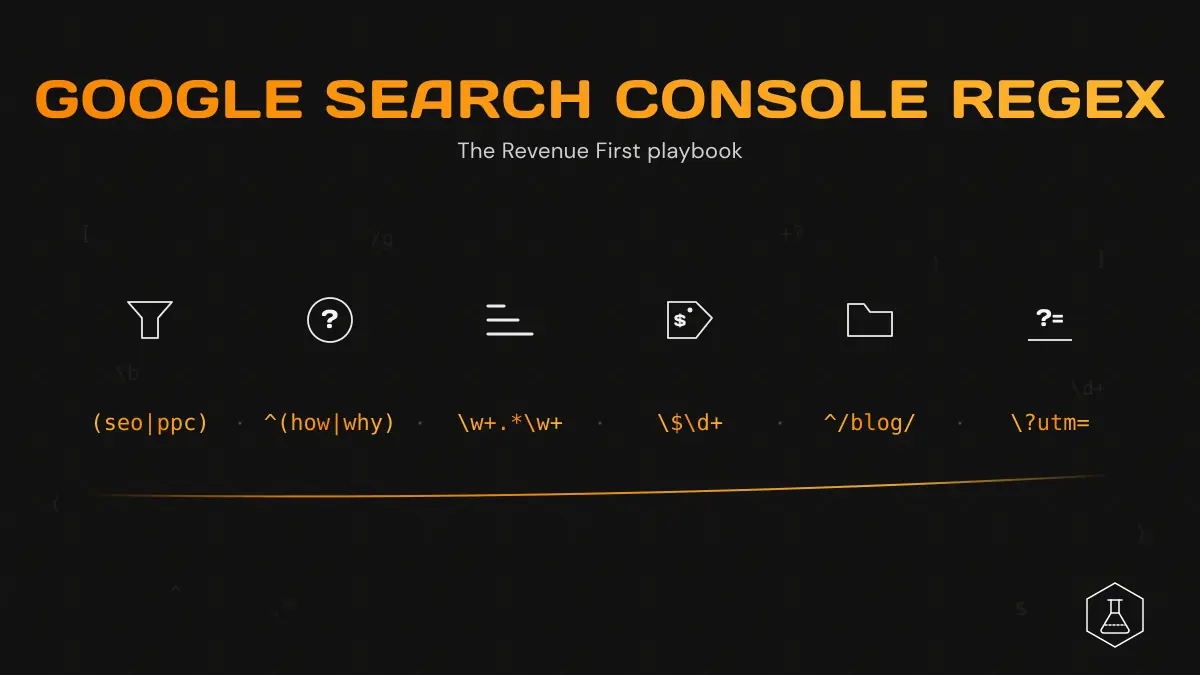
Google Search Console Regex: The Revenue First Playbook
Google Search Console regex isn’t just a syntax puzzle. Get the 6 patterns that earn their keep and the revenue moves they trigger.
May 27, 2026
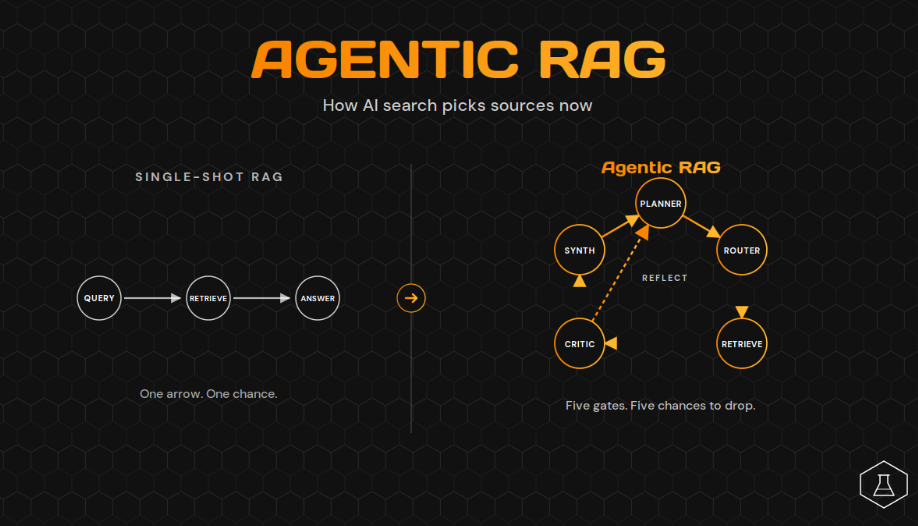
Agentic RAG: How AI Search Picks Sources Now
The retrieve-once-then-generate model that defined the first wave of AI search is over. Every major AI search platform has moved on. Google AI Mode, ChatGPT Search, Perplexity Pro Search, Claude with Computer Use, and the Microsoft Copilot agents all run a different architecture now. They plan. They route between tools. They retrieve, read, then retrieve again. They grade their own
May 22, 2026
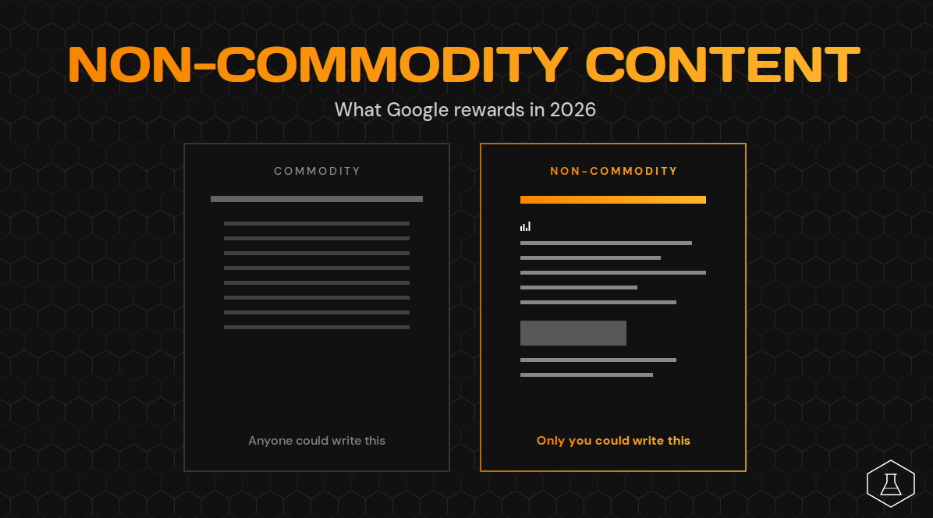
Non-Commodity Content
Google just gave the SEO industry a new term. Non-commodity content. Danny Sullivan introduced it at Search Central Live Toronto in April 2026, and Google’s updated AI Search guide put it in writing in May. The framing is sharp. Commodity content is anything someone with a content brief and an internet connection could write. Non-commodity content is the stuff only
May 20, 2026
Is AI Search Just SEO? The AlchemyLeads Take
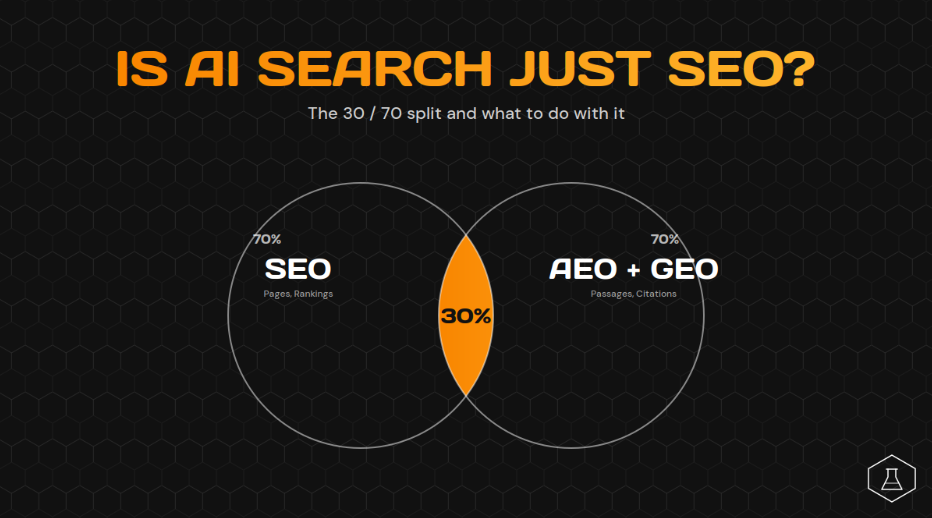
Is AI search just SEO? Half the industry says yes. The other half says no. Google says it’s all still SEO. Microsoft has been publishing posts that call it Generative Engine Optimization. Rand Fishkin at SparkToro pushes back on the new acronyms entirely. Two vendors have probably pitched you “GEO services” this quarter. Here’s the honest answer. Yes and no.
May 20, 2026
Contact us
We value your privacy and won't share your email with others.
We'll only contact you with curated content.
