
Even though there is no cookie-cutter and universally accepted formula for Landing Page Optimization, there are some common-sense ideas and approaches to make your Landing Page a highly converting one.
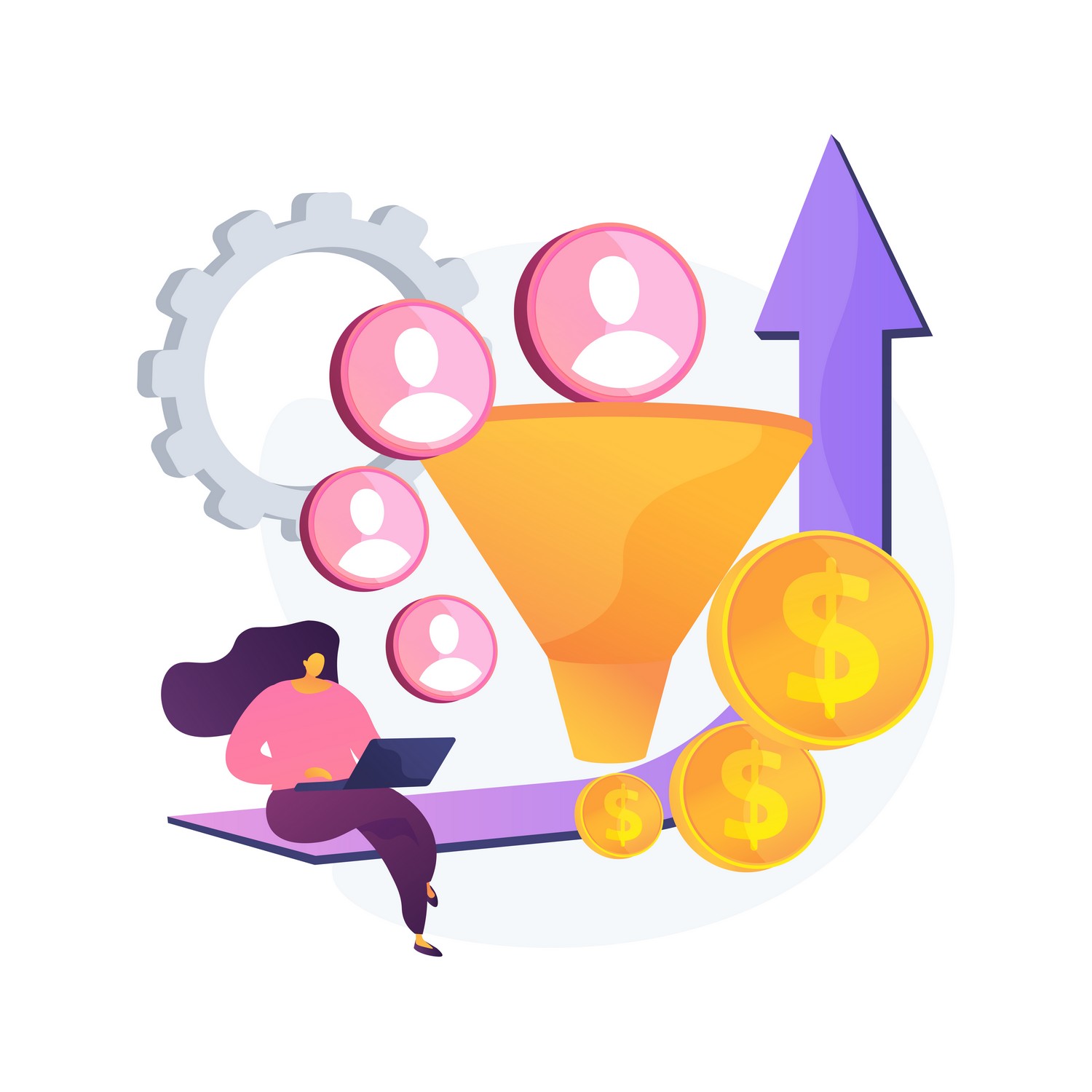
Following a few simple rules of thumb will increase your odds of creating a winner.
If you’re looking for ideas on where to start with your next landing page design, the infographic below is a good place to start.

And most importantly – you should remember that even after you build your first landing page, you must continually A/B test variations to improve those golden conversion metrics.
To sum up, the conversion optimization process and conversion rate optimization when it comes to landing pages – There are a few key points that must always be taken into account.
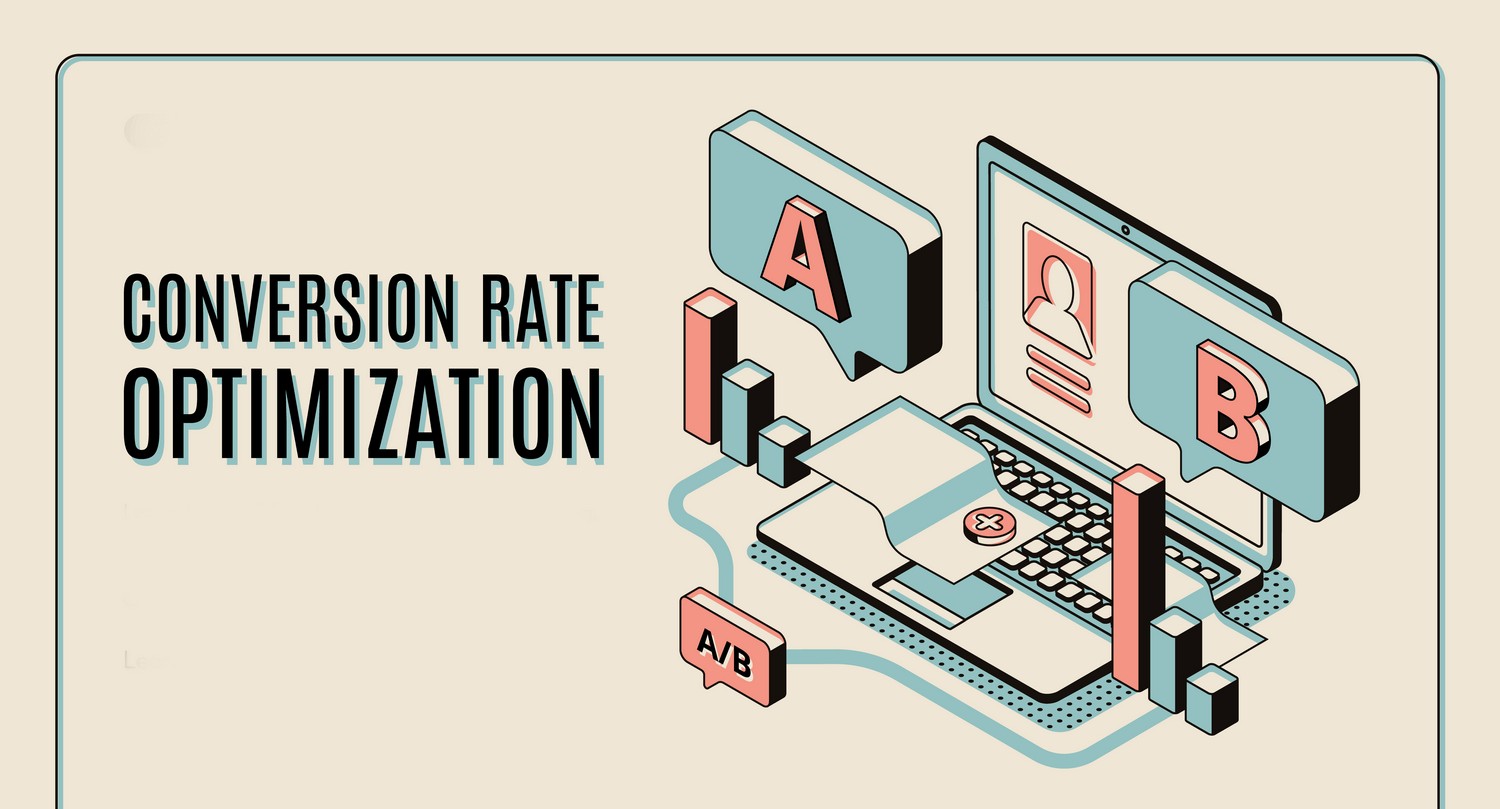
These bullet points should always be on your mind because believe me, they are definitely on the minds of your consumer as they visit your landing page, whether the consumer knows it or not.
- Page Headlines
- Grammar
- Ad Copy
- Trust Indicators
- Strong Call-to-Action Buttons
- Visual Media Related to Onsite Content
- Visual Elements Above the Fold
- ALWAYS BE TESTING (What works for everyone else may not work for your website. Hypothesize and test)
And lastly, Don’t make it all about you.
Your landing page should focus on the value customers will get from downloading your ebook, subscribing to your newsletter, etc. Pages that focus too much on your company or product itself will have a much harder time communicating value. They won’t successfully convert many leads.
Now, go get those conversions!
Error: Contact form not found.
Suggested
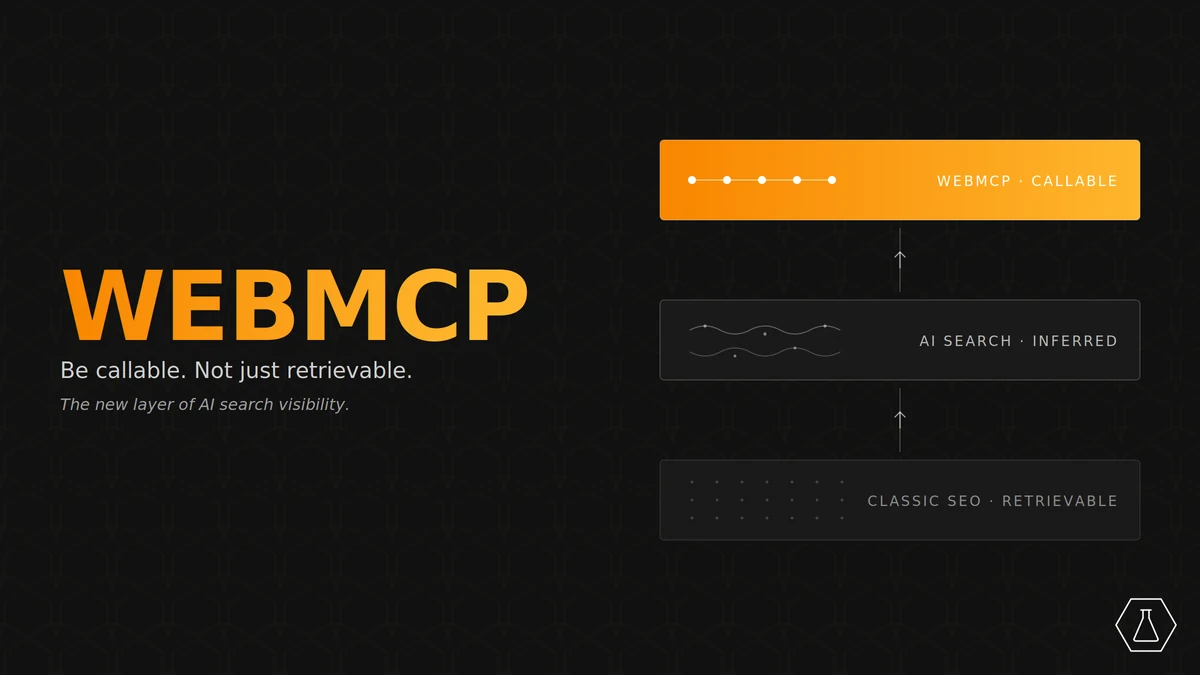
WebMCP for SEO: What It Means When AI Agents Call Your Site
AI search picks sources differently now. The old model was simple. Be retrievable. Make sure crawlers can find your content, build authority through links, structure your pages so they rank. That model still works. It’s no longer the only one operating. A second layer has shipped on top. AI agents can call your site directly, the same way a developer
May 27, 2026
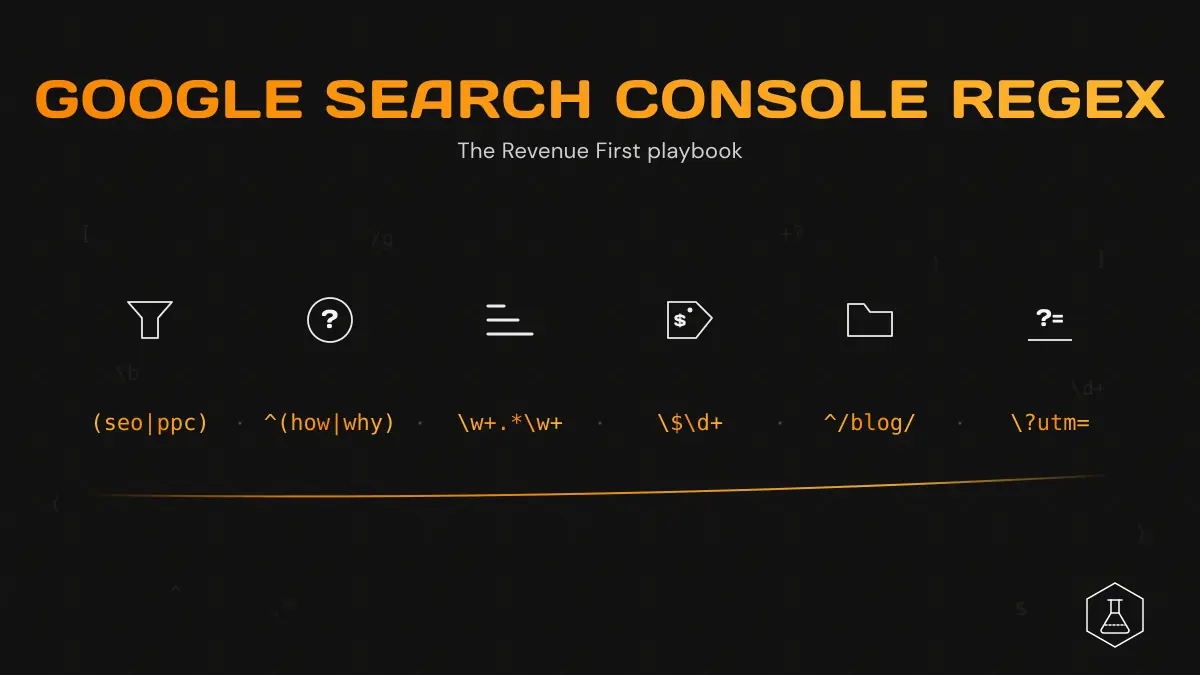
Google Search Console Regex: The Revenue First Playbook
Google Search Console regex isn’t just a syntax puzzle. Get the 6 patterns that earn their keep and the revenue moves they trigger.
May 27, 2026
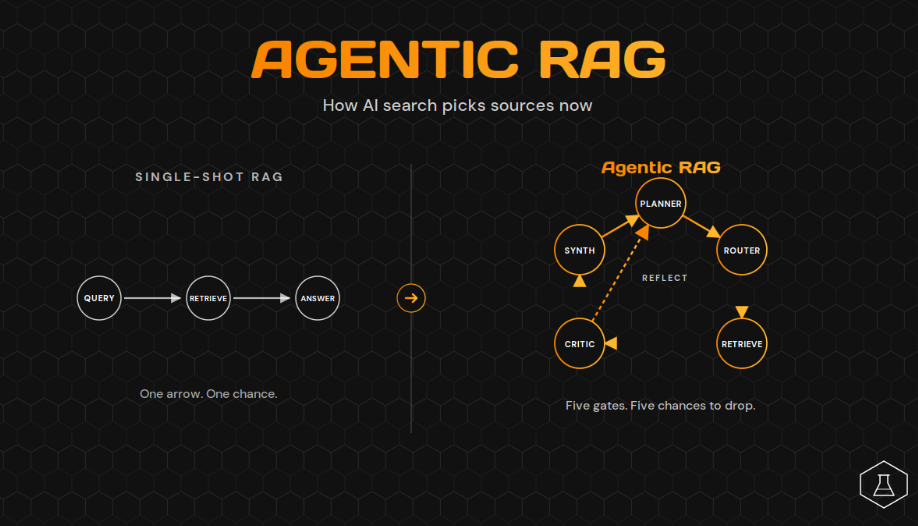
Agentic RAG: How AI Search Picks Sources Now
The retrieve-once-then-generate model that defined the first wave of AI search is over. Every major AI search platform has moved on. Google AI Mode, ChatGPT Search, Perplexity Pro Search, Claude with Computer Use, and the Microsoft Copilot agents all run a different architecture now. They plan. They route between tools. They retrieve, read, then retrieve again. They grade their own
May 22, 2026
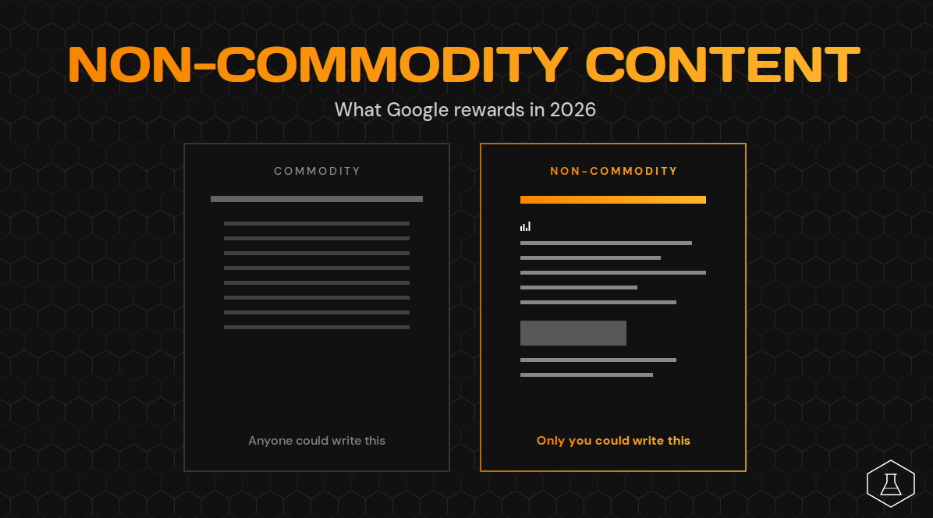
Non-Commodity Content
Google just gave the SEO industry a new term. Non-commodity content. Danny Sullivan introduced it at Search Central Live Toronto in April 2026, and Google’s updated AI Search guide put it in writing in May. The framing is sharp. Commodity content is anything someone with a content brief and an internet connection could write. Non-commodity content is the stuff only
May 20, 2026
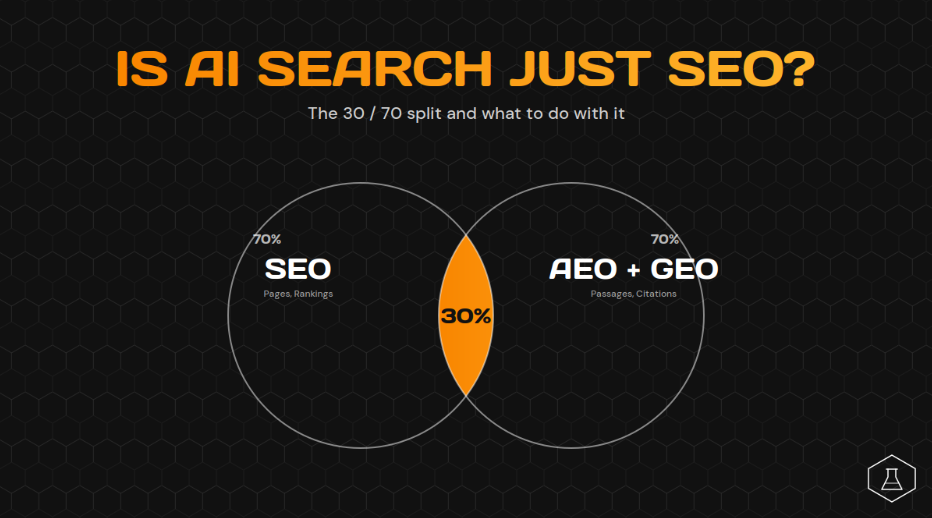
Is AI Search Just SEO? The AlchemyLeads Take
Is AI search just SEO? Half the industry says yes. The other half says no. Google says it’s all still SEO. Microsoft has been publishing posts that call it Generative Engine Optimization. Rand Fishkin at SparkToro pushes back on the new acronyms entirely. Two vendors have probably pitched you “GEO services” this quarter. Here’s the honest answer. Yes and no.
May 20, 2026
Contact us
We value your privacy and won't share your email with others.
We'll only contact you with curated content.
