
Informational content drives more qualified leads than traditional advertising, even as AI reshapes search behavior. Smart businesses doubled down on educational content, seeing significant organic traffic increases by adapting their approach. The winners aren’t abandoning top-of-funnel content. They’re making it work harder. This guide reveals the exact strategies our clients use to dominate informational searches while feeding their sales pipelines. No theory. Just proven tactics that generate measurable results.
Informational Content Isn’t Dead—It Evolved Into Your Biggest Opportunity
The death of informational content is marketing’s biggest myth. Our SEO services clients saw substantial organic growth by treating educational content as a revenue driver, not just traffic bait.
Here’s what changed. Informational content now serves four critical business functions:
Visibility without clicks. AI overviews, featured snippets, and People Also Ask boxes showcase your expertise directly in search results. Our clients gain millions of monthly impressions from featured snippets alone. Zero clicks required.
Brand recognition acceleration. Repeated exposure builds trust faster than paid ads. Prospects see your name multiple times before converting. Educational content creates those touchpoints at zero acquisition cost.
AI citation authority. Search engines quote structured, authoritative content. When your content feeds AI answers, you become the definitive source. This builds domain authority and increases commercial keyword rankings.
Sales funnel acceleration. Users who consume your educational content convert faster than cold traffic. They arrive pre-educated and pre-qualified. Your sales team closes deals in weeks, not months.
The shift isn’t about content volume. It’s about content that works across human and machine readers simultaneously.
The New Job Description for Top-of-Funnel Content
Modern informational content handles four distinct jobs that traditional SEO never addressed. Each job requires specific tactics and measurement approaches.
Job #1: Capture Zero-Click Visibility
Your content must perform in AI overviews and featured snippets where users get answers without visiting your site. This visibility builds brand awareness and positions you as the go-to expert.
How to win: Structure content with clear, definitive answers in the first 40-60 words of each section. Use numbered lists, bullet points, and direct statements. Include specific data points and timeframes.
Understanding Google AI Overviews helps you optimize content for these new search features that display answers directly in results.
Measurement: Track impression share in SERP features, not just traffic. Our legal firm clients gained significant impression share for competitive keywords through strategic snippet optimization.
Job #2: Build Brand Memory at Scale
Each appearance in search results deposits brand equity in prospect minds. This memory bank pays dividends when they’re ready to buy.
How to win: Maintain consistent brand messaging across all educational content. Use your unique terminology and frameworks. Include your brand name naturally in titles and descriptions.
Measurement: Monitor branded search growth and direct traffic increases. Track how informational content views correlate with commercial keyword performance.
Job #3: Feed AI Training and Citations
AI systems learn from and cite well-structured, authoritative content. Become their preferred source for your industry topics.
How to win: Use clear headings, cite credible sources, and update content regularly. Include publication dates, author credentials, and data attribution. Structure information in easily digestible chunks.
Semantic SEO principles help you create content that search engines and AI systems can better understand and categorize.
Measurement: Track citation frequency in AI overviews and competitor content. Monitor domain authority improvements and backlink growth from industry sites.
Job #4: Qualify and Warm Sales Prospects
Educational content pre-qualifies prospects by demonstrating your expertise and approach. Informed prospects make faster buying decisions.
How to win: Connect educational topics to your service methodology. Show your thinking process and results. Include relevant case studies and client examples naturally.
Measurement: Track assisted conversions from educational content. Monitor sales cycle length for prospects who consume multiple educational pieces versus those who don’t.
The most successful content marketing services clients treat each piece of educational content as a multi-purpose business asset, not just an SEO play.
Build Topic Authority That AI Systems Trust
AI rewards depth over breadth. Our clients who dominate informational searches own complete topic areas, not random keywords. Here’s how to build that authority systematically.
Map Your Expertise Territory
Start with your proven results. One SaaS client mapped dozens of subtopics under “customer retention” after analyzing their successful projects. This clarity guided months of content planning and resulted in top rankings for multiple commercial keywords.
Document the concepts, processes, and outcomes that define your expertise. If you’re a local SEO specialist, your territory includes Google Business Profile optimization, citation building, review management, and local link acquisition.
Create Topic Clusters That Connect
Build pillar pages that cover broad topics completely. Support them with detailed articles on specific aspects. One medical practice client created a pillar page on “pediatric care” with supporting articles. This cluster drove substantially more organic traffic than their previous scattered approach.
Structure your clusters around user intent progression:
- Awareness stage: “What is local SEO?”
- Consideration stage: “Local SEO vs national SEO”
- Decision stage: “How much does local SEO cost?”
Understanding topical authority helps you plan content that builds expertise systematically rather than randomly targeting keywords.
Design Information Architecture for Machines
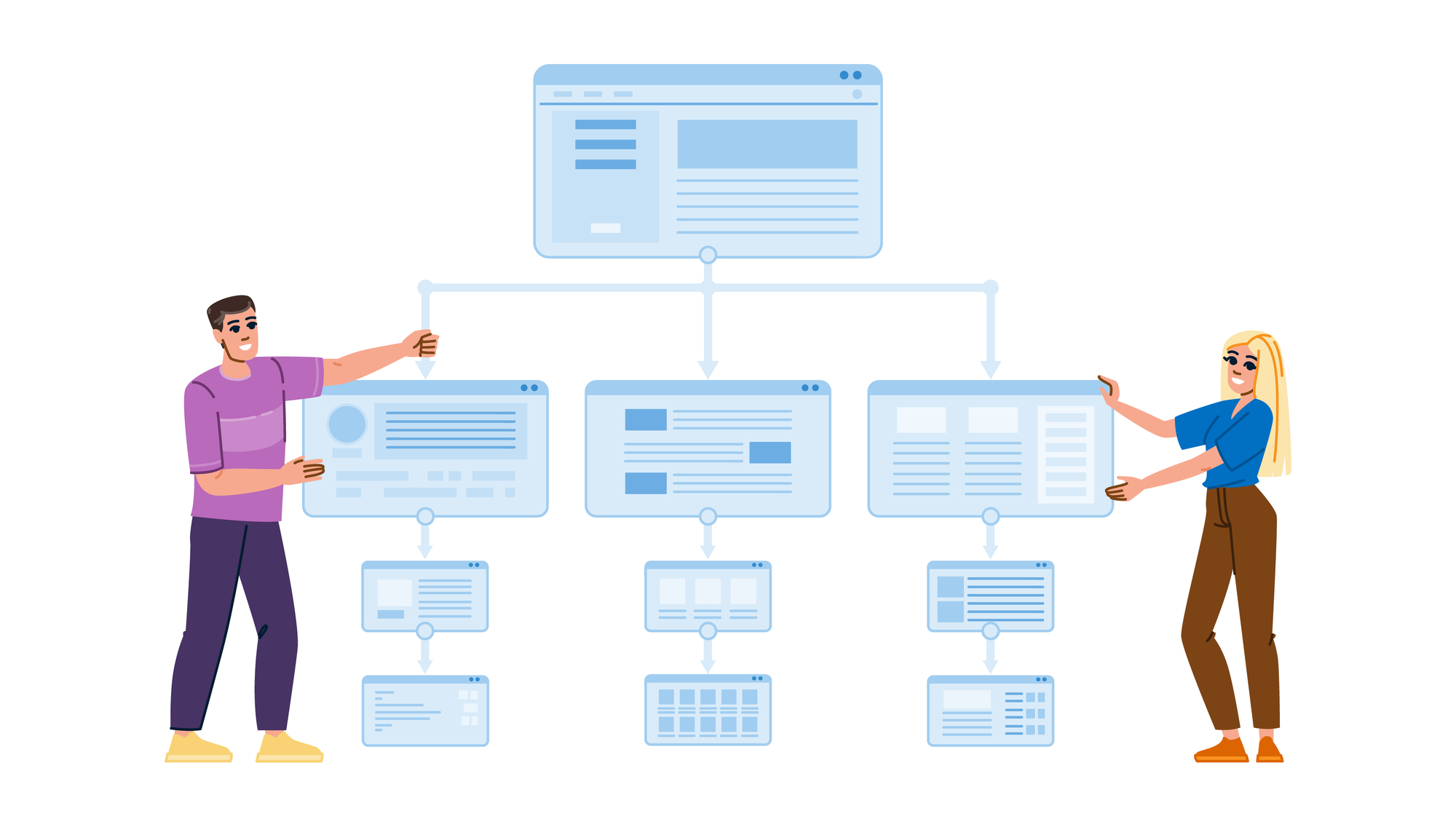
AI systems follow your site structure to understand topic relationships. Clear navigation and logical URL patterns help machines categorize your expertise correctly.
Use descriptive anchor text that matches page intent. Link from informational content to related educational pieces first, then to service pages. This progression feels natural to readers and signals topical authority to search engines.
Content Formats That Resist AI Commoditization
Certain content types maintain unique value even as AI gets smarter. Focus your efforts on formats that machines cannot replicate easily.
Original Research and Industry Benchmarks
Proprietary data creates unmatched value. One client surveyed e-commerce businesses about conversion optimization. The resulting report generated substantial backlinks and positioned them as the industry authority on e-commerce performance.
Commission surveys, analyze client data, or compile industry trends. Share specific findings with clear methodology. This content becomes the source others cite and drives natural link building.
Effective link building strategies often start with creating linkable assets like original research that other industry sites want to reference.
Detailed Case Studies With Real Metrics
Generic advice is everywhere. Specific success stories with actual data stand out. Include client background, challenge details, solution approach, and measurable results.
Our B2B SEO case study shows exact traffic increases, keyword rankings, and revenue impact. These specifics build trust and demonstrate capability better than general claims.
Interactive Tools and Calculators
Build ROI calculators, audit tools, or planning templates. These resources provide immediate value while capturing lead information. Our clients’ interactive tools generate hundreds of qualified leads monthly.
Interactive content gets bookmarked, shared, and linked to naturally. It extends your reach beyond your initial audience and creates ongoing engagement opportunities.
Strong Point-of-View Content
Take definitive positions on industry debates. Back your stance with evidence and client results. Contrarian viewpoints generate discussion and social sharing.
One article arguing against “SEO is dead” myths generated thousands of social shares and dozens of industry backlinks. Strong opinions attract attention and establish thought leadership.
Write for Humans, Structure for AI
Balance readability with machine-friendly formatting. Your content must satisfy both audiences simultaneously.
Use Modular Content Blocks
Break information into standalone sections. Add summary boxes and key takeaways. This structure helps speed-readers and AI systems that extract specific information.
Start each section with the main point. Follow with supporting details. End with actionable next steps. This pattern works for both human attention spans and machine processing.
Implement Clean Heading Hierarchy
Use descriptive H2 and H3 tags that clearly indicate section content. Avoid clever wordplay in favor of keyword-rich, descriptive headings.
Good: “How to Optimize Google Business Profile for Local Rankings” Bad: “Profile Perfection: Your Path to Local Domination”
Add Structured Data Markup
Implement Article, FAQ, and HowTo schema markup. This code helps search engines understand your content structure and increases rich result opportunities.
FAQ schema can be particularly effective for educational content that answers common questions in your industry.
Test your markup regularly using Google’s Rich Results Test. Fix errors promptly to maintain visibility in enhanced search features.
Include Clear Attribution and Evidence
Cite credible sources with publication dates. Link to authoritative references. Include author credentials and company information. This transparency builds trust with readers and confidence with AI systems.
Update statistics regularly. Mark content refresh dates clearly. Fresh information signals reliability to both humans and machines.
Strategic Internal Linking That Drives Revenue

Transform educational content readers into paying customers through intelligent linking strategies.
Create Natural Progression Paths
Guide readers from broad educational topics to specific solutions. Link “what is SEO” content to “SEO vs PPC comparisons” and then to SEO services pages.
Match link placement to reader intent evolution. Early in articles, link to related educational content. Later sections can include solution-focused links.
Use Intent-Aligned Anchor Text
Link to informational pages with question-based anchors. Link to commercial pages with solution-focused text. This alignment helps both search engines and users understand link destinations.
Educational link: “Learn more about keyword research” Commercial link: “Get professional SEO services”
Track Link Performance Data
Monitor which internal links generate the most clicks and conversions. Double down on high-performing patterns. Remove or reposition links that don’t drive engagement.
Our clients increased service page conversions significantly by moving commercial links from article conclusions to mid-content contextual placements.
Multi-Channel Distribution Strategy

Amplify your content reach across platforms while maintaining consistent messaging and expertise positioning.
Repurpose Content Strategically
Transform long-form articles into platform-specific formats:
- LinkedIn: Professional insights and industry observations
- Twitter: Key statistics and quick tips
- YouTube: Visual explanations and case study breakdowns
- Email: Curated insights for subscriber audiences
Each format should reinforce your expertise while respecting platform norms and audience expectations.
Adapt for Platform Algorithms
LinkedIn favors professional insights with industry data. Twitter rewards concise, actionable advice. YouTube thrives on visual storytelling and personality.
Maintain core messaging consistency while optimizing format and tone for each platform’s unique characteristics.
Create Content Circulation Systems
Regularly resurface your best-performing content through email campaigns, social media, and internal linking. Update older pieces with new information and redistribute them.
Set up automated systems to promote evergreen content monthly. This circulation keeps your expertise visible and drives continuous traffic to proven performers.
Metrics That Matter for Business Growth
Track measurements that reflect real business impact, not vanity metrics that look good but don’t drive revenue. Understanding which SEO KPIs to track helps you focus on metrics that actually matter for business growth.
Monitor SERP Feature Dominance
Track how often your content appears in AI overviews, featured snippets, and People Also Ask boxes. These appearances build brand awareness without requiring clicks.
Set up monitoring for your target keywords. Measure impression share growth in SERP features over time. This data shows your increasing topical authority.
Measure Brand Search Growth
Monitor increases in branded search volume. People who discover your expertise through educational content often return by searching for your company directly.
Track branded search trends monthly. Correlate spikes with major content releases or distribution campaigns. This connection proves content’s brand-building impact.
Track Assisted Conversion Paths
Use attribution modeling to understand how educational content contributes to sales. Many prospects consume multiple educational pieces before converting through commercial channels.
Set up conversion tracking that credits educational content touches. Measure sales cycle length for prospects who engage with educational content versus those who don’t.
Analyze Quality Engagement Signals
Track time on page, scroll depth, and return visitor rates. High-quality content generates deeper engagement and repeat consumption.
Monitor bounce rates and session duration for educational content. These metrics signal content quality to search engines and indicate audience satisfaction.
Team Workflow and Content Operations
Establish clear processes and ownership to maintain quality and consistency as you scale content production.
Define Role-Specific Ownership
- Research: Industry analysis, competitor content gaps, keyword opportunities
- Strategy: Topic mapping, content calendar, internal linking plans
- Writing: Article creation, editing, fact-checking
- Technical: Schema markup, site optimization, performance monitoring
- Distribution: Social promotion, email campaigns, influencer outreach
Clear ownership prevents bottlenecks and ensures accountability at each stage.
Create Quality Control Checkpoints
- Pre-writing: Topic research approval, outline review, competitive analysis
- Draft stage: Fact-checking, brand voice review, technical accuracy
- Pre-publish: Schema validation, internal linking verification, mobile optimization
- Post-publish: Performance monitoring, social promotion, update scheduling
Build quality checks into your workflow rather than relying on final reviews alone.
Document Standards and Guidelines
Create templates for common content types. Include examples of effective headlines, introductions, and calls-to-action. Document your brand voice, style preferences, and technical requirements.
This documentation maintains consistency across different writers and helps new team members onboard quickly.
Ready-to-Use Templates and Quick Wins
Accelerate your content creation with proven templates that deliver results consistently.
Topic Authority Hub Template
Structure: Problem definition (150 words) → Solution overview (300 words) → Implementation steps (500 words) → Tools and resources (200 words) → Next steps (100 words)
Example: “Complete Guide to Local SEO” with sections on Google Business Profile, citations, reviews, and local link building. Each section links to detailed supporting articles.
Case Study Template
Format: Client background → Challenge definition → Solution approach → Implementation details → Results with metrics → Lessons learned
Key elements: Specific industry, measurable problem, detailed solution, timeline, quantified results, applicable insights for similar businesses.
Point-of-View Explainer Outline
Structure: Controversial statement → Supporting evidence → Counter-argument acknowledgment → Additional proof → Clear conclusion with action steps
Example: “Why Most Local SEO Audits Miss the Mark” with specific examples of common oversights and better approaches.
Avoid These Content Strategy Mistakes
Learn from common pitfalls that undermine informational content performance and business impact.
Don’t Create Generic Topic Summaries
AI can generate basic explanations instantly. Your content needs unique insights, original research, or distinctive perspectives that machines cannot replicate.
Add proprietary data, client examples, or contrarian viewpoints. Generic “what is SEO” articles won’t compete with AI-generated summaries.
Stop Thinking in Single Keywords
Focus on complete topic coverage rather than exact-match keyword optimization. Search engines understand context and intent better than ever.
Plan content around user questions and business outcomes, not keyword density targets. Keyword clustering helps you organize topics around user intent rather than individual keywords.
Never Create Educational Dead Ends
Every informational piece should connect to relevant business outcomes. Educational content without clear paths to your services wastes marketing investment.
Include natural, helpful links to related services. Show how educational concepts apply to real business situations your company solves.
Avoid Set-and-Forget Publishing
Information becomes outdated quickly. Search engines favor fresh, accurate content. Schedule regular reviews and updates to maintain rankings and relevance.
Set quarterly review dates for evergreen content. Update statistics, add new examples, and refresh outdated information promptly.
Your Next Steps: Own the Topic, Capture the Demand
Informational content drives sustainable business growth when executed with AI-era best practices. The companies winning in 2025 combine deep topic expertise with smart formatting, strategic distribution, and rigorous measurement.
Week 1: Audit your existing educational content for AI-readiness. Identify gaps in topic coverage and prioritize high-impact opportunities. A systematic SEO audit approach helps you evaluate content performance objectively.
Week 2: Plan your first topic authority hub with supporting articles. Map the progression from educational to commercial content clearly.
Week 3: Implement structured data markup and optimize your top-performing articles for SERP features.
Week 4: Set up proper attribution tracking to measure educational content’s business impact accurately.
The AI search era rewards brands that provide genuine expertise through well-structured, expertly crafted content. Your PPC marketing and SEO efforts become more effective when prospects already know and trust your capabilities.
Start with one topic cluster. Execute it properly. Measure the results. Then scale the approach across your entire expertise area. The businesses that act now will dominate their categories for years to come. Smart integration of SEO and PPC efforts can boost your ROI by ensuring both channels work together rather than in isolation.
Suggested

Revenue First SEO
The New SEO Approach for Ecommerce Growth Rising CPCs. Saturated ad platforms. Customer acquisition costs climbing quarter after quarter. For ecommerce and B2B brands, the math on paid media keeps getting harder. And the question more marketing leaders are asking: where does organic search fit into a sustainable growth strategy? Our Founder & CEO addressed many of these questions
February 24, 2026

HubSpot TripleSeat Integration
HubSpot TripleSeat integration solves a major problem for event venues and hospitality businesses. Most companies lose track of where their leads come from when forms bypass their marketing system, or they lose track of invoices and sales pipeline when sales tools are siloed. This breaks the connection between ad spend and actual bookings. The result? Wasted marketing budgets and poor
February 23, 2026
B2B Facebook Ads: Ultimate Marketing Strategy
Despite Facebook’s popularity as one of the best advertising platforms, many B2B businesses still hold back from advertising on Facebook. According to Statista, 91% of B2C marketers run Facebook ads, while 86% of B2B marketers use LinkedIn. This post will examine why some B2B marketers avoid Facebook ads, their effectiveness, and how to create winning B2B Facebook ads. An Overview
February 23, 2026
How To Create Win Back Customer Segments in Shopify
Here’s the thing about ecommerce: you spend a fortune acquiring customers, and then they ghost you. No explanation. No goodbye. Just radio silence. The good news? Most haven’t sworn off your brand forever. They’re just distracted. And bringing them back costs way less than finding new customers (we’re talking 5x cheaper). This guide shows you exactly how to create win-back
February 23, 2026

Query Fan Out for GEO: AI-First Search Optimization
Query fan out drives significant improvements in search visibility for businesses that implement it correctly. This AI search technique expands single queries into 5-15 related searches behind the scenes. Traditional SEO targets individual keywords. Smart businesses now dominate entire topic clusters through query fan-out tactics. This guide shows you the exact methods we use to help clients capture traffic they
February 23, 2026
Contact us
We value your privacy and won't share your email with others.
We'll only contact you with curated content.
