
In March 2016, Google reported that more than 50 million website users have been warned about a website they’re visiting may contain malware or steal information.
- Furthermore, Google blacklists around 20,000 websites for malware and around 50,000 for phishing each week.

If your website is a business, then you need to pay extra attention to your WordPress security.
WordPress might be the best CMS around but it’s not perfect. If you are using WordPress and have a laid back approach regarding security, then you are walking on thin ice. A website on WordPress is, surprisingly, easily compromised. There are many loopholes that hackers are well aware of and, believe me, they do not waste a good opportunity to screw your website to the core.
10 Best WordPress Security Plugins in 2018.
| PLUGIN | RATING | ACTIVE INSTALLS |
|---|---|---|
| Wordfence Security | 4.8 / 5 | 2+million |
| Sucuri Security | 4.5 / 5 | 300,000+ |
| All-In-One WP Security & Firewall | 4.8 / 5 | 600,000+ |
| BulletProof Security | 4.6 / 5 | 90,000+ |
| iThemes Security | 4.7 / 5 | 800,000+ |
| WP Antivirus Site Protection | 2.5 / 5 | 6000+ |
| Google Authenticator – Two-Factor Authentication | 4.6 / 5 | 10,000+ |
| Vaultpress | 4.4 / 5 | 90,000+ |
| Block Bad Queries | 5 / 5 | 80,000+ |
| VIP Scanner | N/A | 600+ |

Be Proactive About Your WordPress Protection!
Protecting your WordPress website should be your priority and without security plugins, it can prove to be a real challenge. Having a lenient approach towards website security is nothing short of foolishness. The content on your website is a result of your hard work and the people working with you. It’s sad to see it go down the drain in a matter of minutes.
A proactive approach in this scenario is the wiser option and the first step is to install a WordPress security plugin. The plugins mentioned in this article are a safe way to ensure the protection of your website against all types of malware and attacks.
Error: Contact form not found.
Suggested
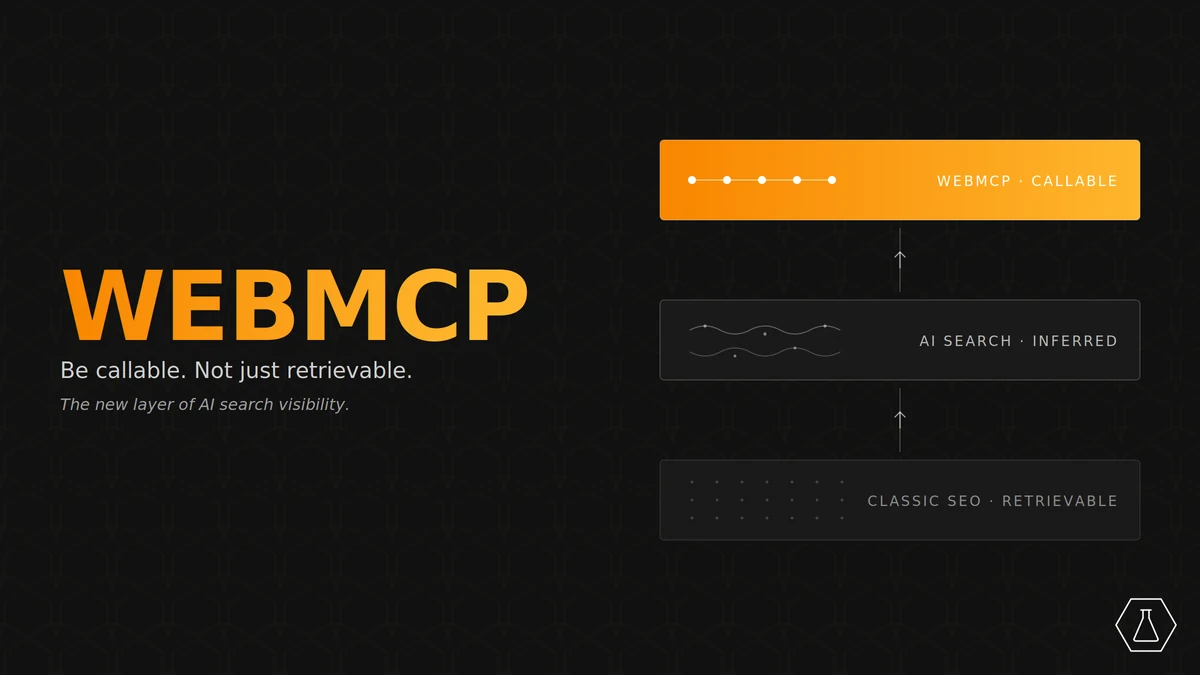
WebMCP for SEO: What It Means When AI Agents Call Your Site
AI search picks sources differently now. The old model was simple. Be retrievable. Make sure crawlers can find your content, build authority through links, structure your pages so they rank. That model still works. It’s no longer the only one operating. A second layer has shipped on top. AI agents can call your site directly, the same way a developer
May 27, 2026
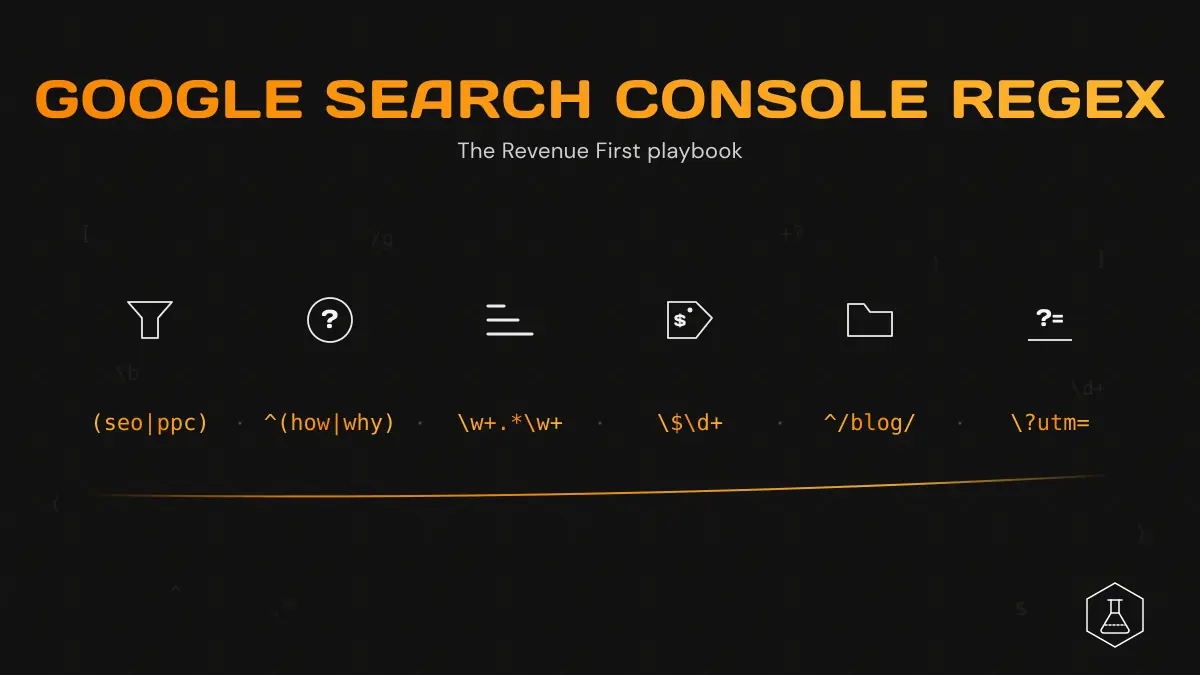
Google Search Console Regex: The Revenue First Playbook
Google Search Console regex isn’t just a syntax puzzle. Get the 6 patterns that earn their keep and the revenue moves they trigger.
May 27, 2026
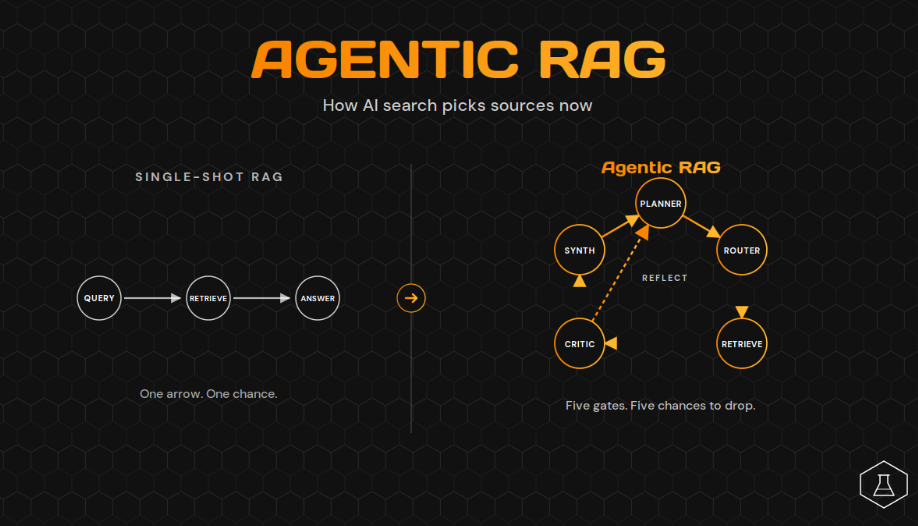
Agentic RAG: How AI Search Picks Sources Now
The retrieve-once-then-generate model that defined the first wave of AI search is over. Every major AI search platform has moved on. Google AI Mode, ChatGPT Search, Perplexity Pro Search, Claude with Computer Use, and the Microsoft Copilot agents all run a different architecture now. They plan. They route between tools. They retrieve, read, then retrieve again. They grade their own
May 22, 2026
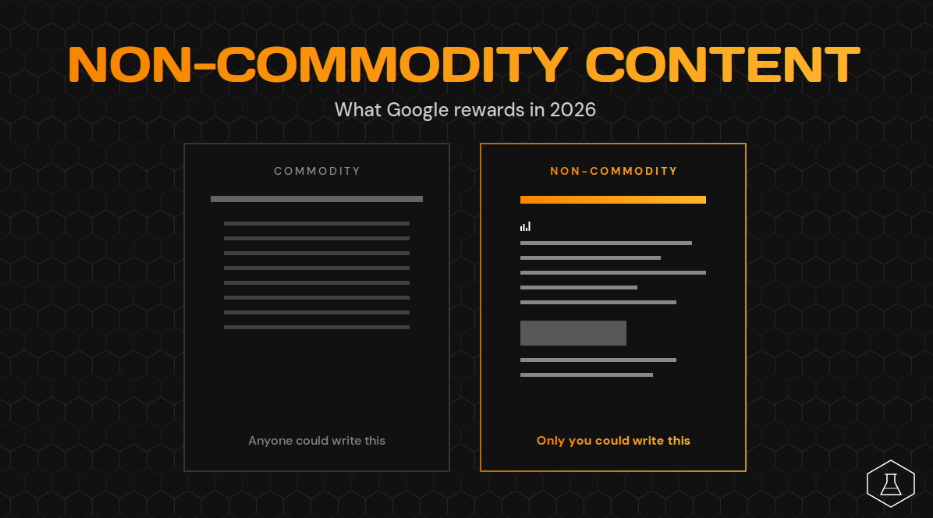
Non-Commodity Content
Google just gave the SEO industry a new term. Non-commodity content. Danny Sullivan introduced it at Search Central Live Toronto in April 2026, and Google’s updated AI Search guide put it in writing in May. The framing is sharp. Commodity content is anything someone with a content brief and an internet connection could write. Non-commodity content is the stuff only
May 20, 2026
Is AI Search Just SEO? The AlchemyLeads Take
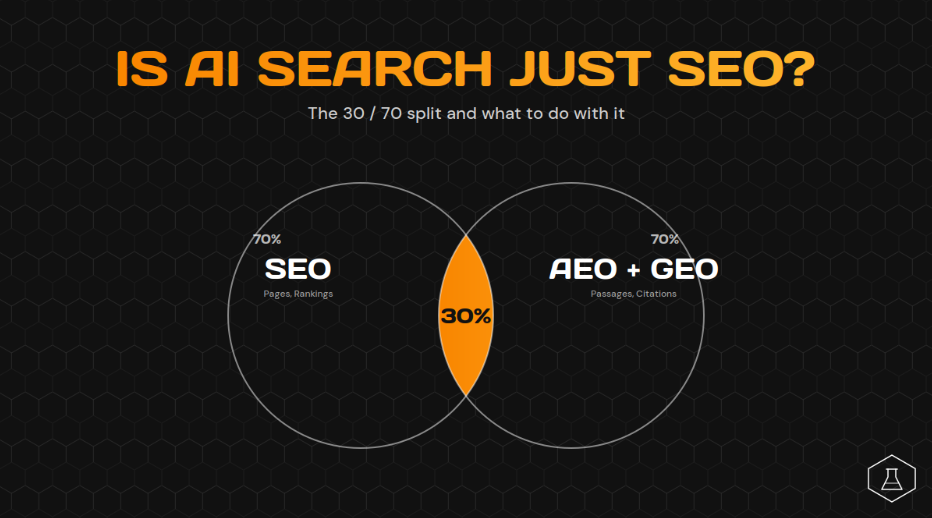
Is AI search just SEO? Half the industry says yes. The other half says no. Google says it’s all still SEO. Microsoft has been publishing posts that call it Generative Engine Optimization. Rand Fishkin at SparkToro pushes back on the new acronyms entirely. Two vendors have probably pitched you “GEO services” this quarter. Here’s the honest answer. Yes and no.
May 20, 2026
Contact us
We value your privacy and won't share your email with others.
We'll only contact you with curated content.
