
Ever wonder how your Facebook ad is doing? The answer comes down to understanding how Facebook ROAS works and the steps you can take to maximize your ad’s performance. But what about if Facebook Ads ROAS reporting is broken? What options are available? This is where using TACoS (Total Advertising Cost over Sale) as KPIs in Facebook paid ads comes into play.
How Facebook ROAS is Calculated
ROAS is a marketing metric that calculates the revenue generated from every dollar spent on marketing.
To calculate Facebook Ads ROAS, you need to divide revenue generated from ads by your total ad spend.
Facebook ROAS = Revenue from Facebook ads/ad Facebook ad costs.
For example, if you spend $1000 on ads and generate $4000 in revenue, your ROAS is:
ROAS = 4000 divided by 1000, which equals 4.
In such a case, you earned $4 for every $1 spent on ads.
Why Your Facebook ROAS Isn’t Giving Expected Results
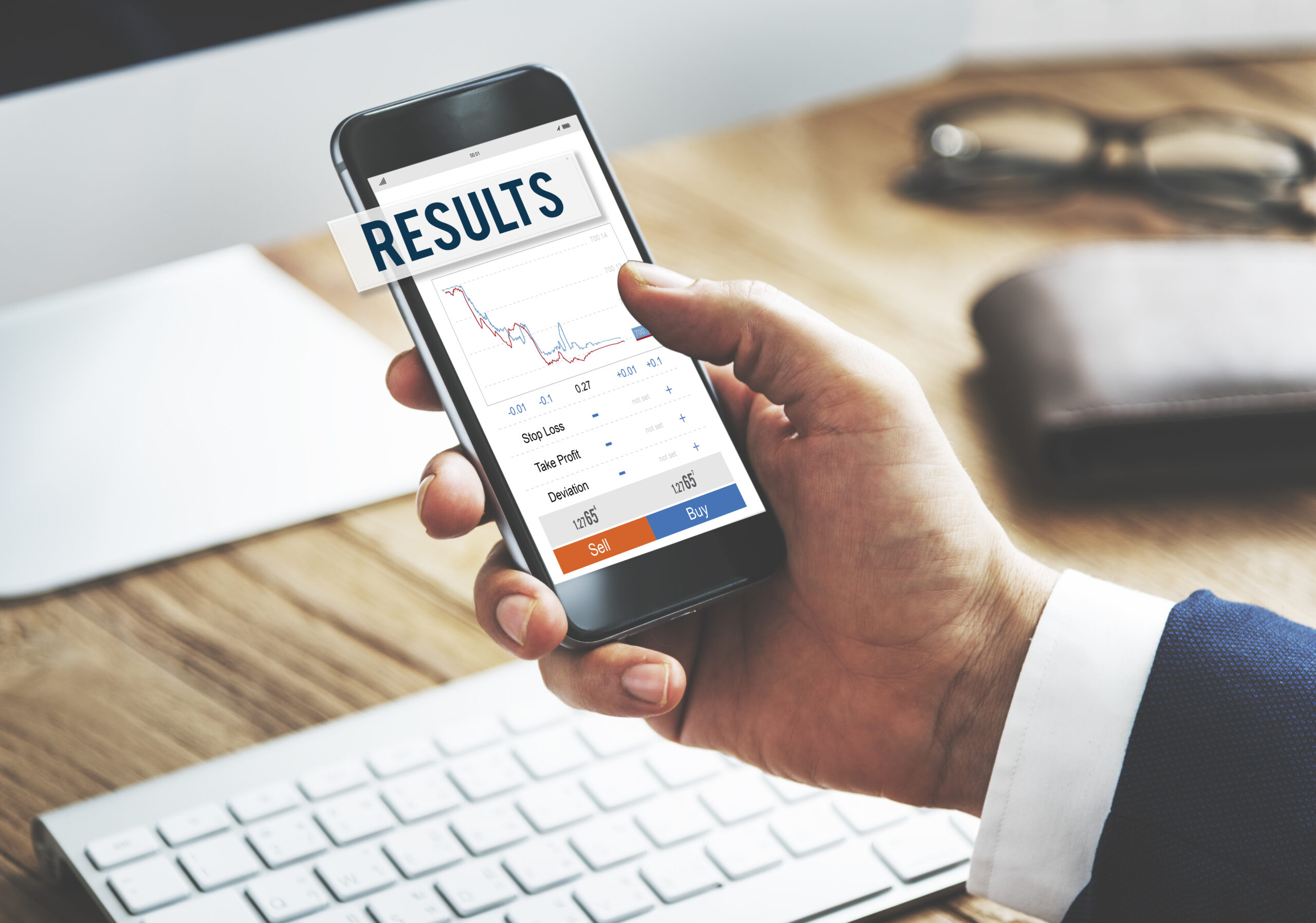
So you’ve set up your Facebook ad account, entered payment details, added Pixel to your website, and your ads are running. Now you’re expecting revenue to pour in, right?
Well, this isn’t always the case for most businesses. In fact, most brands report a ROAS of 0 to 1, and lucky ones see a paltry ROAS of 1 to 2.
There are many reasons leading to this, including:
Targeting the Wrong People
- Who is your target audience?
- Do you have personas?
- Do your personas reflect your actual clients?
- How are you reaching them?
To see positive results from your Facebook ads, ensure you target the right people (who will likely buy from you). Understanding your audience will help you know what they want, their pain points, demographics, and behavior. Once you know your audience, use the right methods to reach them (a mix of broad targeting and remarketing could work).
Wrong Messaging
Knowing your target audience is only the start; you should reach them with the right messaging. Your message should be clear on the following:
- Your offer
- Customer value
- The required action (convey your offer in a way that encourages clients to take action)
Wrong Timing
Timing will also determine the success of your B2B Facebook ad. Here are questions to ask yourself to ensure perfect timing:
- What is the position of your customer in your funnel?
- Where are the customers on a buying journey?
- What gadgets are they using to read your ad?
The Wrong Setup
Your Facebook ROAS can also be affected by technical aspects like CAPI and Facebook Pixel. These steps can help get things right:
- Properly track sales and send data to Facebook for reporting with Facebook Pixel
- Use Facebook Conversions API (CAPI) to be able to record on and off the web
- Create your ad sets to use conversion as the optimization event
- Set up secondary tracking methods like UTM parameters for Google Analytics
The Wrong Advertising Partner
Even if you do all of the above right, you are unlikely to see positive results if you work with the wrong partner. Choose a partner with a proven success track in Facebook ads and use meaningful benchmarks like conversions to measure success.
Limitations of Relying Only on Facebook ROAS
Here are the drawbacks of only relying on Facebook ROAS when running social media ads:
- Limited scope: ROAS only focuses on revenue that an individual campaign generates but ignores other meaningful metrics like clicks, impressions, conversions, etc. A campaign can have a high ROAS but be ineffective in driving engagement or generating leads.
- Inaccurate attribution: Facebook ROAS may not account for the entire customer journey, making businesses attribute sales to the wrong channels or campaigns.
- It doesn’t account for the cost of acquiring customers: ROAS focuses on the immediate revenue a campaign generates but ignores the cost of acquiring those customers. This can mean you can have a high ROAS but lose money if the cost of acquiring customers is higher than the campaign’s revenue.
- Short-term focus: Facebook ROAS doesn’t focus on long-term growth but on short-term gains. This can make businesses focus on short-term gains instead of long-term growth and sustainability.
- Ignores lifetime customer value: ROAS considers immediate revenue from a campaign but not the long-term value of the acquired customers. This can mean that a high ROAS can impact a business negatively in the long run if the long-term value of the customers acquired is lower than the cost of acquiring them.
Using TACoS as a KPI in Facebook Advertising
TACoS, or Total Advertising Cost of Sale, is a metric that eCommerce businesses use to assess the effectiveness of their overall marketing campaigns. It is a more detailed metric that enables businesses to measure the direct link between the ad spend and the generated revenue.
Luckily, you can use TACoS as a KPI for your Facebook ads. Specifically, TACoS allows you to assess all sales, including both organic and paid, giving you a more detailed picture of your business performance and the true impact of your advertising efforts.
The formula for calculating TACoS in Facebook advertising is as follows: advertising spend divided by total sales multiplied by 100.
TACoS = (Total Advertising Spend / Total Sales) * 100.
In this case, the total ad spend refers to the amount spent on all your advertising campaigns, while the total value refers to the organic and paid sales over a specific period.
TACoS vs. ACoS
ACoS is another common metric in eCommerce marketing. ACoS focuses on the revenue generated from a specific ad spend. In contrast, TACoS focuses on the relationship between the total ad spend (from different platforms) and total sales.
To calculate ACoS, divide ad spend by the ad revenue and multiply by 100.
ACoS = (ad spend/ad revenue) * 100
Why Use TACoS as a KPI in Facebook Advertising?
Wondering why you should choose TACoS over ROAS? Here are the reasons:
It Allows Track Long-Term Brand Growth
Since TACoS assesses both organic and paid ads, it can help track the overall health of your brand over time. A high TACoS means that your business is relying on paid advertising. On the other hand, a lower or decreased range indicates that the brand is gaining organic sales in addition to sales from paid ads, which is good for overall brand growth.
Holistic Performance Tracking
With TACoS, you can track a wider range of audiences and the impact of your Facebook advertising efforts. It helps evaluate your ad conversion rate and how your ad spend supports the overall growth of your business. TACoS helps assess organic sales, making it an effective metric for analyzing business growth and overall performance.
Long-Term Focus and Better Budget Allocation
Unlike ROAS, which focuses on immediate revenue generated from a specific ad campaign, TACoS focuses on the bigger picture—it considers how an ad spent today can contribute to the overall growth of the business.
Assess the Relationship Between Organic and Paid Ads
Usually, marketers run paid ads to maximize product visibility and drive immediate sales. TACoS goes further to calculate both organic and paid sales, which helps marketers and businesses get a clearer picture of how paid ads impact organic growth and long-term business growth.
Better Profit Analysis
Since TACoS considers sales from organic and paid ads, it provides a more improved method for profit analysis. A business with a low TACoS generates organic sales and drives potential traffic, improving brand visibility. Such insights give businesses a clearer understanding of the relationship between ad spend and organic growth potential.
How to Implement TACoS in Your Facebook Ads
Track Your Total Advertising Spend
Collect data from Facebook Ads Manager alongside other advertising platforms (TikTok, Google ads, etc.) and use it to calculate total ad spend. Focus on all advertising costs, including creative, agency fees, and expenses for managing campaigns.
Assess Total Sales (Not Just Sales from the Ad)
Calculate revenue from all sources, including both paid and organic sales. Tools like Google Analytics, Shopify, and CRM systems can help monitor total sales.
Calculate TACoS
Use the above data to calculate TACoS using this formula:
TACoS = (Total Advertising Spend / Total Sales) × 100
Compare the results with ROAS to understand the long-term impact of your ad spend. A higher TACoS may indicate you are over-relying on paid ads and there’s no organic sales growth. On the other hand, if TACoS is low and ROAS is strong, it indicates your ads have sustainable revenue growth potential.
Use Insights from TACoS to Optimize Ad Spend
Here are steps you can take to lower TACoS:
- Target high-performing audiences with your Facebook ads to get a higher ROAS
- Invest in content marketing, influencer collaborations, etc., to increase brand awareness and drive more organic sales
- Refine your retargeting strategies to boost customer retention
Conclusion
Facebook advertising is an excellent way to market your business and boost sales. However, you should understand what you should analyze/measure to get the best results from your marketing efforts.
A strong Facebook ROAS can be a great sign, but if the overall revenue isn’t growing proportionally, it’s best to try other metrics like TACoS to see whether you’re over-relying on paid ads.
TACoS will give you a clear picture of your business and provide insights on how your ads can drive immediate sales while building long-term, organic growth to ensure business sustainability.
Suggested

Our Ahrefs Health Score Went From 74 to 96. Here’s What Our AI SEO Agent Found.
Seven problems our AI SEO agent found on our own site, from leads GA4 never recorded to 195 pages linking through redirects, and how we fixed them.
October 8, 2026
How Our AI SEO Agent Cleared 1,186 Schema Errors in One Day
How our AI SEO agent and team took a Shopify store from 1,186 structured data errors, 12 404s and 155 broken links to zero in one day.
October 8, 2026

How to Integrate HubSpot and Tripleseat: Lessons From 9 Builds
A step-by-step guide to connecting HubSpot and Tripleseat: forms, OAuth 2.0, field and stage mapping, multiple locations, documents and monitoring, with real lessons from nine production integrations.
October 4, 2026
Answer-First Content: The Inverted Pyramid (∇) for AI Search
The inverted pyramid (∇) puts the answer first and the detail after. Here is how answer-first writing serves busy buyers and AI systems that quote short passages, with examples, common mistakes, and a checklist.
October 3, 2026
Retrieve-for-Train explained: how Google Research is speeding up AI search fan-out
Google Research’s Retrieve-for-Train method trains a small diffusion model to fan out search queries in one pass. Here is how it works, what it reports, where it stops, and our cautious read for brands.
October 3, 2026
Contact us
We value your privacy and won't share your email with others.
We'll only contact you with curated content.
