
Your website is the face of your business online. With more than 1.8 billion websites on the internet today, it can be challenging for your website to stand out from the rest.
However, with the right approach, your business can have a robust online presence and bring rank on the first page of search engine results pages (SERPs).
One mistake that most website owners and online marketers make is to consider Web design and SEO as two separate things.
But look at it this way. What good will it bring if your website has an attractive design, but no one can find it online?
That’s why you need to think about SEO when designing your website to ensure that it is not just attractive but also search engine friendly.
Here we look at website design and SEO and why they go hand in hand.
Let’s get started!
Why Is SEO Important for Your Website?
Millions of consumers rely on search engines when looking for services or products. No matter the type of products your business offers, your potential customers are likely looking for those products on Google and other search engines.
The best and easiest way to improve your website’s organic traffic is by having an excellent search engine optimization strategy.
Here are the tops reasons why you need good SEO for your website:
- SEO optimization will earn your website more traffic. Good SEO will help improve your ranking in search results and attract more traffic to your website. You can then convert that traffic into customers to increase your revenue.
- Most internet users are likely to click on one of the top results on search engine results pages (SERPS). That means you have a better chance of increasing your conversions if your website appears among top positions.
- SEO doesn’t involve paying for ad space. Unlike traditional ad campaigns that require businesses to pay for the location they want their ad to appear, SEO doesn’t require you to pay for ranking. That’s why you need to invest your time and money to create valuable pages that can rank in top search engine results pages to improve your organic traffic.
- Good SEO can help improve the social promotion of your website. Users who find your website on search engines like Google and Bing are likely to share your website on Twitter, Facebook, and other social platforms.
- SEO can help boost your authority and credibility. Users trust search engines, and if your website is ranking for the keywords they are looking for, it will increase your website’s trust.
- Having a robust SEO strategy will help you stand out from the competition. Many other websites sell the same products as yours, and websites with a good SEO will get more traffic and increase sales.
Why Does Website Design Matter as Much as SEO?
The website design of your company is just as important as SEO. Website design can either break or build your website.
Your website is the first thing people will see when they view your website. If you have an attractive web design and great functionality, visitors are likely to stay longer on your website, which increases the chances of converting them into paying clients.
Here are top reasons why website design matters just like SEO:
- It creates the first impression
- It can help boost your search engine optimization (SEO) strategy
- It determines the quality of customer experience
- A great website design helps build trust with your audience
- It creates consistency and professionalism
5 Ways Website Design and SEO Collaborate
Although you might lean more towards SEO than design, both work together. When you use good SEO techniques on your website, you will improve your traffic flow and have a robust online presence.
But users are also concerned about the experience they get when they visit your website. If your website has a bad user experience, the chances of converting your visitors to customers are slim.
After all, users are likely to leave a website that isn’t user-friendly and move to another website offering the same services or products.
To that end, here are the elements that make web design and SEO work together.
Website Speed
Nothing can turn off a visitor from your website like a website with a slow page loading speed. In most cases, your web design could be slowing your page loading speed.
A slow-loading website can increase your bounce rate, which will ultimately hurt your SEO. After all, page speed is a primary ranking signal and will determine how your pages rank on search engines.
Some of the steps you can take to speed up your site include:
- Optimize images
- Allow browser caching
- Remove unnecessary plugins
- Enable compression
- Reduce redirects
- Improve server response time
Most internet users are not willing to wait for a slow website to load. Ideally, users are likely to abandon your website if it takes more than two seconds to load.
Not just users, Google takes page speed very seriously. Ideally, your website speed will determine Google’s ability to crawl it. If your page speed is slow, Google will crawl fewer pages, meaning most of your pages won’t get indexed.
And you know what that means? These pages won’t have any chances of ranking on top of search engine results pages.
Mobile-Friendliness
The number of internet users browsing sites on smartphones and other mobile devices is increasing rapidly. If you want to see a good ROI from your SEO efforts, you should make your site mobile-friendly.
Having a mobile-friendly site will provide a better user experience and increase your chances of ranking among the top search engine page results since mobile-friendliness is among Google’s top-ranking signals.
The best approach towards having a mobile-friendly site is to have a responsive web design, which allows your website to be accessible on all devices and browsers.
Having a responsive design will also help eliminate the potential for duplicate content, which is a common concern, especially if you have a separate mobile site.
Readability
Most people focus more on content when trying to improve their SEO ranking. While there’s nothing wrong with that, it should not be at the expense of your website design.
Your website design has a considerable impact on your content. If your website has a poor design, users will find it challenging to do what they came to do on your website and probably leave your website for another.
Having a block of content on your website or unnecessary hyperlinks will drive your audience away. This will significantly impact your SEO efforts and lead to little-to-no conversions of the people who visit your website.
If users can’t easily find what they are looking for on your website, your website won’t serve its purpose.
Websites with hard-to-read fonts or not mobile-friendly are a red flag for most users. Talk to your website designer to ensure that they create a site that makes it easier for users to see what they are looking for on your website, increasing your chances of converting them to customers.
You should also optimize your images for SEO when uploading them to help search engines understand your site better.

User-Friendliness
Another important thing you need to keep in mind when designing your website for SEO is user experience.
The navigation forms a vital component of an excellent user experience. Make it simple to ensure that users can see what they are looking for on your site with ease.
Clear and simple navigation will also reduce the chances of people leaving your site due to confusion, reducing bounce rate and improving your ranking.
Other factors you need to consider to improve the usability of your site include:
- Site search. Ensure your site has a functional search option
- Page layout. Make sure your essential elements have more dominance
- Entry form. Ensure users can fill the forms with ease
- Visual hierarchy. Ensure the vital features on your website are bigger so users can see them easily
- Design. Ensure you have an attractive and functional design
Of course, you need to customize these things according to your site to make your website more user-friendly.
Image Optimization
As earlier stated, your website designer should optimize your images for SEO when designing your website. Among other things, here are the top things that your designer must think about when optimizing your images for SEO:
Image Size
Larger image files can slow down your page load speed, which will negatively impact your website’s user experience, increase bounce rate, and reduce rankings. Ask your designer to keep your files as small as possible to reduce your page load time.
File Names
Giving your images descriptive and logical names helps search engines understand your images and put them into context. Of course, giving your file names will require more time and work, but the reward that comes with it is worthwhile.
Alt Tags
Optimizing your images for alt tags is also a great SEO practice. Alt tags allow search engines to understand the images. They also allow users to see more information about the images when they place a mouse over an image.
Besides, alt tags help visually impaired users understand your images and help improve performance.
SEO and Web Design Go Together
As you have seen, SEO and website design collaborate in many different ways. For your business to succeed, attract more customers, and generate more revenue, you shouldn’t ignore any of them.
SEO web design will help improve your search engine position ranking, meaning your website will become more visible when people search for something you offer on the internet.
However, getting an SEO web design for your business is easier said than done. Without the right skills and expertise, you will end up not getting the results that you want.
That’s why you need to let a reputable digital marketing company like AlchemyLeads handle your web design and SEO elements.
SEO nerds and web design experts at AlchemyLeads will help create an SEO web design website that will not just help you get traffic but attract valuable traffic.
We understand the features, style elements, widgets, imagery, and text that can appeal to your target customers and will apply the skills when building or redesigning your website.
We understand that user experience determines your SEO rankings. Because of that, we make your users a priority when designing your SEO website design to ensure your website is more user-friendly.
Suppose you are looking to increase your business sales and want an excellent SEO website design to catapult your business growth efforts. In that case, AlchemyLeads is your go-to digital marketing agency.
At AlchemyLeads, we design an attractive yet easy-to-use SEO-optimized website that search engines and users will love.
Ready to get started, please contact us by filling the form below, and our representatives will get back to you as soon as possible.
Suggested
Our Ahrefs Health Score Went From 74 to 96. Here’s What Our AI SEO Agent Found.
Seven problems our AI SEO agent found on our own site, from leads GA4 never recorded to 195 pages linking through redirects, and how we fixed them.
October 8, 2026
How Our AI SEO Agent Cleared 1,186 Schema Errors in One Day
How our AI SEO agent and team took a Shopify store from 1,186 structured data errors, 12 404s and 155 broken links to zero in one day.
October 8, 2026

How to Integrate HubSpot and Tripleseat: Lessons From 9 Builds
A step-by-step guide to connecting HubSpot and Tripleseat: forms, OAuth 2.0, field and stage mapping, multiple locations, documents and monitoring, with real lessons from nine production integrations.
October 4, 2026
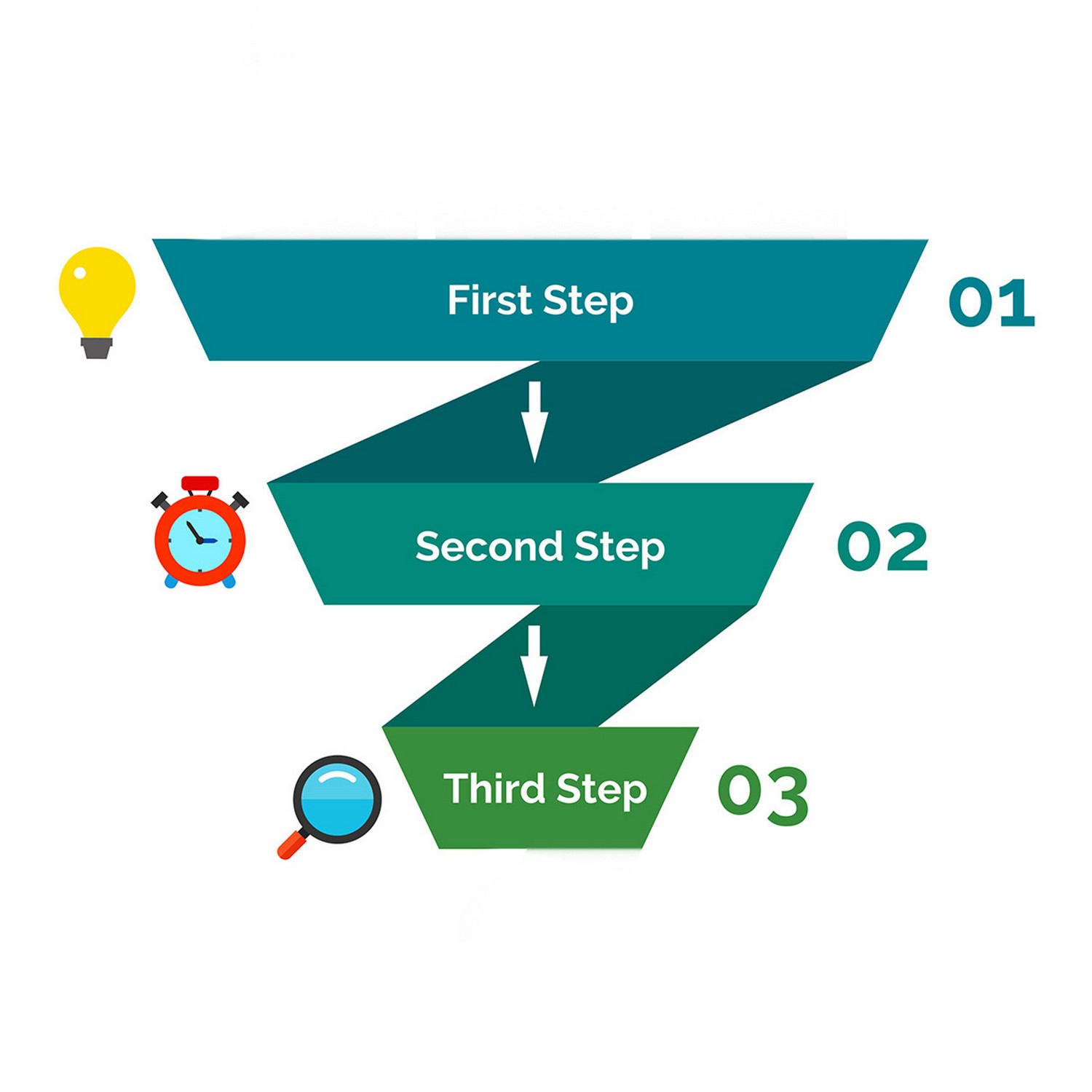
Answer-First Content: The Inverted Pyramid (∇) for AI Search
The inverted pyramid (∇) puts the answer first and the detail after. Here is how answer-first writing serves busy buyers and AI systems that quote short passages, with examples, common mistakes, and a checklist.
October 3, 2026

Retrieve-for-Train explained: how Google Research is speeding up AI search fan-out
Google Research’s Retrieve-for-Train method trains a small diffusion model to fan out search queries in one pass. Here is how it works, what it reports, where it stops, and our cautious read for brands.
October 3, 2026
Contact us
We value your privacy and won't share your email with others.
We'll only contact you with curated content.
