
Direct Traffic is usually the traffic source that shows up with the most traffic-acquisition share in your overall acquisition mix.
So what exactly is, “Direct Traffic?”
To most internet marketers, the rationale behind Direct Traffic is that someone typed in a domain name (like exampledomain.com) directly into their browser or they used a bookmark or used a kind of Google Extension within their web browser to directly access the site; in both of these cases: www.exampledomain.com should have received some minor Traffic attributed in most “Direct Traffic”
But be advised: Direct also includes a much broader pool of traffic, far beyond those two instances.
At the fundamental level, “Direct” sessions occur in any scenario where Google Analytics cannot determine another traffic referrer. Other instances of when Google would funnel your traffic into the “Direct” segment would include:
- Clicking on a link from an email (depending on the email provider/program)
- Clicking on a link from a Microsoft Office or PDF document
- Accessing the site from a shortened URL (depending on the URL shortener)
- Clicking a link from Mobile social media apps like Facebook or Twitter.
- Phone apps often do not pass referrer information.
- Going to a non-secure (http) site from a link on a secure (https) site, as the secure site won’t pass a referrer to the non-secure site. For instance, if someone clicks a link on https://example.com to go to http://example2.com, the analytics for example2.com will show the session as direct.
- Accessing a site from organic search, in certain scenarios, organic search traffic will end up being reported as Direct; partly due to browser issues.
An experiment conducted by Groupon showed as much as 60% of direct traffic may be from organic search.
Based on the points above, Direct traffic can truly encompass a wide array of traffic acquisition sources, including some of those that you surely would have liked to be able to do more in-depth reporting on within your Google Analytics.
Luckily, although you won’t be able to salvage the specific acquisition for ALL of the traffic pooled into the Direct segment, you will be able to take measures to make certain that you can accurately track as much multi-source traffic as possible going forward.
Having reviewed some of the downfalls of campaign attribution, here are some simple guidelines you can follow to find the truth behind direct and/or bookmarked traffic:
- Define a naming convention for your tracking codes and always include, the campaign medium in your tracking code parameter.
-
-
-
-
- For instance, “Top 20 PPC Agencies in Los Angeles” for paid search, “DSP” for display advertising, “TV” for television, etc.
-
-
-
-

Examples of strong campaign tracking codes:
- Google Analytics: https://alchemyleads.com/Nexus/4/?utm_source=LinkedIn&utm_medium=+article&utm_content=direct+analytics+article&utm_campaign=test
If you make sure to abide by the above guidelines, you won’t just disparage your previous perception of total “direct” or “bookmarked” traffic, but you will also be able to build a solid case for your data’s validity; to make sure your ROI calculations are as accurate as possible with your upper-level executives or your high-value clients.
Explaining The Variation of ‘Direct Traffic’ to Clients
- If Direct Traffic is on an increasing trend, how would most internet marketers go about explaining this segment of traffic acquisition to clients? Many of the marketers I know would react by just simply explaining the notion effortlessly by saying, “X amount of users typed in your URL to get directly to your website!”
- But now we know, it is not that simple; in fact, the Truth Behind Direct Traffic is beneficial to our efforts as digital marketers.
- Being as transparent and honest about the simple fact that traffic data from any number of different sources could find their way into Google’s Direct bucket.
- Be sure to keep your client in the know by conveying to them all of the various scenarios that could result in the Direct Traffic segment; traffic situations like certain types of email links, organic search visits, or links from https secured websites.
From one perspective this could be a bit frustrating considering that the “Direct” Traffic segment should, in a perfect world, represent exactly the type of “Direct” traffic source that marketers would assume. However, by being ahead of the curve in terms of your Google Analytics understanding, this knowledge can play to your advantage in many campaigns, especially your Search Engine Optimization campaigns, illustrating to your clients that their websites have likely received more organic search traffic than Google Analytics shows.
Error: Contact form not found.
Suggested
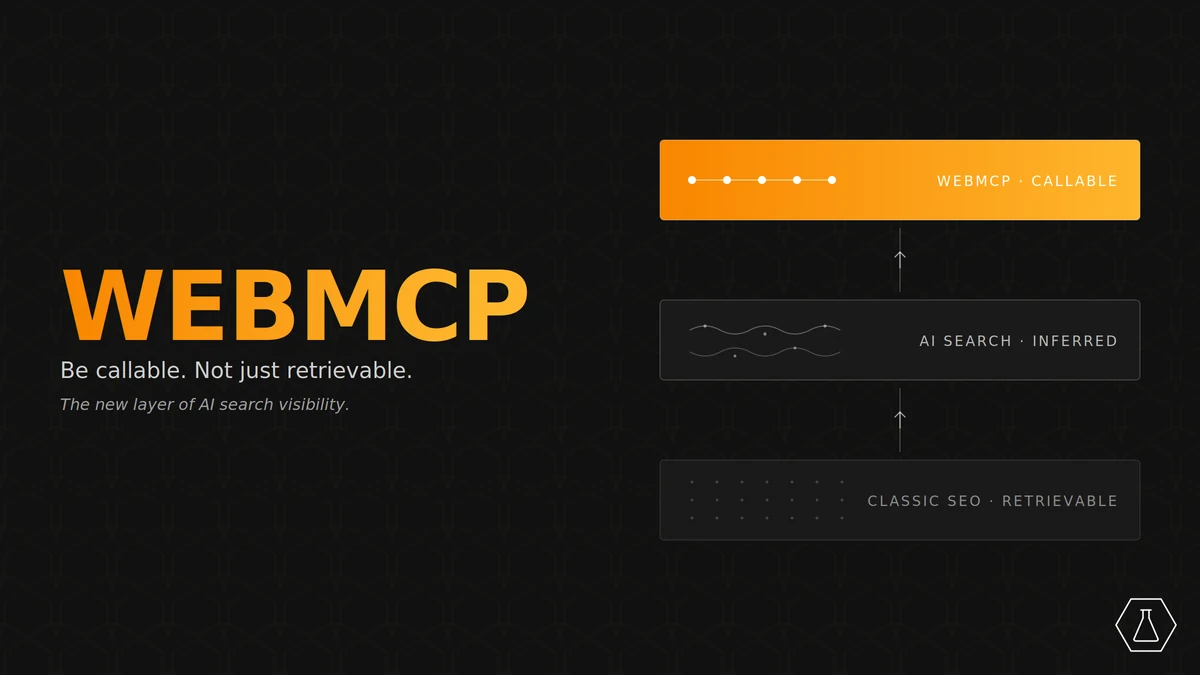
WebMCP for SEO: What It Means When AI Agents Call Your Site
AI search picks sources differently now. The old model was simple. Be retrievable. Make sure crawlers can find your content, build authority through links, structure your pages so they rank. That model still works. It’s no longer the only one operating. A second layer has shipped on top. AI agents can call your site directly, the same way a developer
May 27, 2026
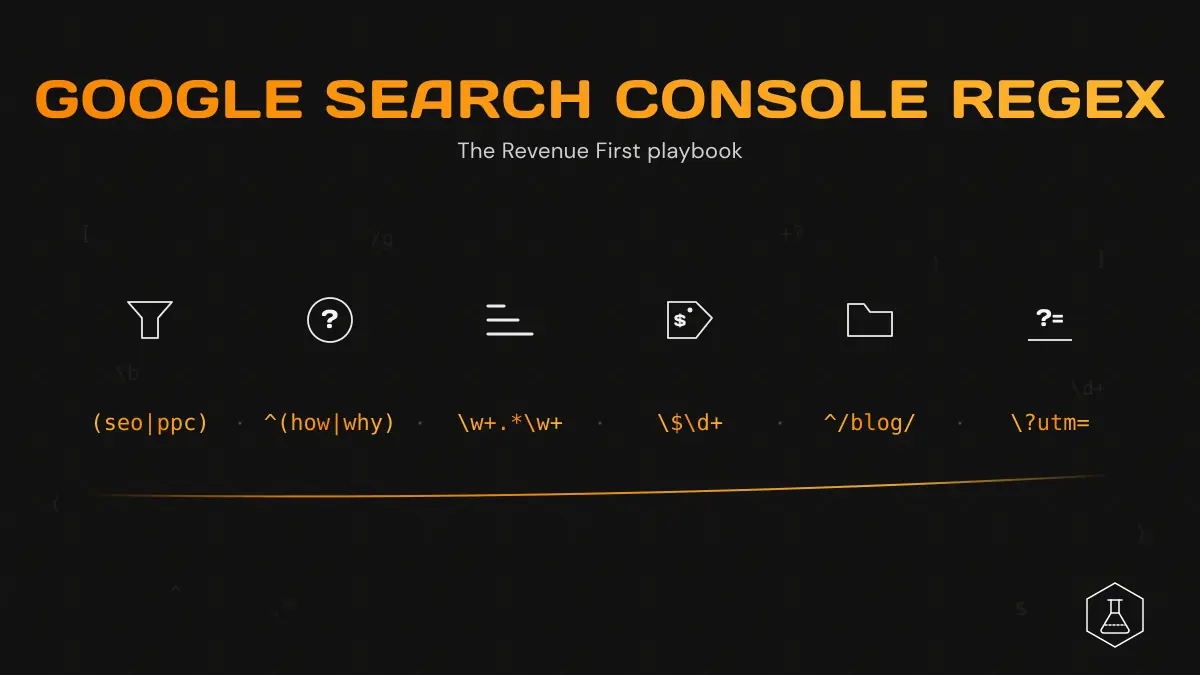
Google Search Console Regex: The Revenue First Playbook
Google Search Console regex isn’t just a syntax puzzle. Get the 6 patterns that earn their keep and the revenue moves they trigger.
May 27, 2026
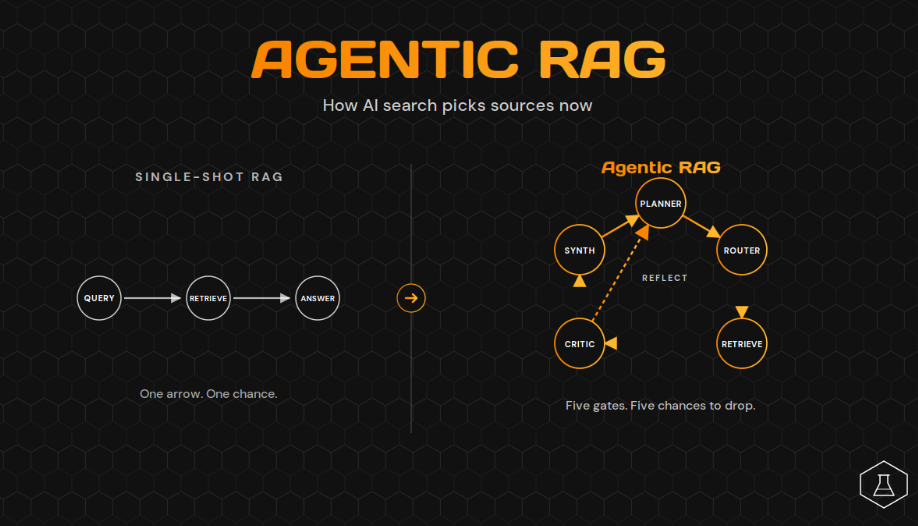
Agentic RAG: How AI Search Picks Sources Now
The retrieve-once-then-generate model that defined the first wave of AI search is over. Every major AI search platform has moved on. Google AI Mode, ChatGPT Search, Perplexity Pro Search, Claude with Computer Use, and the Microsoft Copilot agents all run a different architecture now. They plan. They route between tools. They retrieve, read, then retrieve again. They grade their own
May 22, 2026
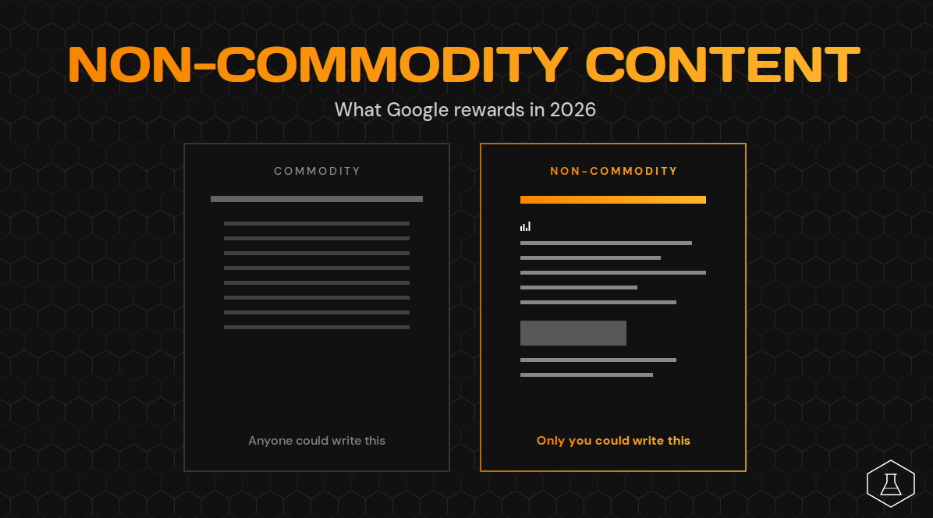
Non-Commodity Content
Google just gave the SEO industry a new term. Non-commodity content. Danny Sullivan introduced it at Search Central Live Toronto in April 2026, and Google’s updated AI Search guide put it in writing in May. The framing is sharp. Commodity content is anything someone with a content brief and an internet connection could write. Non-commodity content is the stuff only
May 20, 2026
Is AI Search Just SEO? The AlchemyLeads Take
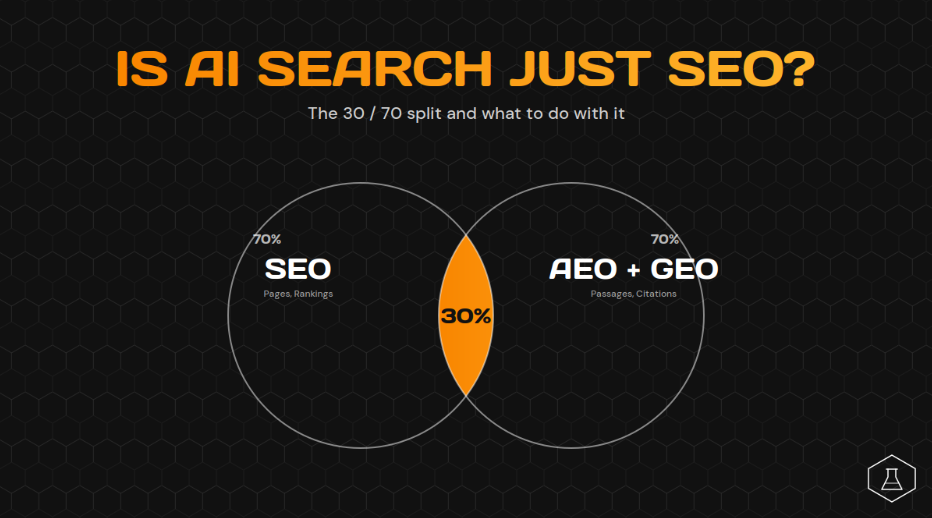
Is AI search just SEO? Half the industry says yes. The other half says no. Google says it’s all still SEO. Microsoft has been publishing posts that call it Generative Engine Optimization. Rand Fishkin at SparkToro pushes back on the new acronyms entirely. Two vendors have probably pitched you “GEO services” this quarter. Here’s the honest answer. Yes and no.
May 20, 2026
Contact us
We value your privacy and won't share your email with others.
We'll only contact you with curated content.
